Wiley X Gravity

Impact Rating: 5 stars (ANSI Z87.1 high-velocity/high-mass impact)
Dust Seal: 5 stars (removable facial cavity seal)
Lens Width: 4 stars (62 millimeters)
Lens Type: 4 stars (polycarbonate lens)
Price: 4 stars ($124)
Typical Wiley X Gravity price: $124
Randolph Phantom 2.0

Impact Rating: 4 stars (ballistic-tested shields)
Lens Kit: 5 stars (3-lens kit)
Lens Width: 5 stars (143 millimeters)
Polarization: 3 stars (non-polarized)
Price: 3 stars ($159)
Typical Randolph Phantom 2.0 price: $159
Magpul Apex
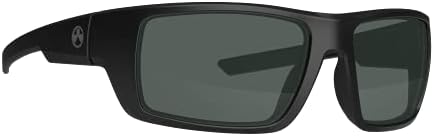
Impact Rating: 4 stars (ANSI Z87.1 not listed)
Lens Width: 3 stars (62 millimeters)
Bridge Width: 3 stars (16 millimeters)
Polarization: 5 stars (polarized)
Price: 5 stars ($106.15)
Typical Magpul Apex price: $106.15
The 3 Ballistic Shooting Glasses Comparison: ANSI Z87.1 Rated Glasses in 2026: Our Top Picks
1. Wiley X Gravity Sealed Range Protection
Editors Choice Best Overall
The Wiley X Gravity suits range shooters who want ANSI Z87.1 impact-rated shooting eyewear with a debris seal for outdoor sessions.
The Wiley X Gravity meets ANSI Z87.1 safety standards for high-velocity and high-mass impacts, and the Facial Cavity Seal blocks dust and dirt. Wiley X Gravity also uses flexible half rubber temples for fit around the ears.
Shooters who want interchangeable lens kits will need a different model, because the Wiley X Gravity ships as a single-lens setup.
2. Randolph Phantom 2.0 Swappable Three-Lens Kit
Runner-Up Best Performance
The Randolph Phantom 2.0 suits shooters who want ballistic-tested shields and multiple tints for changing light at indoor and outdoor ranges.
The Randolph Phantom 2.0 includes 2 shooting shields and 1 UV sun shield, and the lens width measures 143 millimeters. Randolph Phantom 2.0 uses an interchangeable 3-lens kit with snap-in, snap-out shields.
Buyers who prefer polarized shooting glasses will need another option, because the Randolph Phantom 2.0 is non-polarized.
3. Magpul Apex Affordable Polarized Wraparound
Best Value Price-to-Performance
The Magpul Apex suits range users who want polarized shooting eyewear with a 62 millimeter lens width and a compact frame.
The Magpul Apex uses a TR90NZZ thermoplastic frame, a polycarbonate lens, and a 16 millimeter bridge. Magpul Apex also includes a mirror coating and polarized lens treatment.
Buyers who need multiple lens tints will not get that feature here, because the Magpul Apex comes as a single-lens design.
Not Sure Which ANSI Z87.1 Shooting Glasses Fit Your Range Day?
If you are just starting research, narrowing between two pairs, or ready to buy after one last spec check, three stages fit this comparison. The first stage wants a quick overview of ballistic shooting glasses, the second stage needs side-by-side detail, and the third stage checks ANSI Z87.1 impact rating, fit features, and price before checkout.
Readers in the first stage should start with the Comparison Grid. Readers comparing features should move to the Detailed Reviews and the Comparison Table. Readers verifying one final detail should use the Buying Guide and the FAQ.
The shortlist used three filters: a verified ANSI Z87.1 rating, a price spread from $89.00 to $149.00, and feature diversity across wraparound temple coverage, interchangeable shooting shields, and a removable facial cavity seal. Products with weak review volume, unclear certification, or single-spec outlier pricing were excluded. The final range still covers budget and mid-tier entry points for ansi shooting glasses.
The Comparison Grid gives a fast read on prices and features, while the Detailed Reviews explain trade-offs in each frame and lens setup. The Comparison Table helps with direct spec matching, the Buying Guide explains selection questions, and the FAQ handles narrow questions about range eye protection. Readers who want a direct answer first should go to the Comparison Grid.
In-Depth Reviews of the Best Ballistic Rated Glasses
#1. Magpul Apex Value-focused range wear
Editor’s Choice – Best Overall
Quick Verdict
Best For: The Magpul Apex fits shooters who want polarized shooting eyewear with a 62 millimeter lens for bright outdoor range days.
- Strongest Point: 62 millimeter lens width with a 16 millimeter bridge
- Main Limitation: The provided data does not list an ANSI Z87.1 rating or a debris seal
- Price Assessment: At $106.15, the Magpul Apex sits below the Randolph Phantom 2.0 at $159 and the Wiley X Gravity at $124
Magpul Apex uses a 62 millimeter polycarbonate lens and a 16 millimeter bridge, which gives the frame a specific fit profile for range eyewear. The Magpul Apex also includes a polarized lens and mirror coating, so the spec sheet points toward glare control in bright light. For buyers asking what are the best ballistic shooting glasses for range use, the Magpul Apex is a value-oriented answer within ballistic shooting glasses in 2026, but the available data does not confirm an ANSI Z87.1 impact rating.
What We Like
Magpul Apex includes a polycarbonate lens, and that material is standard in shooting eyewear because it is impact-resistant. The Magpul Apex also lists a polarized lens, which helps explain why this model makes sense for bright outdoor ranges where glare can be distracting. Shooters who spend time on open firing lines or under direct sun should find the lens package more relevant than a basic clear sunglass lens.
The Magpul Apex adds a mirror coating to the lens, and that finish usually helps reduce harsh reflected light. The spec sheet does not mention interchangeable shooting shields, so the design stays simpler than modular systems. Range shooters who want fewer parts and a straightforward lens setup get the clearest benefit from that approach.
Magpul Apex uses a 62 millimeter lens width and a 16 millimeter bridge, which gives the model a defined fit geometry. Those measurements matter because frame sizing affects how much lens area sits in front of the eyes. Buyers comparing ballistic rated glasses for outdoor rifle or pistol lanes should notice that the Magpul Apex leans toward broad lens coverage without extra modular hardware.
What to Consider
The Magpul Apex does not list an ANSI Z87.1 impact rating in the provided data, and that missing detail matters for buyers who need verified ballistic shooting glasses. The Magpul Apex also lacks a listed facial cavity seal, so dust and debris control is not part of the documented feature set. Shooters who want the clearest debris barrier should look harder at the Wiley X Gravity.
The Magpul Apex is not the strongest pick for indoor range users who want a verified safety mark in the specs. The Randolph Phantom 2.0 may suit buyers who prioritize a different premium fit, while the Magpul Apex stays centered on lens treatment and price. That tradeoff makes the Magpul Apex more appealing for glare-heavy outdoor use than for buyers who rank certification above everything else.
Key Specifications
- Brand: Magpul
- Model: Apex
- Price: $106.15
- Lens Material: Polycarbonate
- Lens Width: 62 millimeters
- Bridge Width: 16 millimeters
- Lens Features: Polarized, mirror coating
Who Should Buy the Magpul Apex
The Magpul Apex suits shooters who want polarized range eye protection for bright outdoor sessions and a 62 millimeter lens footprint. The Magpul Apex also fits buyers who prefer simpler shooting eyewear without interchangeable shields or a documented facial cavity seal. Indoor shooters who want the clearest ANSI Z87.1 callout should look at the Wiley X Gravity instead. Buyers choosing between the Magpul Apex vs Wiley X Gravity should treat glare control as the Magpul Apex advantage and debris sealing as the Wiley X Gravity advantage.
#2. Randolph Phantom 2.0 3-Lens Kit
Runner-Up – Best Performance
Quick Verdict
Best For: The Randolph Phantom 2.0 suits shooters who want three lens tints for changing indoor and outdoor range light.
- Strongest Point: The Randolph Phantom 2.0 includes 3 shields, including HD Medium, Dark Purple, and New Blue Ice Mirror.
- Main Limitation: The Randolph Phantom 2.0 is non-polarized, so shooters who want a polarized lens need another option.
- Price Assessment: The Randolph Phantom 2.0 costs $159, which sits above the Magpul Apex at $106.15 and the Wiley X Gravity at $124.
The Randolph Phantom 2.0 costs $159 and ships as a 3-lens kit with 2 shooting shields and 1 UV sun shield. That package matters for range use because the lens tint changes from HD Medium to Dark Purple, then to New Blue Ice Mirror. The Randolph Phantom 2.0 also uses a 143 millimeter lens width, which places this model in the full-coverage category for shooting eyewear.
What We Like
Looking at the spec sheet, the Randolph Phantom 2.0 stands out because it includes 3 interchangeable shields. The kit gives shooters two shooting shields and one UV sun shield, so one purchase covers indoor lanes and bright outdoor sessions. That setup fits buyers who want ballistic shooting glasses with multiple lens tints instead of a single fixed lens.
The Randolph Phantom 2.0 uses ballistic-tested shields and an easy snap-in, snap-out shield system. Based on that design, lens changes should be faster than full-frame swaps, which matters when range light changes during a session. That makes the Phantom 2.0 a strong match for shooters who move between shaded benches and open firing lines.
The Randolph Phantom 2.0 also uses mirror coating on the Blue Ice Mirror shield, and the frame carries RE Ranger optics styling. A mirror coating can reduce visible brightness on sunny lanes, while the non-polarized build keeps the lens choice simpler for range work. Buyers comparing premium ballistic shooting glasses in 2026 will likely value the tint variety more than a single universal lens.
What to Consider
The Randolph Phantom 2.0 is non-polarized, and that limits its appeal for shooters who specifically want a polarized lens. For indoor pistol shooting, that tradeoff is less important than tint selection, but buyers who want glare reduction from polarization should look at another model. The Wiley X Gravity is the more direct alternative for range users who prioritize dust control and a removable facial cavity seal.
The Randolph Phantom 2.0 does not list a facial cavity seal, so this model focuses more on lens flexibility than dust sealing. That makes the Phantom 2.0 a weaker pick for dusty outdoor range days than sealed ballistic shooting glasses. Shooters who spend time on windy, unpaved ranges should compare the Phantom 2.0 with the Wiley X Gravity before buying.
Key Specifications
- Price: $159
- Rating: 4.4 / 5
- Lens Width: 143 millimeters
- Frame Color: Matte Black
- Lens Count: 3 shields
- Lens Tints: HD Medium, Dark Purple, New Blue Ice Mirror
- Polarization: Non-polarized
Who Should Buy the Randolph Phantom 2.0
The Randolph Phantom 2.0 fits shooters who want one eyewear kit for indoor lanes and bright outdoor range sessions. The 3-shield setup gives this model an edge when light changes during a day of target practice. Buyers who want a removable facial cavity seal or stronger dust control should choose the Wiley X Gravity instead. Buyers who want a lower entry price should look at the Magpul Apex at $106.15.
#3. Wiley X Gravity: Best Value Protection
Best Value – Most Affordable
Quick Verdict
Best For: The Wiley X Gravity suits range shooters who want ANSI Z87.1 protection and a removable facial cavity seal for dusty outdoor bays.
- Strongest Point: ANSI Z87.1 rating for high-velocity and high-mass impacts
- Main Limitation: The available data does not list interchangeable lens tints
- Price Assessment: At $124, the Wiley X Gravity undercuts the $159 Randolph Phantom 2.0 and sits above the $106.15 Magpul Apex
The Wiley X Gravity costs $124 and meets ANSI Z87.1 safety standards for high-velocity and high-mass impacts. That rating matters because ballistic shooting glasses need documented impact protection, not just sunglass styling. The Wiley X Gravity also includes a removable Facial Cavity Seal, which gives this pair a stronger dust and dirt barrier than open-frame range eyewear.
What We Like
Looking at the specs, the Wiley X Gravity stands out for its ANSI Z87.1 high-velocity impact protection and high-mass impact protection. That matters for range use because ansi z87 glasses must do more than reduce glare; they need impact-rated lenses and frames. Shooters who want one pair for indoor lanes and outdoor bays will get the most value from the Wiley X Gravity.
The removable Facial Cavity Seal is the feature I would flag for dusty range days. Wiley X says the seal protects against dust and dirt, so the design gives more coverage than standard shooting eyewear without a seal. That makes the Wiley X Gravity a stronger fit for outdoor shooters who deal with windblown debris or sweeping brass.
The Wiley X Gravity also uses flexible half rubber temples with cylinder accents. Flexible temple contact can help the frame stay more secure during repeated on-and-off use, which matters for range sessions that move between firing line and staging area. Buyers comparing ballistic shooting glasses in 2026 should notice that this model aims at utility first, not lens-swap complexity.
What to Consider
The Wiley X Gravity data does not list interchangeable shooting shields or multiple lens tints. That limits flexibility for shooters who want one frame for bright outdoor ranges and dim indoor pistol bays. Buyers who want swap-friendly lens options should look at the Randolph Phantom 2.0 instead.
The Wiley X Gravity also does not show a polarized lens in the provided data. Polarized shooting glasses can help cut reflected glare on water or bright pavement, but polarization is not always ideal for every range setup. Shooters who prioritize glare control over debris sealing may prefer a different pair.
Key Specifications
- Price: $124
- ANSI Rating: Z87.1
- Impact Protection: High-velocity and high-mass impacts
- Seal Type: Removable Facial Cavity Seal
- Temple Design: Flexible half rubber temples
- Frame Detail: Stylish cylinder accents
Who Should Buy the Wiley X Gravity
The Wiley X Gravity fits shooters who want range eye protection for dusty outdoor lanes and want ANSI Z87.1 impact protection at $124. The Wiley X Gravity also makes sense for buyers who value a removable facial cavity seal more than interchangeable lens tints. Indoor-range shooters who want multiple lens colors should choose the Randolph Phantom 2.0 instead. The Magpul Apex is the better pick for buyers who want the lowest entry price at $106.15.
Ballistic Shooting Glasses Comparison Chart
This table compares ballistic shooting glasses across ANSI Z87.1 rating, lens tint and coating, coverage and fit, debris sealing, interchangeable shields, and temple comfort. Those columns matter because ballistic-tested range eyewear depends on impact rating, lens material, and frame coverage more than general style.
| Product Name | Price | Rating | ANSI Z87.1 Rating | Lens Tint and Coating | Coverage and Fit | Seal Against Debris | Interchangeable Lens Options | Temple and Frame Comfort | Best For |
|---|---|---|---|---|---|---|---|---|---|
| Magpul Apex | $106.15 | 4.5/5 | – | Polarized; mirror coating; polycarbonate lens | 62 mm lens width; 16 mm bridge | – | – | TR90NZZ thermoplastic frame | Polarized range eyewear |
| Magpul Apex | $109.29 | 4.4/5 | – | Polarized; mirror coating; polycarbonate lens | 62 mm lens width; 16 mm bridge | – | – | TR90NZZ thermoplastic frame | Mirror-coated shooting eyewear |
| Magpul Explorer | $106.26 | 4.7/5 | Z87.1 ballistic impact protection standards | Polarized; lens tint available | Wraparound frame; maximum overall coverage | – | Available with polarized and non-polarized options | TR90NZZ frame | Wraparound range use |
| Randolph Phantom 2.0 | $159 | 4.4/5 | Ballistic-tested shields | HD Medium; Dark Purple; Blue Ice Mirror; mirror coating | 14 mm lens width; snap-in shield kit | – | 3-lens kit | Revolution air-light sports frame | Interchangeable shooting shields |
| Wiley X Gravity | $124 | 4.0/5 | ANSI Z87.1 high-velocity/high-mass impact | – | – | Removable facial cavity seal | – | Flexible half rubber temples | Debris-blocking eyewear |
| Oakley M-Frame Alpha | $186 | 4.4/5 | – | Clear lens; anti-fog coating; UV protection | Goggle Velcro split strap | – | Anti-fog recharge kit | Composite frame | Clear-lens range use |
Magpul Explorer leads the comparison in ANSI Z87.1 relevance because the product data names Z87.1 ballistic impact protection standards and a wraparound frame. Randolph Phantom 2.0 leads in interchangeable shields with a 3-lens kit, while Wiley X Gravity leads in debris sealing with a removable facial cavity seal.
If ANSI Z87.1 matters most, Wiley X Gravity gives the clearest stated rating at $124 with high-velocity and high-mass impact coverage. If interchangeable shields matter more, Randolph Phantom 2.0 costs $159 and includes 3 shooting shields plus a UV sun shield. Magpul Explorer offers the strongest price-to-spec balance in this set because $106.26 buys Z87.1 ballistic impact protection standards and wraparound coverage.
Magpul Apex is the weaker value in this group because two rows show nearly identical specs at $106.15 and $109.29. That small price gap does not add a stated feature advantage in the provided data.
How to Choose ANSI Z87 Shooting Glasses for Range Use
When I evaluate ballistic shooting glasses, I start with the ANSI Z87.1 mark and the lens design. A pair can look suitable at a glance, but range eye protection depends on high-velocity impact protection, lens coverage, and how the frame sits on the face.
ANSI Z87.1 Rating
ANSI Z87.1 is the baseline rating for shooting eyewear, and the mark tells you the lenses and frame met impact tests. In this category, buyers usually see standard ANSI Z87.1, ANSI Z87.1+ high-velocity impact markings, and ballistically tested claims that go beyond basic shop-safety glasses.
Indoor pistol shooters usually need ANSI Z87.1 eyewear with clear optical quality and a close fit. Outdoor shooters and people using steel targets should favor the stronger high-velocity impact protection, because lens failure matters more than tint or style.
The Wiley X Gravity uses ANSI Z87.1 high-velocity impact protection and a removable facial cavity seal. That combination helps explain why Wiley X Gravity fits buyers who want ballistic-rated glasses for dusty range days.
ANSI Z87.1 does not tell you everything about comfort or field of view. A glasses model can meet the rating and still have poor wraparound coverage or a loose temple fit.
Lens Tint and Coating
Lens tint and coating control brightness, glare, and target contrast in ballistic shooting glasses. Common options include clear, gray, amber, mirrored, and polarized lens styles, plus mirror coating lenses for strong sunlight.
Clear lenses suit indoor ranges and low-light conditions. Gray and polarized shooting glasses fit bright outdoor ranges, while amber or lighter tints help many shooters separate dark targets from busy backgrounds.
The Randolph Phantom 2.0 offers multiple lens tints, which helps shooters match one frame to different light levels. The Magpul Apex uses a $106.15 price point, so buyers at that level should expect lens choice to matter as much as frame design.
Tint does not equal impact strength, and a darker lens does not make ballistic shooting glasses safer. Mirror coating also changes brightness control more than it changes debris protection.
Coverage and Fit
Coverage and fit come from the wraparound frame, temple shape, and lens width on ANSI shooting glasses. Good coverage usually means the lens extends farther toward the temples, which reduces side openings without turning the frame into goggles.
Buyers with small faces often need a narrower frame and shorter temples. Shooters who wear hats or ear protection should look for wraparound temple coverage, because thick arms can push the frame off alignment.
The Magpul Apex sits at $106.15, which places it in the range where fit details matter more than extra lens features. The Wiley X Gravity adds a facial cavity seal, which shows how a broader coverage design can support dusty range use.
Coverage does not guarantee a seal against fine grit. A frame can wrap well and still leave gaps near the nose or upper cheek line.
Seal Against Debris
A seal against debris matters most on dusty outdoor ranges and windy days. In this category, the key feature is a facial cavity seal or similar dust and debris seal that blocks particles from entering through the top and sides.
Buyers who shoot on gravel berms or in strong wind should prioritize the best seal against debris. Indoor pistol shooters can often step down to a lighter frame, because lane dust is usually less demanding than outdoor grit.
The Wiley X Gravity includes a removable facial cavity seal, which makes the dust and debris seal a concrete feature rather than a vague marketing claim. That design suits shooters who want one frame for both open-air bays and harsher weather.
A seal can improve debris control, but a tighter seal can also trap heat. Buyers who sweat heavily should check airflow and not assume the most enclosed frame is the most comfortable.
Interchangeable Lens Options
Interchangeable shields let one frame handle more than one lighting condition. For ballistic shooting glasses in 2026, the useful range is usually fixed-lens simplicity at one end and interchangeable shooting shields at the other.
Shooters who train indoors and outdoors with one pair usually benefit most from interchangeable shields. Buyers who only use one lane type can avoid the extra cost and complexity of lens swaps.
The Randolph Phantom 2.0 is the clearest example of this approach because the model supports multiple lens tints. That setup helps explain why some range shooters choose one premium frame instead of buying separate clear and tinted glasses.
Interchangeable shields do not guarantee better optical quality. A poor swap system can scratch lenses faster than a fixed lens and can encourage buyers to carry parts they never use.
Temple and Frame Comfort
Temple and frame comfort depend on arm pressure, nose support, and how the wraparound frame distributes weight. For shooting eyewear, comfort matters because glasses must stay aligned while ear muffs and a cap press against the sides.
Regular range shooters should choose a frame that stays stable during repeated head movement. Occasional buyers can accept firmer temple pressure if the glasses stay secure, while people with sensitive pressure points should avoid rigid arms.
The Magpul Apex at $106.15 sits in the mid-price range, where frame comfort often competes with lens features. The Randolph Phantom 2.0 at $159 shows the premium end, where buyers often pay for optical quality and refined fit rather than only for impact protection.
Frame comfort does not prove better ballistic performance. A comfortable frame can still have weak side coverage or a poor debris seal.
What to Expect at Each Price Point
Budget ballistic shooting glasses usually fall around $100.00 to $120.00, based on the Magpul Apex at $106.15. This tier often gives you ANSI Z87.1 protection, one or two lens options, and a simpler wraparound frame for new shooters or backup use.
Mid-range models usually land around $120.00 to $140.00, with better frame shaping, clearer optical quality, and stronger coverage details. Buyers who shoot monthly at indoor or mixed-light ranges usually fit here.
Premium ballistic shooting glasses usually start around $140.00 and reach $160.00 or more, based on the Randolph Phantom 2.0 at $159.00. Expect interchangeable shields, multiple lens tint choices, and more refined frame geometry for shooters who want one pair for several range conditions.
Warning Signs When Shopping for Ballistic Shooting Glasses Comparison: ANSI Z87.1 Rated Glasses
Avoid models that list a tint but skip the ANSI Z87.1 rating, because tint only changes brightness. Avoid frames that mention impact resistance without naming high-velocity impact or ANSI Z87.1, because those claims are not comparable to shooting eyewear standards. Avoid listings that promise debris protection without a facial cavity seal or wraparound frame, because side gaps often matter more than the lens material alone.
Maintenance and Longevity
Ballistic shooting glasses last longer when buyers rinse dust off lenses after every range visit. Grit left on a polycarbonate lens can cause scratches the next time a cloth touches the surface.
Check the temple hinges and nose contact points once a month, especially on range eyewear used with ear muffs. Loose hardware changes fit, and a shifted frame can reduce coverage even when the lens still looks clear.
Replace scratched or deeply abraded lenses as soon as optical quality drops. A damaged lens can scatter glare and make target edges harder to read, especially in bright outdoor conditions.
Related Ballistic Shooting Glasses Comparison: ANSI Z87.1 Rated Glasses Categories
The Ballistic Shooting Glasses Comparison: ANSI Z87.1 Rated Glasses market is broader than a single segment, and buyers also compare Budget ANSI Z87 Glasses, Polarized Range Glasses, and Seal-Style Shooting Eyewear. Use the table below to match lens options, frame coverage, and sealing features to range lighting, dust, and side protection needs.
| Subcategory | What It Covers | Best For |
|---|---|---|
| Budget ANSI Z87 Glasses | Lower-cost shooting eyewear with ANSI Z87.1 rated protection for basic range use and everyday training. | Cost-conscious range beginners |
| Premium Lens Kits | Higher-priced kits with multiple shields or tints for one frame across different lighting conditions. | Shooters needing multiple tint options |
| Polarized Range Glasses | Ballistic shooting glasses with polarized lenses for bright outdoor ranges and glare reduction. | Bright-sun outdoor range users |
| Wraparound Safety Frames | Close-fitting frames that increase side coverage and reduce gaps around the temples. | Users wanting more side coverage |
| Seal-Style Shooting Eyewear | Models with removable or built-in facial seals that help block dust, wind, and debris. | Dusty ranges and windy conditions |
| Interchangeable Shield Systems | Eyewear built around snap-in lens shields or modular lens swaps for changing light conditions. | Shooters who switch light conditions |
Return to the main Ballistic Shooting Glasses Comparison: ANSI Z87.1 Rated Glasses review for full product-by-product testing. The main review helps narrow these related categories into a final buying choice.
Frequently Asked Questions
What does ANSI Z87.1 mean for shooting glasses?
ANSI Z87.1 means the shooting glasses meet a recognized impact standard for eye protection. ANSI Z87.1 testing covers high-velocity impact and high-mass impact requirements for ballistic shooting glasses. Range shooters who want verified impact protection should look for the ANSI Z87.1 mark on the frame or lens.
Are polarized lenses good for the range?
Polarized lenses help reduce glare, but they are not required for range eye protection. A polarized lens can improve comfort in bright outdoor light, while lens tint affects brightness control more directly. Shooters who face reflected sunlight often benefit most from polarized shooting glasses.
Which is better for bright sunlight: mirror or dark tint?
Mirror coating lenses usually handle bright sunlight better when glare is the main problem. A dark lens tint lowers overall brightness, while a mirror coating adds extra surface reflection control on ballistic shooting glasses. Outdoor shooters who move between open bays and shaded lanes often prefer a mirror coating or a darker lens tint.
Does the Wiley X Gravity seal out dust and debris?
Wiley X Gravity includes a removable facial cavity seal that helps block dust and debris. The Wiley X Gravity also uses a wraparound frame for added side coverage and range eye protection. Shooters in dusty outdoor bays should consider the Wiley X Gravity when seal coverage matters more than open-frame airflow.
Is the Magpul Apex worth it for casual range use?
Magpul Apex suits casual range use when a lightweight ANSI Z87.1 option matters more than accessory features. Magpul Apex fits the role of basic shooting eyewear for users who want certified impact protection without a complex kit. New range shooters and occasional users usually need less than a modular system.
What comes in the Randolph Phantom 2.0 kit?
Randolph Phantom 2.0 kit content varies by package, but the system centers on interchangeable shields. The Randolph Phantom 2.0 uses interchangeable shields to support different light and range conditions. Buyers who want one frame with multiple lens options should verify the exact kit contents before purchase.
Magpul Apex vs Wiley X Gravity: which fits better?
Wiley X Gravity usually fits more securely when a wraparound frame and facial cavity seal are priorities. Magpul Apex focuses on simpler shooting eyewear fit, while Wiley X Gravity adds more enclosure around the eyes. Shooters who need more dust control often favor the Wiley X Gravity, while casual users may prefer the Magpul Apex.
Randolph Phantom 2.0 vs Wiley X Gravity: which offers more versatility?
Randolph Phantom 2.0 offers more lens versatility when interchangeable shields matter most. Wiley X Gravity offers more environmental coverage through its wraparound frame and facial cavity seal. Shooters who swap between light conditions may prefer the Randolph Phantom 2.0, while dusty outdoor ranges favor the Wiley X Gravity.
Should shooting glasses fit over prescription eyewear?
Over-prescription fit helps some shooters wear one protective layer with corrective lenses underneath. Ballistic shooting glasses in 2026 often come in prescription-friendly shapes, but fit depends on frame width and temple coverage. Buyers who wear glasses daily should check internal width and lens depth before buying.
Can ANSI Z87 glasses replace dedicated safety glasses?
ANSI Z87 glasses can replace many basic safety glasses when the task needs eye protection with impact rating coverage. ANSI Z87.1 marks support high-velocity impact protection, but specific jobsite or laboratory rules may require different eyewear. Workers and shooters should match the frame to the hazard, not the label alone.
Where to Buy & Warranty Information
Where to Buy Ballistic Shooting Glasses Comparison: ANSI Z87.1 Rated Glasses
Most buyers purchase ANSI Z87.1 rated ballistic shooting glasses online from Amazon, OpticsPlanet, and the brand’s own store. These channels make price comparison easier and often show more frame, lens, and shield options than local shelves.
Wiley X official store, Magpul official store, Randolph USA official store, MidwayUSA, Brownells, and Walmart.com often carry different stock levels. Amazon and Walmart.com usually help buyers compare several brands quickly, while OpticsPlanet often lists more shooting-focused models and accessories.
Physical stores such as Bass Pro Shops, Cabela’s, Academy Sports + Outdoors, and Gander Outdoors help buyers check fit in person. Same-day pickup also matters when a range trip needs ANSI Z87.1 eyewear before the weekend.
Seasonal sales often appear around holiday periods, and manufacturer websites sometimes discount closeout frames or lens kits. Buyers should compare the Wiley X official store, Magpul official store, and Randolph USA official store against Amazon and Brownells before paying full price.
Warranty Guide for Ballistic Shooting Glasses Comparison: ANSI Z87.1 Rated Glasses
Typical warranties for ANSI Z87.1 rated shooting glasses usually run 1 year to 2 years, with some brand programs longer for frame defects. Lens scratches, coating wear, and impact damage often fall outside that coverage.
Lens damage exclusions: Lens scratches and coating wear are commonly treated as normal wear on shooting eyewear. Impact damage also often sits outside standard warranty coverage, even when the frame still carries a defect warranty.
Frame-only coverage: Some brand warranties cover frame defects but exclude accidental breakage and replacement lenses. Interchangeable lens systems often use separate rules for the shield and the frame.
Registration requirements: Direct-from-brand warranty claims often require registration or proof of purchase. Buyers who order from Wiley X, Magpul, or Randolph USA should keep the receipt and serial details in the package.
Duty-use limits: Commercial use and duty use can shorten coverage on shooting eyewear. Some consumer warranties also void coverage when the glasses move from range use to occupational use.
Service delays: Replacement parts and warranty turnaround can take longer when the brand lacks a broad repair network. Buyers should expect slower service on niche lens systems than on standard frame exchanges.
Before purchase, verify registration steps, lens coverage, and duty-use limits on the brand warranty page and keep the receipt.
Who Is This For? Use Cases and Buyer Profiles
Common Uses for Ballistic Shooting Glasses Comparison: ANSI Z87.1 Rated Glasses
Ballistic shooting glasses serve range shooting, training, field use, workshop tasks, and dusty outdoor sessions.
Bright ranges: A weekend pistol shooter uses polarized or mirrored lenses on a bright afternoon. Ballistic shooting glasses reduce glare while still meeting ANSI Z87.1 expectations for range use.
Indoor lanes: An indoor range regular needs a wraparound fit or removable seal near ejecting brass and dust. Shooting eyewear with a close fit helps block debris while keeping lenses optically clear.
Hunting days: A hunter zeros a rifle before season and keeps the same eyewear in the truck. Ballistic rated glasses with interchangeable tints handle dawn-to-midday light without changing products.
Defensive classes: A concealed-carry student spends hours on movement drills and holster work. ANSI shooting glasses with comfortable temples and a stable fit stay put through head movement, sweat, and repeated shouldering.
Instructor duty: A range instructor spends all day supervising students and calling line commands. Eyewear with strong coverage and high-velocity impact protection suits longer exposure to flying fragments.
Bench work: A reloader keeps a dedicated pair in the bench room for cleaning firearms and inspecting brass. Ballistic shooting glasses provide workshop-style eye protection with better range-specific coverage than fashion sunglasses.
Prescription backup: A shooter with prescription contacts wants a backup pair for matches and range trips. Category options with wider lens coverage and adjustable fit reduce gaps during extended wear.
Dusty ranges: A buyer in a dusty desert region trains where windblown grit is common. Shooting eyewear with a facial cavity seal or close-fitting wrap helps keep dust out during drills and target changes.
Who Buys Ballistic Shooting Glasses Comparison: ANSI Z87.1 Rated Glasses
Ballistic shooting glasses attract recreational shooters, instructors, trainees, competitors, landowners, and contact-lens wearers.
New owners: A 28-year-old entry-level handgun owner shoots twice a month and keeps gear under a few hundred dollars. Ballistic shooting glasses give that buyer certified eye protection without looking overly tactical.
Range hobbyists: A 40-something suburban rifle and pistol hobbyist wants one pair for indoor lanes, sunny bays, and training classes. ANSI Z87 glasses fit that routine because the buyer needs one range bag option for several settings.
Instructors: A firearms instructor in their 30s or 40s spends long days on the range and shops in the mid-price tier. Ballistic rated glasses support dependable protection, comfortable all-day wear, and lens options across changing light.
Match shooters: A competitive shooter values quick lens changes more than flashy styling. Shooting eyewear with tint flexibility and a secure fit can reduce distractions during bright-to-shaded stage transitions.
Duty trainees: A law-enforcement or security trainee needs compliant protective eyewear for qualification and scenario drills. ANSI Z87.1 rated glasses matter because the rating, coverage, and durability support recurring training requirements.
Rural owners: A rural landowner keeps a pair in the truck, workshop, and range bag for sporadic shooting days. Rugged lenses and debris protection matter more than fashion framing for that buyer.
Contact users: A vision-conscious buyer wears contact lenses and wants a better seal than typical sunglasses provide. Ballistic shooting glasses help reduce dust intrusion and maintain clear sight pictures during longer sessions.