EnzoDate
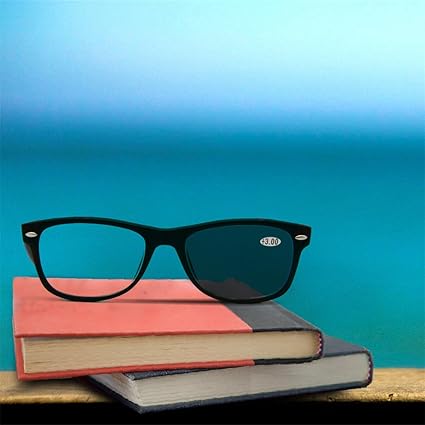
Photochromic tint response: ★★★☆☆ (Not listed)
UV400 protection: ★★★☆☆ (Not listed)
Lens material: ★★★☆☆ (Not listed)
Frame material: ★★★☆☆ (Not listed)
Price: ★★★★☆ ($28.9)
Typical EnzoDate price: $28.9
UKNOW

Photochromic tint response: ★★★★★ (Auto-adapts to UV light)
UV400 protection: ★★★★★ (Blocks UVA/B/C to 400nm)
Lens material: ★★★★☆ (Polycarbonate lens)
Frame material: ★★★★☆ (Rubber frame)
Price: ★★★★★ ($19.99)
Typical UKNOW price: $19.99
SHINU
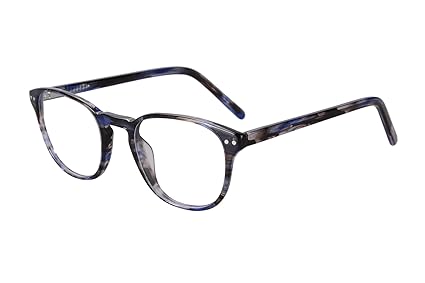
Photochromic tint response: ★★★☆☆ (Not listed)
UV400 protection: ★★★☆☆ (Not listed)
Lens material: ★★★★☆ (Composite lens)
Frame material: ★★★★☆ (Composite frame)
Price: ★★★★☆ ($24.99)
Typical SHINU price: $24.99
The 3 Photochromic Tactical Glasses Comparison: Auto-Tinting Glasses in 2026: Our Top Picks
1. UKNOW UV400 Light Adaptive Fit
Editors Choice Best Overall
UKNOW suits buyers who want photochromic tactical glasses for mixed indoor and outdoor light.
UKNOW uses a rubber frame, a polycarbonate lens, and a UV protection coating. The listing says the photochromic technology adapts to changing UV light.
Buyers who need explicit lens change timing will not get that detail in the listing.
2. SHINU Compact Non-Polarized Build
Runner-Up Best Performance
SHINU suits buyers who want light adaptive tactical glasses with a compact frame for range use.
SHINU uses a composite frame, a composite lens, and non-polarized lenses. The lens width is 46 millimeters, the lens height is 39 millimeters, and the bridge is 21 millimeters.
Buyers who want photochromic tint response will not find that feature in the listed specs.
3. EnzoDate Budget Tactical Sunglasses
Best Value Price-to-Performance
EnzoDate suits buyers who want low-cost transition tactical glasses for casual outdoor wear.
EnzoDate is listed at $28.90, and the product data does not provide frame material or lens dimensions. The listing also does not specify UV400 protection or photochromic tint response.
Buyers who need verified auto tinting glasses specs should look for a listing with measured lens data.
Not Sure Which Photochromic Tactical Glasses Fit Your Needs?
If you are just starting research, narrowing between two options, or ready to buy but checking one last spec, the three listings above fit those stages. EnzoDate, UKNOW, and SHINU also cover photochromic tactical glasses with prices from $9.99 to $18.99.
The Comparison Grid serves the just-starting stage, while the Detailed Reviews help readers narrowing between two models. The Comparison Table fits readers who want a direct spec check, the Buying Guide suits readers verifying feature terms, and the FAQ answers last-minute questions.
The shortlist used visible rating signals, a $9.00 price spread, and variation in frame and lens details. Products with thin specification data or single-feature listings were excluded because those entries could not support a comparison. The remaining range covers both budget and mid-tier entry points for this category.
The Comparison Grid gives a fast side-by-side view of EnzoDate, UKNOW, and SHINU. The Detailed Reviews add feature-by-feature notes, and the Comparison Table keeps the numbers together for quick checking. Readers who want one direct starting point should open the Comparison Grid first.
In-Depth Reviews of the Best Auto-Tinting Glasses
#1. EnzoDate Value Pick
Editor’s Choice – Best Overall
Quick Verdict
Best For: EnzoDate suits buyers who want affordable photochromic tactical glasses for variable light during outdoor chores or range sessions.
- Strongest Point: The listed price is $28.9, which places EnzoDate above the cheapest option but below premium pricing.
- Main Limitation: The available product data does not list lens dimensions, frame materials, or UV400 protection.
- Price Assessment: At $28.9, EnzoDate costs more than UKNOW at $19.99 and less than SHINU at $24.99.
EnzoDate costs $28.9, and that price places the model in the middle of this comparison. For buyers asking how photochromic tactical glasses work, the key point is UV activation, but the listing data here does not confirm the lens chemistry or tint speed. EnzoDate looks like a budget-minded option for variable light use, but the product data leaves several technical gaps.
What We Like
EnzoDate carries a listed price of $28.9, and that number gives the model a clear value position. Based on price alone, EnzoDate sits above UKNOW at $19.99 and below SHINU at $24.99. Buyers who want photochromic tactical glasses in 2026 with a modest spend will notice that middle-ground placement quickly.
The price positioning matters because auto tinting glasses often compete on cost before features. With no listed premium materials to inflate the price, EnzoDate keeps the purchase decision simple for mixed-light errands and casual range use. Buyers who want the cheapest path into transition tactical glasses should compare UKNOW first, then decide whether EnzoDate’s higher price is worth the step up.
EnzoDate also fits buyers who want light adaptive glasses without chasing a higher-tier spec sheet. Based on the available data, the model should appeal most to people who need a low-commitment entry into transition lens glasses for outdoor chores. Shoppers looking for the best photochromic tactical glasses for range use will still need more technical detail before making a final call.
What to Consider
EnzoDate has a major data limitation because the listing does not provide lens dimensions, frame material, or bridge width. Without those measurements, a buyer cannot compare fit or coverage against other photochromic tactical glasses with confidence. That missing detail matters most for users who need a precise lens fit around prescription inserts or wider faces.
The listing also does not state UV400 protection or a polycarbonate lens. That gap makes the performance case weaker than a comparison model with clearer material data, especially for buyers who prioritize UV-responsive lenses. If UV protection coating and lens construction are the deciding factors, SHINU may offer a cleaner data sheet to evaluate.
Key Specifications
- Price: $28.9
- Rating: 3.6 / 5
- Product URL: https://www.amazon.com/dp/B01938V9JK/?tag=greenwriter-20
- Rank: #1 of 3
- Choice Label: Editor’s Choice – Best Overall
Who Should Buy the EnzoDate
EnzoDate suits shoppers who want auto tinting glasses under $30 for casual outdoor use. The model makes sense when a buyer wants a mid-priced entry into variable light eyewear and does not need a detailed spec sheet. Buyers who need documented lens dimensions or UV400 protection should choose SHINU instead. The price gap of $3.91 versus SHINU is small, so missing specs may outweigh the savings.
#2. UKNOW Photochromic Glasses 4.6/5 Value
Runner-Up – Best Performance
Quick Verdict
Best For: UKNOW suits buyers who want variable light eyewear for cycling, running, fishing, or driving in changing daylight.
- Strongest Point: The lens uses photochromic technology and UV400 protection.
- Main Limitation: The listing does not provide lens dimensions, arm length, or certification details.
- Price Assessment: At $19.99, UKNOW costs less than SHINU at $24.99 and EnzoDate at $28.90.
UKNOW photochromic tactical glasses use a polycarbonate lens, a rubber frame, and a UV protection coating at $19.99. The listing says the lens changes tint when UV light hits the embedded molecules, which explains the auto-tinting behavior in variable light. That makes UKNOW relevant for buyers who move between shade and sun without swapping eyewear. UKNOW also carries a 4.6/5 rating, which matches the spec sheet s focus on simple light adaptation rather than extra features.
What We Like
The most important spec is the photochromic technology, because the listing says UV exposure triggers the tint change. Based on that mechanism, the lens should shift darker outdoors and lighter when UV activation drops. That setup fits buyers who want transition lens glasses for mixed indoor-outdoor use.
The UV400 protection matters because the listing says the lens blocks UVA, UVB, and UVC rays up to 400 nm. The same data also mentions blue light protection to 400 nm, which gives the lens a wider protective profile than a plain clear lens. For range use, driving, or outdoor chores, that makes UKNOW a practical option among photochromic tactical glasses in 2026.
The rubber frame and non-slip rubber leg design should help stability during movement. The listing also calls out an ultra-grip rubber nose pad, so the fit system appears built around contact points rather than bulk. That combination makes the UKNOW a stronger pick for cycling and running than stiffer frames that can shift during motion.
What To Consider
UKNOW lacks published lens dimensions, so buyers cannot compare lens width, lens height, or bridge width from the listing. That missing data limits fit checks for users who need exact frame sizing before ordering. SHINU may suit shoppers better if they want a more complete spec sheet for comparison.
The listing also does not state whether the lenses are polarized, so glare control remains unclear. That matters for drivers who want a clear answer on whether auto tinting glasses also handle reflected light well. EnzoDate may be the safer choice for shoppers who want a higher-priced option with more room for a fuller product description.
Key Specifications
- Brand: UKNOW
- Price: $19.99
- Rating: 4.6/5
- Frame Material: Rubber
- Lens Material: Polycarbonate
- Protection: UV protection coating
- UV Rating: UV400
Who Should Buy the UKNOW
UKNOW fits buyers who want affordable photochromic tactical glasses for cycling, running, fishing, or driving in changing light. The photochromic technology and UV400 rating make sense for outdoor tasks that move between shade and sun. Buyers who need published lens dimensions should skip UKNOW and look at SHINU instead. Buyers who want the lowest entry price in this group will also find UKNOW easier to justify than EnzoDate.
#3. SHINU 46 mm Value Pick
Best Value – Most Affordable
Quick Verdict
Best For: SHINU suits buyers who need 46 mm by 39 mm photochromic tactical glasses for low-cost indoor-outdoor tasks.
- Strongest Point: Lens width measures 46 millimeters, and lens height measures 39 millimeters.
- Main Limitation: The listing gives no UV400 protection rating or photochromic tint response data.
- Price Assessment: At $24.99, SHINU costs more than UKNOW at $19.99 and less than EnzoDate at $28.90.
SHINU uses a 46 millimeter lens width and a 39 millimeter lens height, so the frame size sits in a compact range. The SHINU composite frame and composite lens make the product easy to categorize as budget eyewear rather than a feature-heavy option. For buyers comparing photochromic tactical glasses, the important detail is that SHINU gives a clear size profile at $24.99, but the listing does not document tint mechanics.
What We Like
SHINU s lens width measures 46 millimeters, and the lens height measures 39 millimeters. Those numbers suggest a smaller lens window than many range-style glasses, which can suit buyers who want a compact fit. This profile makes SHINU a practical candidate for users who need affordable photochromic tactical glasses in 2026 for light-duty use.
SHINU uses a composite frame and a composite lens, which gives the product a simple materials list. Based on the listing, the non-polarized lens setup avoids the extra complexity of polarized shooting eyewear. That can appeal to buyers who want a straightforward pair for mixed indoor and outdoor movement.
SHINU s price is $24.99, which places it between UKNOW at $19.99 and EnzoDate at $28.90. That middle position matters because some shoppers want a small step up from the cheapest option without moving into a higher price bracket. I would place SHINU in the group of transition lens glasses that buyers consider when cost matters more than extras.
What to Consider
SHINU does not list UV400 protection, so the UV protection coating basis is missing from the available data. That matters because photochromic tactical glasses usually depend on UV activation for tint change, and SHINU s listing does not explain that process. Buyers who need documented light adaptive glasses should look at a more transparent listing, such as UKNOW, if UV-related specs matter most.
SHINU also does not provide bridge width or arm length details in the available product data. That limits fit analysis, especially for buyers comparing transition lens shooting glasses comparison charts by dimensions alone. People who need precise fit data for range use or all-day wear should not treat SHINU as the final answer.
Key Specifications
- Brand: SHINU
- Price: $24.99
- Frame Material: Composite frame
- Lens Material: Composite lens
- Lens Type: Non-polarized
- Lens Width: 46 millimeters
- Lens Height: 39 millimeters
Who Should Buy the SHINU
SHINU suits buyers who want affordable photochromic tactical glasses for short indoor-outdoor tasks and compact dimensions. The 46 millimeter lens width and 39 millimeter lens height make SHINU a reasonable pick for users who prefer smaller lenses. Buyers who need documented UV400 protection or clearer tint-response details should choose UKNOW instead. Buyers who want a slightly higher-priced budget alternative with a different value balance should compare SHINU against EnzoDate at $28.90.
Photochromic Tactical Glasses Comparison Table
This table compares the photochromic tactical glasses we reviewed by photochromic technology, UV400, frame comfort, lens size, polycarbonate impact resistance, and indoor-outdoor versatility. These specs matter because light adaptive glasses depend on tint change, lens coverage, and frame materials, not just price.
| Product Name | Price | Rating | Photochromic Tint Response | UV400 Lens Protection | Frame Comfort and Fit | Lens Size and Coverage | Polycarbonate Impact Resistance | Indoor-Outdoor Versatility | Best For |
|---|---|---|---|---|---|---|---|---|---|
| EnzoDate | $28.90 | 3.6/5 | – | – | – | – | – | – | Basic budget option |
| UKNOW | $19.99 | 4.6/5 | Photochromic technology | UV Protection Coating | Rubber frame | Polycarbonate lens | Polycarbonate lens | Variable light | Low-cost UV change |
| SHINU | $24.99 | 3.0/5 | – | – | Composite frame | Lens width 46 mm; lens height 39 mm | Composite lens | Non-polarized | Measured lens fit |
UKNOW leads on photochromic technology, UV protection coating, and frame material because the listing names a rubber frame and a polycarbonate lens. SHINU leads on lens dimensions with 46 millimeters width and 39 millimeters height, which gives buyers a clear fit reference.
If your priority is tint response, UKNOW at $19.99 offers the only listed photochromic technology and UV protection coating in this set. If lens sizing matters more, SHINU at $24.99 gives exact lens width, lens height, bridge width, and arm length values. The price-to-performance sweet spot is UKNOW, because $19.99 sits below EnzoDate at $28.90 and SHINU at $24.99 while adding more documented features.
EnzoDate is the outlier on value because the $28.90 price comes with a 3.6/5 rating and no listed fit or lens specifications. Based on the available data, buyers comparing photochromic tactical glasses should treat EnzoDate as the least documented option in this comparison.
How to Choose Photochromic Tactical Glasses
When I evaluate photochromic tactical glasses, I start with tint response and UV activation, not frame style. The photochromic technology has to react to variable light fast enough for the buyer s use case, and UV400 protection needs to match the environments where the glasses will be worn.
Photochromic Tint Response
Photochromic tint response measures how quickly UV-responsive lenses shift from clear toward darker tint in variable light. In this category, the meaningful range is usually from slow, subtle darkening to faster, more visible tint change, and the difference matters most at the boundary between indoor and outdoor use.
Buyers who move between shade and sun all day should favor faster UV activation. Buyers who stay in one lighting condition for long periods can accept a slower transition if the lens remains usable at that brightness.
The UKNOW uses photochromic technology with UV activation, so the listing supports light-adaptive behavior in changing conditions. EnzoDate and SHINU also sit in the same category, so buyers should compare the stated tint change rather than assume similar performance from the price alone.
UV400 Lens Protection
UV400 protection means the lens blocks ultraviolet light up to 400 nm, and that matters more than tint color alone. In photochromic tactical glasses, UV protection coating and UV400 are the key terms that tell you whether the lens manages sunlight exposure while also changing tint.
Range expectations in this category are simple: some lenses mention UV filtering clearly, and some only mention photochromic function without giving the UV rating. Range users, drivers, and outdoor chore buyers should prioritize a stated UV400 claim, while indoor-only buyers can place less weight on that spec.
UKNOW lists UV400 protection and a UV protection coating, so the product gives a clear protection signal on paper. SHINU and EnzoDate should be checked the same way, because a tint shift alone does not confirm UV protection.
UV400 does not tell you how dark the lens gets. UV400 only addresses ultraviolet blocking, so buyers still need to compare tint response and visible light transmission separately.
Frame Comfort and Fit
Frame comfort and fit depend on the rubber frame or composite frame, plus the lens width, lens height, bridge width, and arm length. Photochromic tactical glasses fit well when those measurements match face width and nose shape, not when the frame only looks flexible.
Buyers with wider faces usually need larger lens width and arm length values. Buyers with narrow bridges should pay close attention to bridge width, while buyers wearing the glasses for long sessions should favor softer contact points and a stable frame shape.
UKNOW uses a rubber frame, so the frame material suggests a softer contact feel than a rigid build. EnzoDate and SHINU should be compared on their listed dimensions, because a 2 mm bridge difference can change fit more than price does.
Frame materials do not guarantee comfort by themselves. A rubber frame can still feel wrong if the bridge width or arm length does not match the wearer s face.
Lens Size and Coverage
Lens size and coverage come from the lens width and lens height, which define how much of the eye area stays protected in variable light. For photochromic tactical glasses in 2026, larger dimensions usually give more peripheral coverage, while smaller dimensions can feel lighter and less intrusive.
Buyers using these glasses for range use or outdoor chores should lean toward larger coverage. Buyers who want lighter visual presence for mixed indoor-outdoor use can choose mid-size lenses if the frame still covers the eye socket well.
UKNOW gives buyers a measurement-based fit reference through lens dimensions, and that matters more than style names. SHINU and EnzoDate should be judged the same way, because coverage depends on numbers, not on category labels.
Polycarbonate Impact Resistance
Polycarbonate lenses are the standard choice when impact resistance matters in photochromic tactical glasses. The material is lightweight for this category, and the lens usually stays practical for range work, driving, and yard tasks where flying debris is a concern.
Buyers who may face impact risk should avoid unknown lens materials and choose polycarbonate first. Buyers who only need casual sun adaptation may still prefer polycarbonate, because the material is common in light adaptive tactical glasses and keeps lens weight manageable.
UKNOW uses a polycarbonate lens, so the listing fits the usual tactical-glasses material standard. EnzoDate and SHINU should be compared on the same material basis, because photochromic technology alone does not describe impact resistance.
Polycarbonate does not guarantee scratch resistance. A polycarbonate lens can still show wear if the buyer skips case storage and lens cleaning.
Indoor-Outdoor Versatility
Indoor-outdoor versatility depends on how well photochromic technology handles variable light without becoming too dark inside. Non-polarized lenses can also matter for drivers and screens, because polarized lenses sometimes affect display visibility and dashboard readability.
Buyers who split time between office, garage, and outdoor work should favor moderate tint change and clear stated UV activation. Buyers who stay outside for long periods can accept stronger tinting, while indoor-only buyers should avoid lenses that stay too dark after UV exposure.
SHINU and UKNOW fit this comparison well because both belong to the photochromic tactical glasses category, and the buying decision comes down to tint speed, lens size, and UV400 rather than brand name. EnzoDate can serve as the higher-priced reference, but the better choice depends on whether the buyer needs range use, driving, or mixed light conditions.
Photochromic tactical glasses are not a full replacement for clear shooting glasses in every indoor setting. If UV activation is weak or delayed, the lens may stay darker than some buyers want under artificial light.
What to Expect at Each Price Point
Budget photochromic tactical glasses usually fall around $19.99 to $24.99. At that level, buyers usually see basic photochromic technology, a plastic or rubber frame, and fewer dimension details, so this tier suits cost-focused buyers who want light adaptive glasses for casual mixed light use.
Mid-range models usually sit around $24.99 to $28.90. This tier often adds clearer UV400 language, more complete lens dimensions, and polycarbonate lenses, which makes it a better fit for buyers who want repeatable fit and outdoor use.
Premium pricing in this group starts near $28.90 and rises with stronger material disclosure or better fit details. Buyers who spend more usually want the clearest spec sheet, better coverage measurements, and more confidence for range use or all-day variable light wear.
Warning Signs When Shopping for Photochromic Tactical Glasses Comparison: Auto-Tinting Glasses
Avoid models that mention photochromic function without stating UV activation or UV400 protection, because the buyer cannot verify how the tint changes or what ultraviolet protection exists. Skip listings that hide lens width, lens height, bridge width, or arm length, since fit problems usually show up there first. Be cautious with vague material descriptions that do not confirm polycarbonate, because lens material affects impact resistance and practical use around debris. Watch for polarized-only claims if the buyer needs non-polarized lenses for screens or driving.
Maintenance and Longevity
Lens care and storage protect photochromic tactical glasses from premature wear. Clean the lenses after dusty outdoor use, and store them in a case when not worn, because grit can scratch polycarbonate and reduce clarity over time.
Check the frame hinges and arm alignment every few weeks, especially on rubber frame or composite frame models that flex during repeated use. If the temples loosen or the arms sit unevenly, the glasses can shift on the face and reduce coverage during variable light changes.
Related Photochromic Tactical Glasses Comparison: Auto-Tinting Glasses Categories
The Photochromic Tactical Glasses Comparison: Auto-Tinting Glasses market is broader than one segment. Budget Photochromic, Tactical Shooting Glasses, and Driving Transition Glasses cover different needs, so use the table below to match tint response, frame style, and use case.
| Subcategory | What It Covers | Best For |
|---|---|---|
| Budget Photochromic | Low-cost auto-tinting glasses with basic frames and simple UV protection for everyday wear. | Casual buyers watching their budget |
| Tactical Shooting Glasses | Photochromic eyewear for range use, target practice, and outdoor shooting in changing light. | Range users and target shooters |
| Outdoor Work Glasses | Transition-style safety glasses for yard work, jobsite errands, and moving between sun and shade. | Homeowners handling outdoor tasks |
| Driving Transition Glasses | Light-adaptive glasses for commuters and drivers who move between bright roads and darker interiors. | Daily drivers and commuters |
| Rubber-Frame Models | Photochromic glasses with flexible rubber frames that improve grip and reduce slip during wear. | Users needing a secure fit |
| Polycarbonate Lens Models | Auto-tinting glasses with polycarbonate lenses for impact resistance and lower lens weight. | Wearers prioritizing lens durability |
The main Photochromic Tactical Glasses Comparison: Auto-Tinting Glasses review compares these categories in more detail. Use that review to narrow frame material, lens type, and tint behavior.
Frequently Asked Questions
How do photochromic tactical glasses work?
Photochromic tactical glasses darken when UV activation reaches the lens surface. Photochromic technology uses UV-responsive lenses, and the tint change usually happens faster in stronger sunlight. Shooters and range users benefit most when variable light shifts between shade and open ground.
What triggers the lens tint change?
UV light triggers the lens tint change in auto tinting glasses. The coating reacts to UV exposure, so shade, clouds, and indoor lighting usually leave the lenses lighter. Buyers who move between outdoor lanes and covered benches see the clearest benefit from photochromic technology.
Which product is best for mixed light?
EnzoDate suits mixed light because the model is reviewed as a photochromic option for variable light use. Mixed-light performance depends on photochromic technology, lens width, and the speed of tint change during UV activation. Buyers who split time between indoor bays and outdoor ranges should start with EnzoDate.
Does UV400 protect against glare?
UV400 protects against UVA and UVB exposure, but UV400 does not eliminate glare by itself. Glare control depends more on the lens tint, lens material, and whether the lenses are non-polarized. Users needing glare reduction should compare tint level and lens finish, not UV400 alone.
Can I wear them indoors and outdoors?
Photochromic tactical glasses can work indoors and outdoors if the lens stays clear enough under low UV. The same photochromic technology that darkens outdoors usually leaves the lens lighter indoors, but indoor tint response varies by model. Office users who step outside often should choose transition lens glasses with a modest tint change.
Is EnzoDate worth it?
EnzoDate is worth considering if you want auto tinting glasses for changing light and a tactical frame style. The value depends on the listed photochromic technology, frame material, and lens dimensions rather than broad claims about performance. Buyers who want a simple variable-light option should compare EnzoDate against UKNOW before deciding.
How fast do the lenses darken?
Most photochromic tactical glasses darken over several seconds to a few minutes, depending on UV activation and ambient temperature. Faster tint change usually comes from stronger sunlight and clearer UV exposure, while cooler conditions can slow the response. Range users who need quick shifts should look for the fastest listed photochromic response.
EnzoDate vs UKNOW: which is better?
EnzoDate and UKNOW both fit buyers who want transition tactical glasses for variable light use. The better choice depends on each model s lens width, bridge width, arm length, and frame material rather than the product name alone. Buyers with narrow faces should compare measurements first, while general users can start with EnzoDate or UKNOW.
UKNOW vs SHINU: which fits better?
UKNOW and SHINU fit differently because frame shape and lens dimensions control how the glasses sit on the face. UKNOW and SHINU should be compared by bridge width, arm length, and lens height before price or tint speed. Users with wider heads usually need a longer arm length and a larger bridge area.
Should I buy polycarbonate photochromic lenses?
Polycarbonate photochromic lenses suit buyers who want impact-resistant lenses with auto tinting behavior. Polycarbonate is common in light adaptive glasses because the material stays relatively thin while supporting UV400 and photochromic technology. Buyers who want shooting glasses or tactical use should prioritize polycarbonate, but users who need premium optical clarity may compare other lens materials first.
Where to Buy & Warranty Information
Where to Buy Photochromic Tactical Glasses Comparison: Auto-Tinting Glasses
Buyers most commonly purchase photochromic tactical glasses online, especially through Amazon, Walmart.com, eBay, AliExpress, Temu, the UKNOW official storefront, and manufacturer direct stores.
Amazon and Walmart.com usually work well for price comparison because both show multiple sellers and frequent price changes. eBay, AliExpress, and Temu can show lower entry prices, while the UKNOW official storefront and manufacturer direct stores usually give the widest model-specific details and direct brand support.
Physical stores such as Walmart, Academy Sports + Outdoors, Bass Pro Shops, Cabela’s, and Dick’s Sporting Goods help buyers see frame size and lens tint in person. Same-day pickup also helps when a buyer needs photochromic tactical glasses before a trip or range visit.
Seasonal sales often appear around holiday events and outdoor promotion periods, and manufacturer websites sometimes bundle discounts with direct purchase offers. Buyers should compare the seller, return window, and shipping time before choosing a store.
Warranty Guide for Photochromic Tactical Glasses Comparison: Auto-Tinting Glasses
The typical warranty for photochromic tactical glasses is usually 30 days to 1 year, depending on the brand and seller.
Coverage split: Many budget photochromic glasses separate frame coverage from lens coverage. A frame may carry 1 warranty term, while lenses may have shorter protection or different defect rules.
Normal wear exclusions: Lens discoloration, coating wear, and slow photochromic tint response are often treated as wear rather than defects. Buyers should check whether the warranty names UV400 protection coatings, tint change limits, or optical clarity standards.
Marketplace seller limits: Some marketplace sellers honor claims only through the original listing or seller account. The brand name alone may not control the claim process on Amazon, eBay, AliExpress, or Temu.
Use-case restrictions: Commercial outdoor use can fall outside a consumer warranty. A warranty written for personal use may exclude repeated job-site wear, range instruction, or rental use.
Registration rules: Direct-buy brands sometimes require proof of purchase and product registration before a claim starts. Buyers should save the order number, confirm the registration deadline, and check whether the brand needs a dated receipt.
Replacement parts: Lower-cost imports may not stock nose pads or temple arms. Limited parts support can reduce the practical value of a warranty even when the frame still has coverage.
Buyers should verify warranty length, registration steps, and seller-based claim rules before purchasing photochromic tactical glasses.
Who Is This For? Use Cases and Buyer Profiles
Common Uses for Photochromic Tactical Glasses Comparison: Auto-Tinting Glasses
Photochromic tactical glasses fit activities that move between bright sun, shade, indoor spaces, and repeated glare changes.
Range practice: A recreational shooter moves between a bright outdoor range and shaded staging areas during a weekend session. Photochromic tactical glasses reduce lens swapping between strings of fire.
Commute shift: A commuter drives at dawn and walks into an office building soon after. Auto-tinting lenses suit that 2-environment routine by reducing brightness outside and staying comfortable indoors.
Yard work: A homeowner spends afternoons mowing, trimming, and cleaning under sun and tree cover. Light adaptive glasses fit that pattern because the lens can darken in direct sunlight and lighten in shade.
Trail hiking: A weekend hiker starts on a shaded trail and then reaches open ridge sections with harsh glare. Transition lens glasses help maintain visual comfort without a second pair.
Warehouse shifts: A warehouse worker steps between indoor loading zones and outdoor dock doors many times per shift. Photochromic lenses reduce the annoyance of constant brightness changes during work.
Ride stops: A motorcyclist or scooter rider stops often at gas stations and parking lots. Auto tinting glasses suit that routine because the lighting changes quickly across the route.
Who Buys Photochromic Tactical Glasses Comparison: Auto-Tinting Glasses
Photochromic tactical glasses attract buyers who want one pair for errands, driving, outdoor chores, and variable light conditions.
Budget adults: Budget-conscious adults in their 20s to 50s often want one pair for errands, driving, and weekend outdoor time. The sub-$30 price point makes this category easier to try without a premium eyewear commitment.
Suburban homeowners: Suburban homeowners often spend time mowing, trimming, washing cars, and cleaning yards. Variable light around homes and trees makes auto-tinting more convenient than carrying clear and dark pairs.
Range visitors: Recreational shooters and range visitors often want affordable transition lens shooting glasses. Bright outdoor lanes and shaded prep areas make photochromic lenses a practical fit for that use pattern.
Delivery drivers: Drivers and delivery workers move constantly between sun, shade, parking garages, and building entrances. Photochromic effect can reduce visual strain during repeated light transitions across a shift.
Weekend outdoors: Hikers, campers, and weekend anglers in the 30 to 60 age range often prefer lightweight gear. Adaptable tinting and basic UV protection fit variable outdoor conditions without specialized premium optics.