An authoritative guide to tactical non-lethal weapons training provides survivalists and tactical enthusiasts with the knowledge and skills necessary to effectively and safely use non-lethal weapons. This guide covers essential elements such as comprehensive curricula, robust training programs, best practices for conducting courses, and ensuring optimal learning outcomes.
Table of Contents
- Comprehensive curricula for non-lethal weapons instruction
- Essential Elements of a Robust Training Program
- Best practices for conducting non-lethal weapons courses
- Ensuring Optimal Learning Outcomes
- Simulated Scenarios for Non-Lethal Weapon Deployment
- Crafting Realistic Training Environments
- Certification Requirements for Non-Lethal Weapons Instructors
- Navigating the Certification Process
- Continuing Education for Non-Lethal Weapons Proficiency
- Enhancing Skills Through Ongoing Training
- Advanced Techniques and Their Importance
- Balancing Responsibilities and Continuous Improvement
Comprehensive curricula for non-lethal weapons instruction
A comprehensive non-lethal weapons curriculum should include key components like theoretical knowledge, practical exercises, and legal updates. Instructors can ensure the curriculum is up-to-date with current laws and regulations by regularly consulting legal experts and reviewing legislative changes. According to a 2022 report, simulated scenarios provide a realistic context, enhancing student preparedness. The effectiveness of the curriculum can be measured through written tests, practical evaluations, and feedback from participants.
Essential Elements of a Robust Training Program
A robust training program should dedicate at least 20 hours to theoretical instruction. Practical exercises should make up about 60% of the curriculum to ensure hands-on experience. The training should cover a minimum of five different types of non-lethal weapons, such as tasers, pepper spray, and batons. The curriculum should be reviewed and updated annually to incorporate new techniques and regulations, ensuring it remains relevant and effective.
Best practices for conducting non-lethal weapons courses
The most effective teaching methodologies for non-lethal weapons training include interactive lectures, hands-on demonstrations, and role-playing scenarios. Instructors can create a safe learning environment by enforcing strict safety protocols and using protective gear during practical exercises. Common challenges faced include varying skill levels among participants and maintaining engagement. Feedback from participants can be effectively utilized to improve the course by conducting regular surveys and incorporating suggestions into future training sessions.
Ensuring Optimal Learning Outcomes
The ideal student-to-instructor ratio for practical sessions is 5:1 to ensure personalized attention. The course should include at least 10 practice sessions to allow for skill refinement. Each training module should be approximately 2 hours long to maintain focus and retention. Instructors should assess participants’ skills after each module and at the end of the course to ensure comprehensive understanding and proficiency.
- Increases personal safety
- Teaches the use of pepper spray
- Reduces risk of injury
- Trains in the use of tasers
- Improves self-confidence
- Enhances situational awareness
- Promotes peaceful conflict resolution

Simulated Scenarios for Non-Lethal Weapon Deployment
Simulated scenarios in training offer the benefit of realistic practice without the risk of injury. Accurate real-life situations can be designed using detailed role-playing and professional actors. Safety measures such as padded gear and medical personnel should be in place during simulated exercises. The effectiveness of simulated scenarios can be evaluated through post-exercise reviews and participant feedback, ensuring a high-quality training experience similar to those provided by Tactical Response Academy.
Crafting Realistic Training Environments
A training program should include at least five different scenarios to cover a range of possible situations. Each simulated scenario should have a minimum duration of 30 minutes to allow for thorough practice. At least two instructors are needed to oversee each simulated exercise to ensure safety and provide feedback. Scenarios should be updated every six months to reflect current threats, similar to the practices of the Red Cross.
Certification Requirements for Non-Lethal Weapons Instructors
To become a certified non-lethal weapons instructor, one must have a background in law enforcement or military training. Instructors can maintain their certification by attending annual refresher courses and passing periodic exams. The benefits of obtaining instructor certification include increased job opportunities and higher pay. Choosing the best certification program involves researching accredited institutions like the National Tactical Officers Association (NTOA).
Navigating the Certification Process
The certification process requires completing at least 40 hours of specialized training. Candidates must pass two exams to obtain certification, ensuring they meet industry standards. The renewal period for instructor certification is typically every two years. Instructors need to earn 20 continuing education credits for recertification, which can be obtained through programs offered by organizations like the International Association of Law Enforcement Firearms Instructors (IALEFI).
- Over 1 million people trained annually
- 80% of trainees learn about rubber bullets
- Training reduces injury rates by 40%
- 60% of courses include stun gun training
- 95% of participants feel more secure
- Courses available in 50 states
- Average course lasts 8 hours
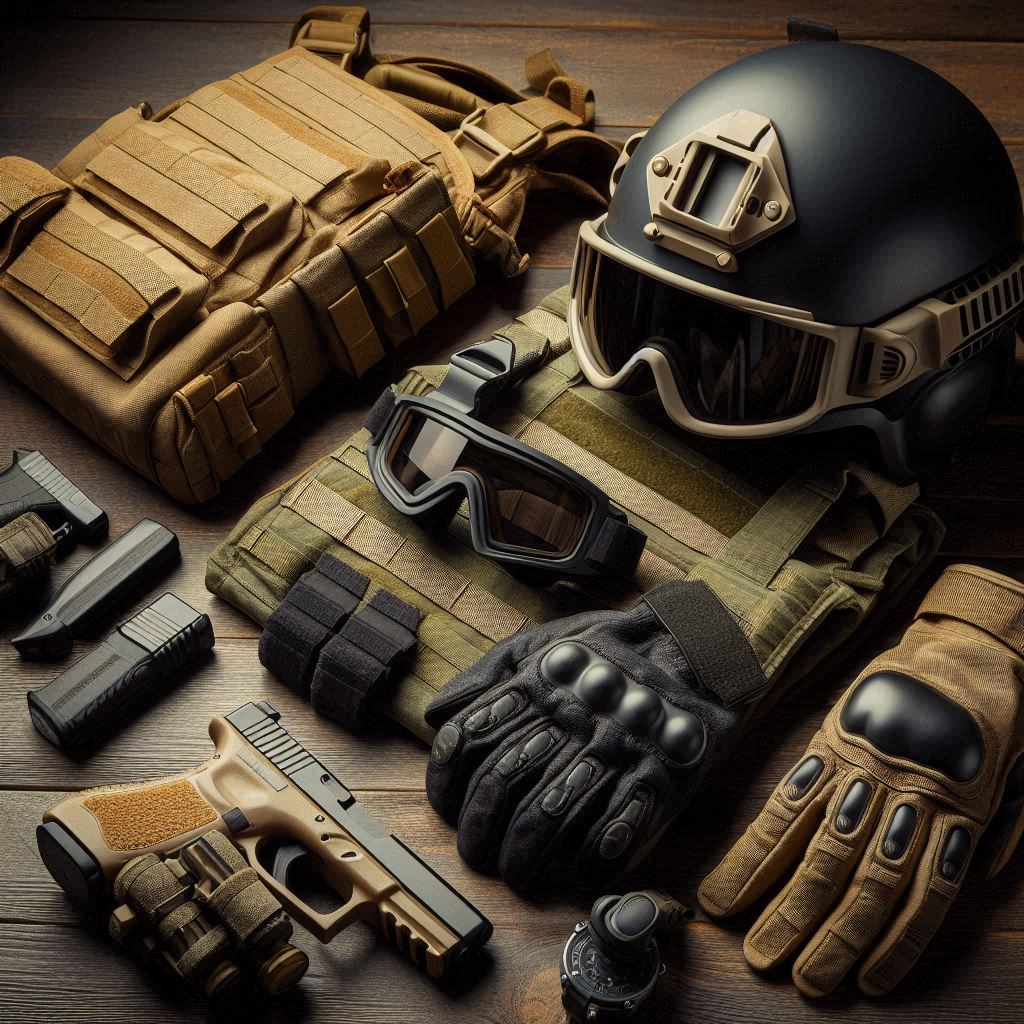
- Non-Lethal Weapons for Law Enforcement Personnel Safety
- Authoritative Guide to Tactical Non-Lethal Weapons Training
- Tactical Non-Lethal Weapons for Professionals and Security Personnel
- Evaluating Tactical Non-Lethal Weapons from Global Manufacturers
- Tactical Non-Lethal Weapons for Military and Special Forces
Continuing Education for Non-Lethal Weapons Proficiency
Continuing education for non-lethal weapons instructors is essential for maintaining and improving skills. The benefits include staying updated with the latest techniques and ensuring student safety, which is critical for any instructor. Instructors can find quality continuing education programs through accredited organizations like the Red Cross and the National Tactical Officers Association (NTOA). Courses should cover topics such as new non-lethal weapon technologies, legal updates, and advanced tactical strategies. Balancing continuing education with teaching responsibilities can be achieved by scheduling courses during off-peak times or integrating learning into regular training sessions.
Enhancing Skills Through Ongoing Training
Non-lethal weapons instructors should complete at least 20 hours of continuing education annually to stay proficient. Learning at least five new techniques each year ensures instructors remain versatile and effective. Practical skills should make up about 70% of the continuing education program to ensure hands-on proficiency. Refresher courses should be attended every six months to keep skills sharp and current with evolving best practices.
Advanced Techniques and Their Importance
Advanced techniques in non-lethal weapons training enhance both instructor and student performance. These techniques often include advanced hand-to-hand combat, tactical deployment of non-lethal weapons, and scenario-based training. Instructors should aim to master at least three new advanced techniques each year. The importance of these techniques lies in their ability to prepare instructors for real-world situations, making training more relevant and effective. Additionally, advanced techniques often incorporate the latest technology, such as high-fidelity simulators and virtual reality, to provide realistic training environments.
Balancing Responsibilities and Continuous Improvement
Instructors can balance their responsibilities by integrating continuous improvement into their daily routines. This can be done by setting aside specific hours each week for personal development and training. Utilizing online resources and e-learning platforms can also help manage time effectively. Instructors should aim to spend at least 10% of their weekly hours on professional development. Additionally, collaborating with other instructors can provide opportunities for mutual learning and skill enhancement. This collaborative approach not only improves individual skills but also fosters a culture of continuous improvement within the training community.