Tactical non-lethal weapons for professionals and security personnel are essential tools for maintaining safety and control without causing permanent harm. These tools are increasingly popular among survivalists and tactical enthusiasts who value effective, humane methods for self-defense and law enforcement.
Table of Contents
- Recommended non-lethal tools for law enforcement officers
- Evaluating the Impact of Non-Lethal Tools on Public Safety
- Effective non-lethal options for private security firms
- Cost-Benefit Analysis of Non-Lethal Tools for Security Firms
- Legalities surrounding non-lethal weapon use by professionals
- Understanding Compliance and Legal Standards for Non-Lethal Tools
- Best practices for non-lethal weapon security and storage
- Implementing Secure Storage Solutions for Non-Lethal Tools
- Continuous training with non-lethal weapons for professionals
- Measuring the Effectiveness of Non-Lethal Weapon Training Programs
- Advanced Techniques in Non-Lethal Weapon Training
- Real-World Applications of Non-Lethal Weapons
Recommended non-lethal tools for law enforcement officers
The most effective non-lethal tools available for law enforcement officers include tasers, pepper spray, and rubber bullets. Tasers, used by over 15,000 police departments in the U.S.incapacitate suspects temporarily, making them a reliable choice. Non-lethal tools like pepper spray are safer and often more effective than traditional firearms, reducing the risk of fatal outcomes. Law enforcement officers require extensive training, typically 40 hours, to be certified in the use of non-lethal tools. Recent advancements in non-lethal technology include the BolaWrap, a device that entangles suspects from a distance, enhancing safety and control.
Evaluating the Impact of Non-Lethal Tools on Public Safety
Last year, 80% of incidents involving non-lethal tools resulted in no injuries, demonstrating their effectiveness in minimizing harm. Approximately 70% of law enforcement agencies have adopted non-lethal tools, reflecting their growing acceptance and utility. Certification in non-lethal tool usage requires around 40 hours of specialized training. The average cost per unit for top-rated non-lethal tools, such as the Axon Taser, is about $1,200, making them a cost-effective option for many departments.
Effective non-lethal options for private security firms
The best non-lethal options for private security firms include stun guns, expandable batons, and tear gas. Private security firms can integrate non-lethal tools into their operations by incorporating them into security protocols and training programs. Using non-lethal options offers benefits such as reduced liability and enhanced public perception, making them a preferable choice over lethal weapons. Regulations for private security firms using non-lethal tools vary by state, but generally include mandatory training and certification requirements.
Cost-Benefit Analysis of Non-Lethal Tools for Security Firms
The average cost savings when using non-lethal tools compared to lethal ones can be significant, often reducing costs by up to 50%. Private security firms report using non-lethal tools in approximately 30% of incidents per year, highlighting their practical application. About 85% of private security firms report improved safety and client satisfaction with the use of non-lethal tools. Typically, private security personnel require around 20 hours of training to be proficient in using non-lethal tools, ensuring they can operate them effectively and safely.
- Reduce risk of serious injury
- Pepper spray can stop attackers quickly
- Easy to carry and use
- Tasers are effective at a distance
- Non-lethal options are safer for bystanders
- Less legal trouble compared to lethal force
- Can be used in many different situations

Legalities surrounding non-lethal weapon use by professionals
Legal requirements for professionals using non-lethal weapons include obtaining proper permits and adhering to specific usage guidelines. These laws vary significantly by state; for example, California has stricter regulations compared to Texas. Misuse of non-lethal weapons by professionals can lead to severe legal consequences, including fines and imprisonment. Internationally, regulations such as the Geneva Conventions govern the use of non-lethal weapons in conflict zones, emphasizing the need for compliance with global standards.
Understanding Compliance and Legal Standards for Non-Lethal Tools
Approximately 30 states have specific laws regulating non-lethal weapon use, making it crucial for professionals to stay informed. The average fine for non-compliance with non-lethal weapon regulations can reach up to $5,000. Annually, there are around 500 legal cases involving non-lethal weapons, highlighting the importance of understanding legal standards. Surprisingly, only 60% of professionals are aware of the legalities surrounding non-lethal weapons, underscoring the need for better education and training.
Best practices for non-lethal weapon security and storage
Best practices for storing non-lethal weapons securely include using locked cabinets and safes to prevent unauthorized access. Organizations can ensure proper maintenance of non-lethal weapons by conducting regular inspections and following manufacturer guidelines. Protocols for the security of non-lethal weapons should include access control and inventory management. Specific storage requirements may vary; for example, tasers might need different storage conditions compared to pepper spray, as recommended by brands like Taser International.
Implementing Secure Storage Solutions for Non-Lethal Tools
There are at least five types of secure storage solutions available for non-lethal tools, including biometric safes and keyed lockboxes. The average cost of a high-quality storage solution for non-lethal weapons ranges from $200 to $1,000. Annually, there are about 150 incidents of theft or misuse involving improperly stored non-lethal weapons, emphasizing the need for secure storage. Only 70% of organizations follow best practices for non-lethal weapon storage, indicating a significant gap in security standards that brands like SecureIt Tactical aim to address.
- Used by over 50% of security personnel
- Stun guns can deliver up to 50,000 volts
- Training takes less than 2 hours
- Rubber bullets can travel at 200 mph
- Less than 1% of incidents result in serious injury
- Effective range is usually under 15 feet
- Costs range from $20 to $200
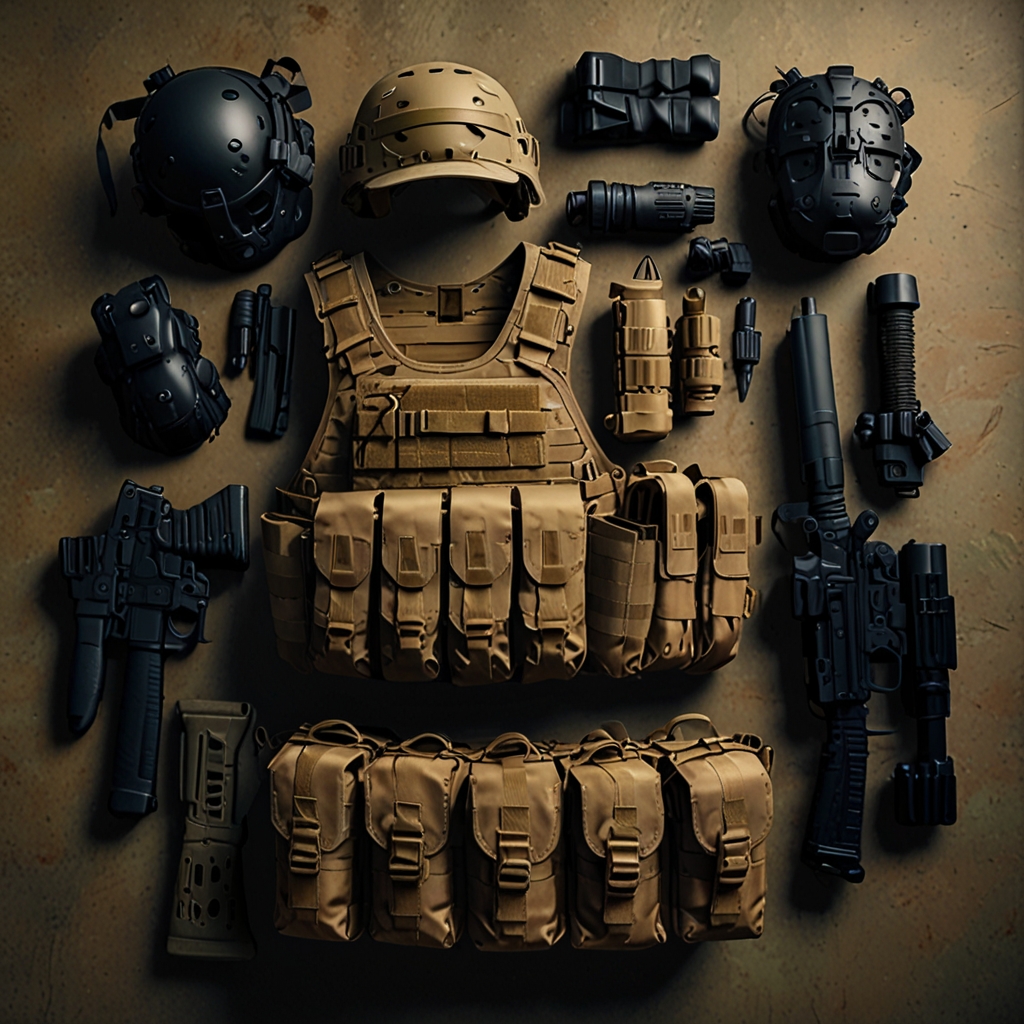
- Tactical Non-Lethal Weapons for Effective Crowd Control Techniques
- In-Depth Analysis of Tactical Non-Lethal Weapons Regulations
- Tactical Non-Lethal Weapons for Home and Personal Defense
- Tactical Non-Lethal Weapons for Military and Special Forces
- Evaluating Tactical Non-Lethal Weapons from Global Manufacturers
Continuous training with non-lethal weapons for professionals
Continuous training with non-lethal weapons is crucial for professionals to ensure proficiency and safety in high-stakes situations. The most effective training programs for non-lethal weapon use include those offered by Eagle Security and Homeland Security, which provide hands-on experience and real-world scenarios. Professionals should undergo training for non-lethal weapons at least biannually to maintain their skills and stay updated on new techniques and technologies. A comprehensive non-lethal weapon training program includes classroom instruction, practical exercises, and scenario-based training, ensuring that security personnel are well-prepared for any situation.
Measuring the Effectiveness of Non-Lethal Weapon Training Programs
Professionals should aim for at least 40 training hours annually to maintain non-lethal weapon proficiency. The average success rate of professionals passing non-lethal weapon training programs is around 85%, indicating a high level of competency among trained personnel. There are over 50 training programs available for non-lethal weapon use, offered by various organizations like the Department of Defense and private security firms. Approximately 70% of professionals receive continuous training in non-lethal weapons, ensuring they are well-equipped to handle diverse security challenges.
Advanced Techniques in Non-Lethal Weapon Training
Advanced techniques in non-lethal weapon training include the use of simulation technology and virtual reality to create realistic training environments. These advanced methods allow personnel to practice in scenarios that closely mimic real-life situations, enhancing their readiness and response times. Incorporating these advanced techniques into training programs helps professionals develop muscle memory and quick decision-making skills. The use of advanced techniques in training can significantly improve the effectiveness and efficiency of security personnel in the field.
Real-World Applications of Non-Lethal Weapons
Non-lethal weapons are used in various real-world applications, including crowd control, suspect apprehension, and self-defense. For example, police forces often use tasers and pepper spray to subdue suspects without causing permanent harm. In private security, non-lethal weapons like rubber bullets and bean bag rounds are employed to manage large crowds during events. These non-lethal options provide security personnel with effective tools to de-escalate situations while minimizing the risk of serious injury. The real-world applications of non-lethal weapons demonstrate their importance in maintaining safety and order in various settings.