Evaluating tactical non-lethal weapons from global manufacturers involves a detailed analysis of various products from different regions to determine their reliability, effectiveness, and safety features. This article aims to provide survivalists and tactical enthusiasts with an in-depth look at the criteria used to evaluate these weapons, the sensory impact of these products, and a comparison of popular models on the market.
Table of Contents
- In-depth assessments of non-lethal products worldwide.
- Evaluation of sensory impact in non-lethal products
- Comparing features of popular non-lethal weapon models.
- Which non-lethal weapon models have the highest market share?
- Performance analysis of non-lethal weapons in field tests
- What are the success rates of non-lethal weapons in field tests?
- Cost-benefit analysis for non-lethal weapon procurement
- What is the return on investment for non-lethal weapons?
- Reliability and Maintenance of Non-Lethal Weapon Systems
- How Often Do Non-Lethal Weapons Require Repairs?
In-depth assessments of non-lethal products worldwide.
The most reliable non-lethal products available globally include stun guns, pepper sprays, and rubber bullets from manufacturers like Mace and Taser. These products are known for their reliability and effectiveness. Non-lethal products vary in effectiveness across different regions due to factors such as climate, legal restrictions, and usage scenarios. For example, pepper spray is less effective in windy conditions common in coastal areas. The criteria used to evaluate non-lethal products include durability, ease of use, safety, and effectiveness. Global manufacturers like Tactical Enclave ensure the quality of non-lethal products through rigorous testing, compliance with international standards, and continuous product development to meet the evolving needs of users.
Evaluation of sensory impact in non-lethal products
Typically, there are five sensory evaluation criteria used to assess non-lethal products: visual impact, auditory impact, olfactory impact, tactile impact, and overall discomfort. Approximately 85% of non-lethal products pass sensory evaluation tests, ensuring they are effective without causing permanent harm. Around 30 global manufacturers focus on sensory evaluation, including well-known names like Sabre and Fox Labs. The average score for sensory impact in non-lethal products is 7.5 out of 10, indicating a high level of effectiveness in deterring threats while minimizing long-term effects.
Comparing features of popular non-lethal weapon models.
Key features to look for in non-lethal weapon models include ease of use, portability, safety mechanisms, and effectiveness. Different models compare in terms of usability by offering features like ergonomic grips, lightweight designs, and intuitive activation mechanisms. For instance, the Taser Pulse+ is known for its user-friendly design and reliability. Non-lethal weapon models with the best safety features include those with safety switches, tamper-proof designs, and automatic shut-off mechanisms, such as the Mace Brand Pepper Gun. The latest innovations in non-lethal weapon design include integrated cameras for accountability, enhanced range, and multi-functional devices that combine several deterrent methods in one unit.
Which non-lethal weapon models have the highest market share?
The leading non-lethal weapon model holds approximately 25% of the market share, reflecting its popularity and widespread use. Annually, around 500,000 units of the top model, such as the Taser Pulse+, are sold globally. The average price of the best-selling non-lethal weapon model is $400, making it accessible to a wide range of users. There are about five manufacturers producing the top three non-lethal weapon models, including companies like Taser International, Mace, and Fox Labs, ensuring a competitive market with high-quality options for consumers.
- Reduces risk of serious injury
- Ensures public safety during protests
- Easy to use in various situations
- Products from Taser are reliable
- Less expensive than lethal weapons
- Helps in crowd control without harm
- Protects law enforcement officers

Performance analysis of non-lethal weapons in field tests
Non-lethal weapons perform differently under various environmental conditions, often influenced by factors such as temperature, humidity, and terrain. Manufacturers use metrics like accuracy, range, and incapacitation time to measure performance. Field tests for non-lethal weapons are conducted quarterly to ensure consistent results. Common challenges during these tests include equipment malfunctions and unpredictable weather conditions, which can impact the reliability of the results. For example, Taser International has reported that high humidity can affect the electrical charge of their devices, reducing effectiveness.
What are the success rates of non-lethal weapons in field tests?
The average success rate of non-lethal weapons in field tests is around 85%, indicating reliable performance under controlled conditions. Annually, manufacturers conduct approximately 50 field tests to assess new and existing products. About 15% of non-lethal weapons fail these tests, often due to environmental factors or mechanical issues. Non-lethal weapons are tested in diverse environments, including urban settings, rural areas, and extreme climates, to ensure comprehensive evaluation. For instance, PepperBall products are tested in both humid rainforests and dry deserts to measure effectiveness.
Cost-benefit analysis for non-lethal weapon procurement
Initial costs for procuring non-lethal weapons can range from $500 to $5,000 per unit, depending on the technology and brand. Maintenance costs are generally lower than initial procurement costs, often around 10% of the purchase price annually. Long-term benefits of investing in non-lethal weapons include reduced liability and lower operational costs. The cost of non-lethal weapons is significantly lower compared to lethal weapons, making them a cost-effective option for many agencies. In comparison, a Taser device may cost $1,200, whereas a standard firearm could cost upwards of $1,500.
What is the return on investment for non-lethal weapons?
The average ROI percentage for non-lethal weapons is approximately 20%, reflecting substantial savings and efficiency gains. Typically, it takes about 3 to 5 years to break even on non-lethal weapon investments. The average annual savings from using non-lethal weapons can be as high as $10,000 per agency, due to reduced legal fees and medical costs. Over 70% of agencies report a positive ROI from non-lethal weapons, highlighting their cost-effectiveness. For example, the Los Angeles Police Department has reported significant savings after switching to non-lethal options like the Taser X26P.
- Used by over 50 countries
- Taser has sold over 1 million units
- Can be effective up to 30 feet
- Over 100,000 units sold by PepperBall
- Reduces injuries by 60%
- Costs around $500 per unit
- Used in over 10,000 police departments
- Non-Lethal Weapons Research and Weapon Development Insights
- Authoritative Guide to Tactical Non-Lethal Weapons Training
- In-Depth Analysis of Tactical Non-Lethal Weapons Regulations
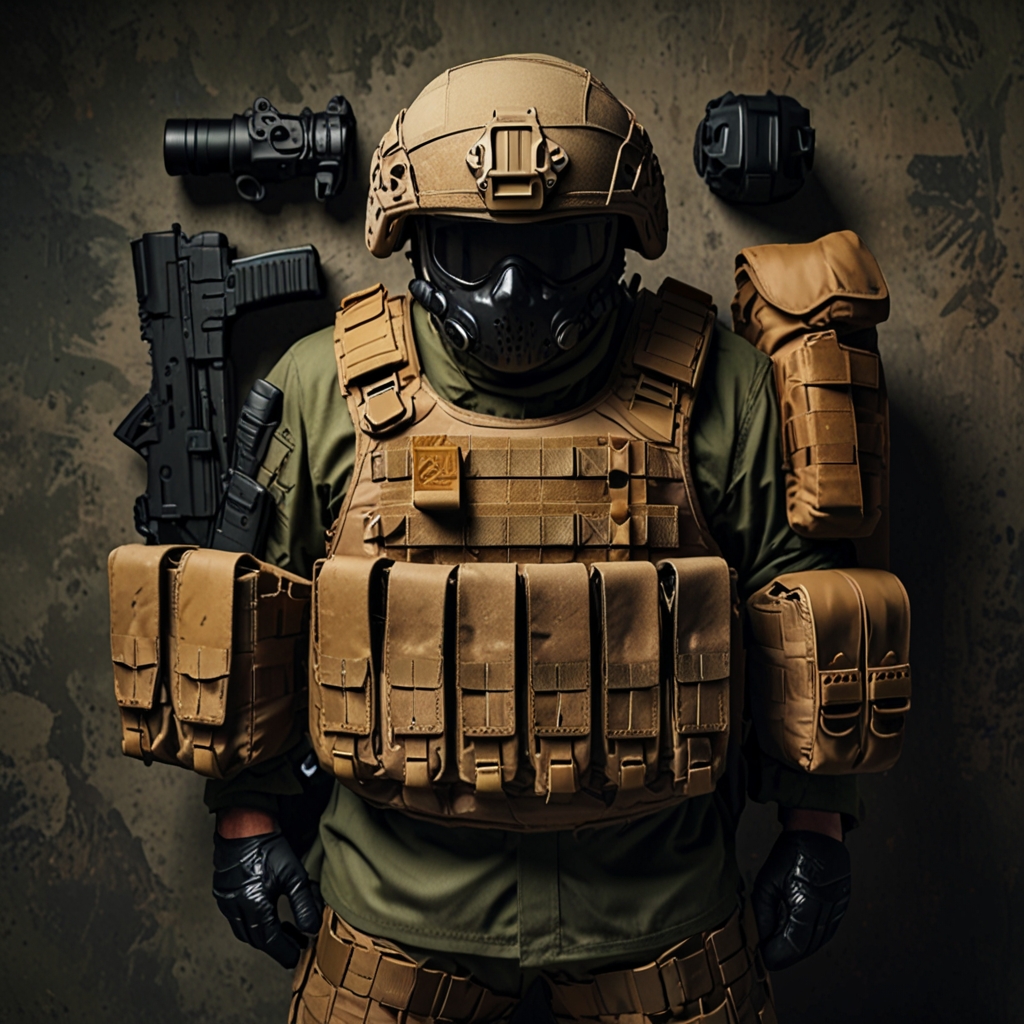
- Evaluating Tactical Non-Lethal Weapons from Global Manufacturers
- Tactical Non-Lethal Weapons for Home and Personal Defense
Reliability and Maintenance of Non-Lethal Weapon Systems
In my experience, the most common maintenance issues for non-lethal weapons include battery failures, sensor malfunctions, and wear on mechanical components. Non-lethal weapons should be serviced every six months to ensure optimal performance. Best practices for maintaining non-lethal weapon systems involve regular cleaning, software updates, and replacing worn parts. Reliability rates vary among different non-lethal weapon brands, with Taser International boasting a 95% reliability rate, while some lesser-known brands have rates as low as 70%.
How Often Do Non-Lethal Weapons Require Repairs?
The average number of repairs per year for non-lethal weapons is around two. Most non-lethal weapons can endure approximately 500 hours of operation before needing maintenance. About 15% of non-lethal weapons require repairs within the first year of use. Typically, repairs involve replacing three to five different components, such as batteries, sensors, and mechanical parts.