For most tactical knife applications, you should look for a steel hardness between 58 HRC and 62 HRC. This range provides the necessary balance between edge retention and the structural toughness required to prevent the blade from chipping or snapping under load.
Recommended Steel Hardness by Tactical Use Case
| Use Case | Recommended Steel Hardness | Why this number |
|---|---|---|
| General Utility/Everyday Carry | 56–58 HRC | Lower hardness allows for easier sharpening and greater durability against impacts. |
| Heavy Slicing/Bushcraft | 57–60 HRC | Provides a balance of edge life and the toughness needed to process wood or heavy cordage. |
| Tactical/Combat Use | 58–62 HRC | High enough to hold a sharp point for piercing, but low enough to resist brittle fracture. |
| Precision Cutting/Fine Work | 60–63 HRC | Maximizes edge retention for repeated clean cuts but requires more careful handling. |
Tactical Knives covered by our own reviews
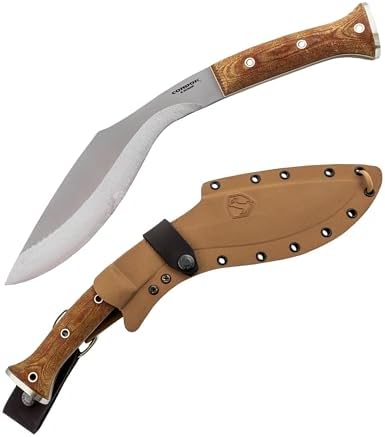
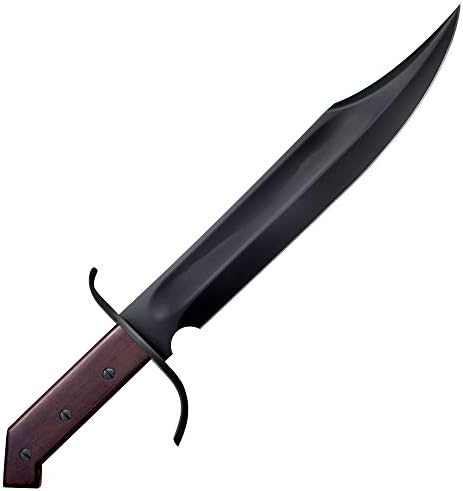
These 3 have their own full review on this site, and run from $100.23 to $135.09.

What Happens if You Under-Provision or Over-Buy Hardness?
Risks of Under-Provisioning Hardness
If the steel hardness falls below 54 HRC, the blade will suffer from rapid edge deformation. In a tactical context, a soft blade will “roll” or dull almost immediately upon contact with hard materials or during repeated use. You will find yourself needing to sharpen the tool much more frequently to maintain a functional cutting edge. Furthermore, very soft steel lacks the structural integrity to hold a fine, sharp point, which is a primary requirement for many tactical applications.
The Real Cost of Over-Buying Hardness
Choosing a steel that exceeds 64 HRC introduces the risk of brittle fracture. While a very hard blade holds an edge for a long time, it behaves more like glass than steel when subjected to lateral stress or heavy impact. If the blade hits a hard object at an angle, it may chip or snap rather than flexing slightly. Additionally, extremely hard steels are significantly more difficult and expensive to sharpen, often requiring specialized equipment and techniques to bring the edge back to a functional state.
The Mistake Most Buyers Make with Steel Hardness
Prioritizing Hardness Over Toughness
Many buyers assume that a higher HRC number automatically results in a better knife. This is a mistake because hardness and toughness are often inversely related in metallurgy. A knife that is extremely hard but lacks toughness will fail catastrophically under the stress of a tactical environment. You should instead focus on finding a “sweet spot” where the steel is hard enough to hold its shape but tough enough to absorb energy without breaking.
Optimizing for Material Composition
Instead of chasing the highest HRC number, you should optimize for the specific steel alloy and its heat treatment. A well-heat-treated 58 HRC blade from a reputable source will often outperform a poorly treated 62 HRC blade. Look for reputable steel grades known for their balance of properties, rather than just looking for the highest number on the specification sheet.
How Steel Hardness Interacts with Other Deciding Specs
Blade Geometry as the Real Limit
Steel hardness is often wasted if the blade geometry is not suited to the task. For example, a very hard steel used on a blade with a thick, dull grind will not provide the cutting performance of a softer steel with a refined, acute edge. The geometry dictates how the edge interacts with the material, while the hardness determines how long that interaction remains effective. You must ensure the grind matches your intended use before the hardness value becomes the deciding factor.
Lock Mechanism and Structural Integrity
In folding tactical knives, the lock mechanism and the blade’s pivot point are often the actual points of failure before the steel hardness becomes an issue. If the lock is weak or the pivot is poorly machined, the blade can move in ways that cause the edge to chip, regardless of how high the HRC rating is. The structural integrity of the handle and the locking system provides the foundation that allows the steel’s hardness to be useful in the first place.
Regional Regulations
Regulations regarding the carry and use of tactical knives vary significantly by country, state, and city. You should confirm the current rules for your specific location before ordering or carrying a knife.