For most tactical knife applications, a blade thickness between 3.0 mm and 5.0 mm provides the necessary balance of structural integrity and maneuverability. You should choose your specific thickness based on whether the priority is heavy-duty durability or rapid, precise cutting actions.
Recommended Blade Thickness by Use Case
| Use Case | Recommended Blade Thickness | Why this number |
|---|---|---|
| General Utility / Everyday Carry | 2.5 mm – 3.5 mm | Thinner profiles allow for easier concealment and faster slicing through soft materials. |
| Tactical / Combat Use | 3.0 mm – 4.5 mm | This range ensures the blade can withstand significant lateral pressure without bending or snapping. |
| Heavy Chopping / Bushcraft | 4.5 mm – 6.0 mm | Thicker steel provides the mass and rigidity required to prevent the blade from folding under heavy impact. |
| Precision Slicing | 2.0 mm – 3.0 mm | Minimal thickness reduces friction and allows for high-velocity cuts in delicate tasks. |
Where these choices show up in our reviews
3 reviewed options, $112.89 to $141.25, with the full write-up behind each name.
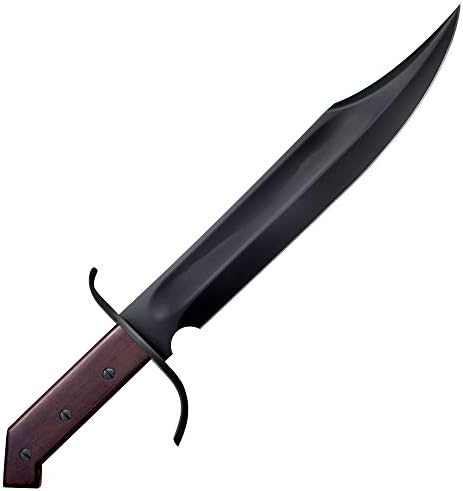


Helle Knives Eggen Triple Laminated Stainless Steel
$141.25 price checked August 2026
If you prefer a lightweight grip, you should view our top-rated tactical knife with titanium handle options.
What Happens if You Under-Provision or Over-Buy Blade Thickness?
Under-provisioning occurs when you select a blade that is too thin for its intended environment. If a tactical knife has a blade thickness below 3.0 mm and is subjected to heavy pressure, the material may experience material fatigue or a brittle fracture. A blade that is too thin lacks the structural “spine” to resist bending, which can lead to a dangerous failure where the blade folds toward the user’s hand or snaps entirely under load.
Risks of Using a Thin Blade
A blade that is too thin for heavy tasks will often flex. While some flex is normal for thin blades, excessive deformation can cause the edge to roll or become dull instantly. In high-stress environments, a blade that lacks sufficient thickness may simply fail to penetrate the target because it bends upon contact, rendering the tool ineffective for its primary purpose.
Over-buying blade thickness involves selecting a knife that is significantly thicker than necessary for your specific needs. While a 6.0 mm blade is incredibly durable, it introduces a significant weight penalty and a “wedge” effect. A very thick blade requires much more force to push through a material because the thickness creates a larger surface area of resistance.
The Practical Costs of Over-Buying
When you choose a blade that is unnecessarily thick, you sacrifice maneuverability. A heavy, thick blade is harder to move quickly in tight spaces and can feel cumbersome in the hand. Furthermore, a thick blade is often harder to sharpen to a fine, acute edge because the sheer volume of steel makes it difficult to achieve a consistent, thin bevel. You end up with a tool that is durable but lacks the “bite” and speed required for tactical precision.
What is the Common Mistake with Blade Thickness?
The most common mistake buyers make is assuming that a thicker blade automatically results in a “better” or “stronger” knife. This is a misunderstanding of how blade geometry and material science interact. Strength in a tactical knife is a product of the steel’s heat treatment and the geometry of the grind, not just the raw thickness of the metal.
Geometry vs. Raw Thickness
You should optimize for blade geometry rather than just thickness. A 3.5 mm blade with a proper distal taper and a reinforced spine can often be more effective than a 5.0 mm blade with a poor grind. The distal taper—where the blade narrows toward the tip—reduces weight and improves balance without sacrificing the strength needed at the handle’s base. By focusing on geometry, you get a tool that feels light and fast but remains structurally sound where it matters most.
How Does Blade Thickness Interact with Other Tactical Knife Specs?
Blade thickness does not exist in a vacuum; it is limited by the handle’s ergonomics and the weight of the overall tool. If you choose a very thick blade, the handle must be large enough to provide a secure grip, otherwise, the weight of the blade will cause the knife to tip forward in your hand. This creates a situation where a high thickness value is wasted because the user cannot maintain a stable grip.
Weight and Balance Limits
The weight of the blade is a primary limit on how much thickness you can practically use. In a tactical context, speed is often a priority. A blade that is too thick adds significant weight to the front of the knife, which can make the tool feel “nose-heavy.” This imbalance can lead to poor grip failure during use because the knife wants to rotate out of the hand. You must balance the thickness against the total weight to ensure the tool remains controllable.
Thickness and Edge Retention
Blade thickness also dictates how the edge will hold up over time. A thicker blade provides more “meat” behind the edge, which allows it to withstand more abuse before the edge becomes dull. However, for a tactical knife, you want a balance where the thickness provides enough support to keep the edge from rolling, but not so much that the knife becomes a blunt wedge. The ideal thickness is the minimum amount of metal required to support the specific geometry you need for your tasks.
The rest of our Tactical Knife guides
- Choosing the Best Tactical Kukri for Gardening
- The Tactical Knives That Work Best for Beginners
- Which Tactical Knife with Leather Sheath Is Best?
- Best Tactical Knives with Titanium Handles
- The Tactical Folding Knives That Work Best for Everyday Carry
- Which Fixed Blade Tactical Knife Is Best for Survival?