Typical warranties for waterproof combat boots range from 6 months to 2 years, though many manufacturers default to a 1-year period. The most common reason a warranty claim in this category is refused is the presence of “normal wear and tear,” which includes the expected degradation of tread depth and the gradual loss of water resistance from frequent use.
What is typically covered and excluded in a waterproof combat boot warranty?
A waterproof combat boot warranty typically covers manufacturing defects in the construction of the boot rather than the degradation of materials over time. You should check the specific documentation for the model you select to confirm the exact duration and scope of the coverage.
Typical manufacturing defects covered
- Sole delamination, where the outsole separates from the upper and compromises structural integrity.
- Failure of the waterproof membrane, such as a hydrostatic pressure breach where water seeps through the seam.
- Structural stitching failures that occur without evidence of external tearing or abrasion.
- Defects in the bonding of the midsole or the internal shank.
- Material flaws, such as bubbling or cracking of the leather or synthetic upper that occurs during normal use.
Typical exclusions from coverage
- Reduction in tread depth or “balding” of the outsole.
- Loss of waterproofing due to the natural breakdown of the membrane or leather pores over time.
- Damage caused by chemical exposure, such as salt, acid, or industrial solvents.
- Structural damage from overloading the boot beyond its rated capacity.
- Wear and tear on the eyelets, laces, or interior lining.
- Damage resulting from improper cleaning or drying methods, such as high-heat forced air.
Reviewed examples from this category
3 reviewed options, $109 to $149.95, with the full write-up behind each name.

VIKTOS Johnny Combat Waterproof Tactical Boots
$109 price checked August 2026
Read our full Johnny Combat Boots review
If you are on a budget, view our comparison of the best waterproof combat boots under $200.

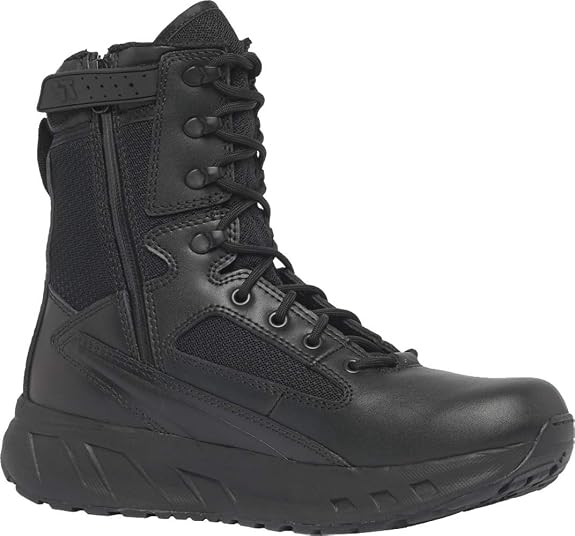
TACTICAL RESEARCH TR Men’s MAXX 8Z WP
$149.95 price checked August 2026
Read our full MAXX 8Z WP review
For those looking to hit the trails, see our guide to the best waterproof tactical boots for hiking.
How does the place of purchase affect your warranty?
The source of your purchase determines who handles the claim and whether the manufacturer will recognize the sale as valid for warranty coverage.
Direct from the manufacturer
Purchasing directly from the maker usually provides the most straightforward path for a claim, as the manufacturer handles the inspection and replacement process directly without a third-party intermediary.
Authorised retailers
Authorised retailers are officially recognized by the manufacturer; they typically facilitate the return process or provide the necessary documentation to ensure the manufacturer accepts the claim.
Marketplace sellers
Marketplace sellers (such as those on large third-party platforms) may not be authorised to sell the product, which can complicate claims. You may have to deal with the seller’s own return policy rather than the manufacturer’s warranty.
Refurbished or open-box sellers
Refurbished or open-box products often carry a significantly shortened warranty or no manufacturer warranty at all. The seller usually provides their own limited guarantee, which rarely covers the structural integrity of the boot for long periods.
Importers or grey-market sellers
Grey-market items are sold outside of the manufacturer’s intended distribution region. These products often lack a valid warranty in your local region, and the manufacturer may refuse to service them even if the purchase is authentic.
New buyers can learn more by viewing how a waterproof combat boot is constructed.
What actions specifically void a waterproof combat boot warranty?
Certain types of use and maintenance will void your warranty coverage immediately, regardless of the manufacturer’s standard terms.
Modifications and alterations
Any modification to the boot, including drilling holes for extra ventilation, adding aftermarket hardware, or altering the sole, voids the warranty.
Improper drying and maintenance
Exposing the boots to extreme heat sources, such as radiators or industrial dryers, can warp the sole or damage the waterproof membrane, leading to a denied claim.
Extreme environmental exposure
While these boots are designed for harsh conditions, use in environments that exceed the manufacturer’s stated temperature or chemical resistance limits may void coverage.
What should you do before buying to ensure a future claim works?
Taking specific steps before you complete your purchase ensures that you have the necessary evidence and documentation to support a claim if a manufacturing defect appears.
- Retain the original purchase receipt or a digital invoice that clearly shows the date of purchase and the seller’s information.
- Keep the original packaging if possible, as some manufacturers require it for certain types of returns.
- Document the condition of the boots upon arrival by taking photos of the soles and the upper material.
- Register the product on the manufacturer’s website if a registration option is provided, as this often establishes a clear start date for the warranty.
- Verify the specific warranty duration and what it covers by reading the physical or digital warranty card provided with the boot.
When is an extended warranty worth it for waterproof combat boots?
An extended warranty is worth it if the boot is used in high-intensity environments where the risk of structural failure is high but the cost of the boot is significant. It is not worth it for standard use where the primary failure mode is wear and tear, as most extended warranties still exclude the degradation of the tread and the waterproofing membrane.
The other Waterproof Combat Boot guides we have published
- Waterproof Combat Boots Under $200 Compared
- Which Waterproof Combat Boots Are Best for Military Use?
- Best Waterproof Tactical Boots for Hiking
- Waterproof Combat Boots for Cold Weather Compared
- Choosing the Best Waterproof Combat Boots for Heavy Duty Work
- The Waterproof Tactical Boots That Work Best for Side Zip Entry