Most waterproof combat boots require an insulation weight between 100g and 400g depending on the intended climate. You should select a specific range based on the lowest expected temperature and the duration of your time spent in the field.
Recommended Insulation Weight for Waterproof Combat Boots by Use Case
| Use Case | Recommended Insulation Weight | Why this number |
|---|---|---|
| Year-round temperate use | 100g – 200g | Provides a thermal buffer against dampness without trapping excessive moisture during warmer months. |
| Cold weather patrol | 200g – 300g | Balances heat retention with the need for mobility in sub-freezing conditions. |
| Extreme winter operations | 300g – 500g+ | Necessary to maintain core temperature in heavy snow or prolonged arctic exposure. |
| High-intensity training | Under 150g | Prioritizes heat dissipation and rapid drying over static warmth. |
Reviewed examples from this category
Prices across these 3 run from $149.97 to $261.99; each one has a full review here.
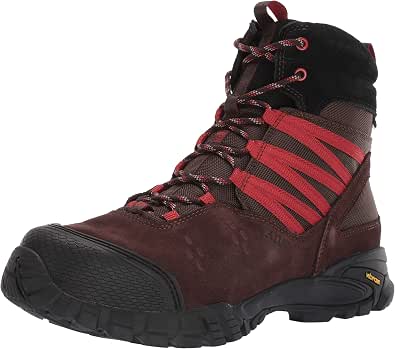

Belleville C793 8in Tactical Boots
$261.99 price checked August 2026
Read our full Belleville C793 review
If you are on a budget, you can find the best waterproof combat boots for cold weather under $250.

What Happens if You Under-Provision or Over-Buy Insulation Weight?
Under-provisioning occurs when the insulation weight is too low for the environment, leading to rapid heat loss. In a waterproof combat boot, moisture from the ground can conduct heat away from the foot much faster than in dry conditions. If the insulation weight falls below the required threshold for your climate, your feet will reach a state of hypothermia-inducing cold within minutes of stationary activity.
Risks of Low Insulation Weight
Low insulation weight fails to create a sufficient dead-air space around the foot. This lack of thermal resistance means that even if the boot is waterproof, the internal temperature will equilibrate with the outside air. You will find yourself needing to remove your gear or stop movement to warm your feet, which can compromise safety in tactical situations.
The Real Cost of Over-Buying Insulation
Over-buying insulation weight introduces a significant risk of moisture management failure. Insulation works by trapping air; however, if that air is humid from perspiration, it becomes a heat sink rather than an insulator. Excessively heavy insulation in a waterproof boot can lead to “swampy” feet where moisture cannot escape the interior of the boot.
Understanding the different options available will help you decide on the ideal upper height for waterproof combat boots.
Furthermore, over-buying insulation adds weight and bulk that can lead to fatigue. A boot with 500g of insulation is significantly heavier and more restrictive than a 200g model. This extra weight forces your calf muscles to work harder to stabilize the boot, potentially leading to early fatigue during long-distance movements or heavy rucks.
The Insulation Weight Mistake: Optimizing for Temperature Instead of Moisture
The most common mistake is selecting a boot based solely on the maximum insulation weight for a specific temperature. Buyers often assume that more grams of insulation will always result in warmer feet, regardless of the activity level or the duration of the mission.
Prioritizing Moisture Management
You should be optimizing for the relationship between insulation weight and the boot’s drainage and venting capabilities. Because a waterproof combat boot seals the foot from external water, the internal environment becomes a closed system. If you choose a high insulation weight for a high-exertion activity, the heat generated by your feet will turn your socks into wet sponges.
Instead of looking for the highest number of grams, determine the maximum temperature you expect to encounter and the highest intensity of movement you will perform. Choose the lowest insulation weight that safely covers that temperature. This ensures the boot remains breathable enough to manage your own body heat while still providing the necessary thermal barrier against the environment.
How Insulation Weight Interacts with Other Deciding Specs
Insulation weight does not exist in a vacuum; its effectiveness is limited by the boot’s construction materials and construction standards. A high insulation weight is wasted if the boot’s outer shell or inner lining cannot support the required thermal environment.
The Waterproofing Barrier
The waterproof membrane is the primary gatekeeper for your feet. If the membrane is not rated for the specific hydrostatic pressure of your environment, the insulation weight becomes irrelevant because water will bypass the barrier. You must ensure the waterproof rating (such as IPX7 or a specific hydrostatic head) meets your needs before looking at the gram weight of the lining.
Sole Material and Heat Retention
The sole construction determines how much heat escapes through the bottom of the boot. A thin, soft sole will lose heat rapidly regardless of how many grams of insulation are in the upper. For high insulation weight requirements, you need a sole with sufficient thickness and material density to provide a thermal break from the ground.
The Weight-to-Mobility Tradeoff
Every gram of insulation added to the upper of the boot increases the total weight of the footwear. This creates a diminishing return where the added warmth is offset by the physical exhaustion of carrying the extra weight. In tactical use, the ability to move quickly is often more important than extreme warmth. You must balance the insulation weight against the total weight of the boot to ensure you can maintain your pace over long distances.
Where to go next in our Waterproof Combat Boot coverage
- Which Waterproof Combat Boots Are Best for Military Use?
- Best Waterproof Tactical Boots for Hiking
- Waterproof Combat Boots for Cold Weather Compared
- Choosing the Best Waterproof Combat Boots for Heavy Duty Work
- The Waterproof Tactical Boots That Work Best for Side Zip Entry
- Which Waterproof Combat Boots are Best for Men?