Upper Height refers to the vertical distance from the sole of the boot to the top of the shaft. The specific height you need depends on your required level of lower-leg protection and the specific gear or clothing you intend to wear over the boot.
Which Upper Height suits my situation?
| If this is you | The Upper Height that suits you | Why |
|---|---|---|
| You work in an environment requiring standard-issue uniform compliance or basic ankle support. | 6 to 8 in. | This height provides standard coverage for the ankle and lower calf without restricting movement for daily tasks. |
| You need to wear thick protective trousers or specialized gaiters over your footwear. | 8 to 10 in. | A taller shaft ensures the trousers stay in place and prevents debris from entering the gap between the boot and the pant leg. |
| You operate in high-debris environments or need maximum lower-leg protection. | 10 to 12 in. | A taller profile offers more coverage against lateral impacts and keeps out larger pieces of material or heavy mud. |
| You are a specialized operator requiring maximum coverage for heavy-duty industrial use. | 12+ in. | Extended heights provide a significant barrier for the lower leg, often used in specialized heavy-duty applications. |
Waterproof Combat Boots we have reviewed in detail
Prices across these 3 run from $100 to $261.99; each one has a full review here.

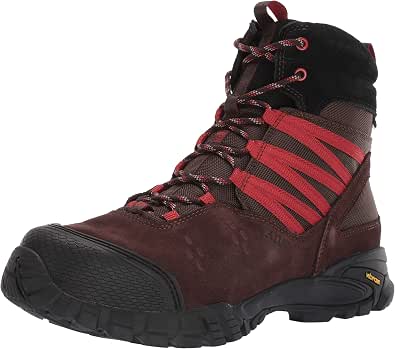
5.11 Men’s Union 6″ Waterproof Tactical Boot
$154.99 price checked August 2026
If you are on a budget, see our comparison of affordable waterproof combat boots to find the best value.

How do I measure or establish my required Upper Height?
To establish the correct Upper Height, you must identify the point on your lower leg where the boot’s shaft should terminate. This is usually determined by the height of your trousers or the specific protection requirements of your work environment.
For those heading into the wilderness, view the best waterproof tactical boots for hiking to find the right grip.
Identify your trouser termination point
Wear the trousers you intend to use with your waterproof combat boots and mark where they naturally sit on your calf. Measure the distance from the ground to this mark in inches. If your trousers end at 9 in., an 8 in. or 10 in. boot is typically appropriate to ensure the boot remains fully covered.
Check the manufacturer’s specifications
Upper Height is a standard specification listed in the technical data of waterproof combat boots. Look for the measurement in inches (in.) on the product’s specification table or size guide. Manufacturers usually provide this measurement from the base of the sole to the top of the leather or fabric collar.
Verify clearance for gaiters
If you use specialized gaiters, you must ensure the boot’s Upper Height does not interfere with the gaiter’s attachment point. Measure the distance from your ankle bone to where the gaiter begins. You need a boot height that allows the gaiter to sit securely without the boot’s collar protruding above the gaiter’s seal.
What happens if the Upper Height is too short?
The risk of a short Upper Height is primarily related to exposure and debris entry. If the boot is too short for your trousers, the gap between the boot and the pant leg becomes a point of failure for the waterproof seal.
Debris and moisture entry
A short Upper Height allows dirt, gravel, or snow to fall into the boot. In a waterproof combat boot, the integrity of the waterproof system relies on the boot and the trousers working together to create a continuous barrier. If the boot ends too low, water can seep down the leg and into the interior of the footwear.
Reduced lateral support
Lower Upper Heights provide less surface area to stabilize the ankle. If you require significant support for heavy loads or uneven terrain, a boot that is too short may not provide the necessary structural wrap around the lower calf to prevent the boot from shifting during a stride.
What happens if the Upper Height is too tall?
An Upper Height that is too tall can lead to mobility issues and restricted circulation if the shaft is too tight for your leg shape. This is particularly relevant when wearing heavy-duty gear.
You can learn more about the technology by seeing how waterproof combat boots work to keep your feet dry.
Restricted range of motion
A very tall Upper Height can limit the ability to flex the ankle or move the lower leg forward and backward. If the boot shaft is too high, the material may bunch up or press against the calf muscle, causing discomfort during long periods of walking or running.
Excessive heat and moisture buildup
Taller boots trap more air and heat around the lower leg. In a waterproof combat boot, this can lead to increased perspiration. If the Upper Height is significantly taller than necessary for your requirements, the lack of ventilation in the upper shaft can make the boot feel excessively hot during high-exertion activities.
What should I do if I fall between two Upper Height values?
If your measurements place you exactly between two standard Upper Height values, such as 8 in. and 10 in., you should choose based on your specific protective requirements rather than the measurement alone.
Prioritize protection in ambiguous cases
If you are unsure whether to go shorter or taller, choose the higher Upper Height. A slightly taller boot is easier to accommodate by adjusting your trouser height, whereas a boot that is too short cannot be “extended” to provide more coverage or a better seal against debris.
Check your trousers first
Before making a final decision on a borderline case, verify the exact length of the trousers you will wear most often. If your trousers are consistently 9 in. long, an 8 in. boot provides a 1-inch overlap, while a 10 in. boot provides a 1-inch “tuck” into the trouser. Choose the overlap if you prefer a cleaner look, or the tuck if you prioritize maximum debris protection.
Review the return policy
Because Upper Height is a physical fit consideration, check the seller’s return policy before ordering. If you are caught between two sizes, knowing you can exchange the boot if the shaft feels too restrictive or too short provides the necessary safety net for your decision.
More Waterproof Combat Boot explainers and comparisons
- Best Waterproof Tactical Boots for Outdoor Use
- Waterproof Combat Boots Under $200 Compared
- Which Waterproof Combat Boots Are Best for Military Use?
- Best Waterproof Tactical Boots for Hiking
- Waterproof Combat Boots for Cold Weather Compared
- Choosing the Best Waterproof Combat Boots for Heavy Duty Work