Most users need an IPX4 rating for general outdoor use and an IPX7 rating for full immersion or heavy rain. These ratings determine how much water and dust your projector headlamp can withstand before the internal electronics fail.
Recommended IP Ratings for Projector Headlamps by Use Case
| Use Case | Recommended IP Rating | Why this number |
|---|---|---|
| General Trail Running | IPX4 | Protects against splashing water from any direction during moderate activity. |
| Heavy Rain Hiking | IPX6 | Ensures the unit remains functional under high-pressure water jets or heavy downpours. |
| Caving and Muddy Terrain | IP6X | The ‘6’ ensures the housing is dust-tight, preventing grit from entering the projector lens. |
| Water Sports or Fishing | IPX7 | Allows the headlamp to survive a full immersion in water up to 1 meter for 30 minutes. |
| Submersible Use | IPX8 | Provides the highest standard for continuous immersion, though rarely necessary for headlamps. |
Products in this category with a full review here
3 reviewed options, $102.51 to $274.95, with the full write-up behind each name.

NEBO Master Series Flashlight & Transcend 1500 Headlamp
$169.58 price checked August 2026
Read our full NEBO Master & Transcend review
If you need a portable light for the wilderness, see our comparison of the best outdoor headlamp for camping.
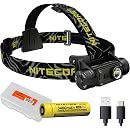
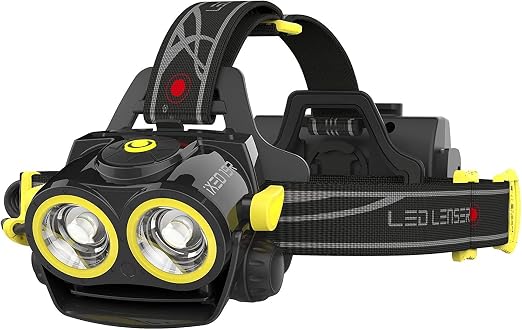
LED Lenser iXEO 19R Industrial Rechargeable Headlamp
For those specifically looking at that brand, explore our ranking of the best ledlenser headlamp.
$274.95 price checked August 2026
What Happens if You Under-Provision or Over-Buy IP Ratings
The Risks of Under-Provisioning
If you choose a projector headlamp with a rating lower than your environment requires, moisture ingress can cause immediate short circuits. Even a small amount of humidity entering the housing can create mineral deposits on the projector lens, leading to beam scattering or permanent dimming of the LEDs. In high-dust environments, a lack of the ‘6’ rating means fine particles will eventually coat the internal optics, reducing the effective throw distance of the light.
The Real Cost of Over-Buying
Over-buying an IP rating involves paying a premium for engineering features you will never use. A headlamp rated for IPX8 (full submersion) requires specialized gaskets, sealed membranes, and reinforced housing materials that increase the retail price. If you only intend to use the device for night running in dry conditions, paying for water-immersion protection is a waste of budget that could be better spent on higher lumen output or a larger battery capacity.
Understanding power is key, so consult our guide on battery capacity for headlamps.
The Mistake Most Buyers Make with IP Ratings
Many buyers assume that a higher IP rating automatically results in a better-performing headlamp. This is a mistake because the IP rating only measures the integrity of the seal, not the quality of the light produced. You should optimize for the specific environment you frequent rather than chasing the highest number possible. If you are a trail runner, a high-quality IPX4 rating paired with a high-lumen output is more useful than an IPX7 rating on a dim, low-quality light.
How IP Rating Interacts with Other Projector Headlamp Specs
Heat Dissipation vs. Sealed Housings
A high IP rating can sometimes limit the thermal performance of a projector headlamp. Because high IP ratings require airtight seals, heat generated by the LEDs can become trapped inside the housing. This can lead to thermal throttling, where the headlamp automatically dims the light to prevent the internal components from melting. When looking at high-output models, check if the manufacturer has included dedicated heat sinks or cooling vents that maintain the IP rating while managing internal temperatures.
Weight and Material Seals
Achieving a high IP rating often requires thicker, more durable materials like heavy-duty plastics or metals. This can increase the weight of the headlamp, which affects how it sits on your head during long use. A heavy headlamp with a high IP rating may cause more neck fatigue than a lighter, lower-rated model. Balance the need for environmental protection against the physical weight of the unit to ensure comfort during extended periods of use.
Battery Life and Sealed Compartments
Battery life is often the primary constraint for projector headlamps, and the IP rating can influence this. Sealed housings may limit the amount of space available for large battery cells. If you require a long runtime, you might find that the most waterproof models have smaller batteries to keep the unit compact. Evaluate the expected runtime in hours alongside the IP rating to ensure the headlamp can last through your entire planned activity.