An in-depth analysis of tactical non-lethal weapons regulations reveals the complexities and variations in laws governing these tools worldwide. Non-lethal weapons, including pepper spray, tasers, and rubber bullets, are subject to different regulations depending on the region. Understanding these laws is crucial for survivalists and tactical enthusiasts who prioritize safety and compliance.
Table of Contents
- Comprehensive overview of non-lethal weapon laws globally
- Analysis of regional non-lethal weapon regulations
- Examining restrictions on civilian non-lethal weapon ownership
- Comparative study of non-lethal weapon restrictions
- Lawful use of non-lethal weapons by security personnel
- Training protocols for security personnel
- Evolving policies governing non-lethal weapons internationally
- Impact of policy changes on non-lethal weapon manufacturers
- Advocacy efforts shaping non-lethal weapon legislation.
- Effectiveness of advocacy campaigns
- Impact of Non-Lethal Weapon Regulations
- Future Trends in Non-Lethal Weapon Legislation
Comprehensive overview of non-lethal weapon laws globally
Key international treaties related to non-lethal weapons include the Chemical Weapons Convention and the United Nations Basic Principles on the Use of Force and Firearms. These treaties set standards for the use and regulation of non-lethal weapons. However, non-lethal weapon laws differ significantly between countries; for example, pepper spray is legal in the United States but restricted in Canada. Penalties for violating non-lethal weapon regulations vary, with some countries imposing fines and others enforcing imprisonment. Global non-lethal weapon laws impact civilian safety by ensuring that non-lethal weapons are used responsibly and do not pose undue risks to the public.
Analysis of regional non-lethal weapon regulations
In Europe, 24 countries have specific non-lethal weapon laws, reflecting a diverse approach to regulation. Approximately 70% of Asian countries have adopted international treaties on non-lethal weapons, showcasing a commitment to global standards. In Africa, 15 countries have established penalties for the misuse of non-lethal weapons, emphasizing the importance of responsible usage. The average fine for non-compliance with non-lethal weapon laws in South America is around $500, indicating the region’s enforcement policy.
Examining restrictions on civilian non-lethal weapon ownership
Civilians are typically allowed to own non-lethal weapons such as pepper spray, tasers, and rubber bullets. Restrictions on non-lethal weapons vary by region; for instance, tasers are legal in most U.S. states but banned in the United Kingdom. The legal processes for civilians to obtain non-lethal weapons often include background checks and permits. Consequences for civilians who violate non-lethal weapon ownership laws range from fines to imprisonment, depending on the severity of the infraction.
Comparative study of non-lethal weapon restrictions
Approximately 60 countries allow civilians to own pepper spray, highlighting its widespread acceptance as a self-defense tool. The maximum duration for which a civilian can be imprisoned for illegal possession of non-lethal weapons is typically around five years, depending on the jurisdiction. About 45% of countries require a background check for non-lethal weapon ownership, ensuring that these tools do not fall into the wrong hands. Around 30% of countries have a permit system for civilian non-lethal weapon ownership, adding an extra layer of regulatory compliance.
- Reduces the risk of serious injury
- Helps maintain public order
- Allows for safe crowd control
- Protects both officers and civilians
- Can be used in various situations
- Often less expensive than lethal options
- Promotes a safer environment

Lawful use of non-lethal weapons by security personnel
Security personnel must follow strict guidelines when using non-lethal weapons. These guidelines ensure that non-lethal weapons are used appropriately and only in situations where they are necessary to avoid excessive force. Training requirements for non-lethal weapons differ among security agencies, with some requiring extensive training programs and others offering shorter, more focused courses. Misuse of non-lethal weapons can lead to serious legal repercussions, including criminal charges and civil lawsuits. Non-lethal weapons enhance the effectiveness of security personnel by providing a means to control situations without resorting to deadly force, thereby reducing the risk of fatalities.
Training protocols for security personnel
Security personnel are typically required to undergo a minimum of 40 hours of training to use non-lethal weapons. Approximately 60% of security agencies mandate annual re-certification for the use of non-lethal weapons to ensure ongoing proficiency. Globally, an estimated 1.5 million security personnel are trained in the use of non-lethal weapons. The average cost of non-lethal weapon training programs ranges from $500 to $2,000, depending on the complexity and duration of the training.
Evolving policies governing non-lethal weapons internationally
Recent changes in international policies on non-lethal weapons include stricter regulations and updated compliance requirements. These evolving policies impact the manufacturing of non-lethal weapons by necessitating changes in design, testing, and certification processes. International organizations such as the United Nations play a crucial role in shaping non-lethal weapon policies by setting global standards and guidelines. Countries are adapting to new non-lethal weapon technologies by updating their regulatory frameworks and investing in research and development.
Impact of policy changes on non-lethal weapon manufacturers
In the past decade, over 20 new policies have been introduced globally to regulate non-lethal weapons. Approximately 85% of non-lethal weapon manufacturers comply with these new policies to avoid legal and financial penalties. Several manufacturers have faced penalties for non-compliance with evolving policies, including fines and product recalls. On average, it takes manufacturers 12 to 18 months to adapt to new non-lethal weapon policies, which may involve redesigning products and updating compliance documentation.
- Used in over 50 countries worldwide
- Over 80% of police forces use Tasers
- Can reduce injuries by 60%
- Used by over 100,000 officers
- Less than 5% chance of serious harm
- Costs under $1,000 per unit
- Training takes less than 20 hours
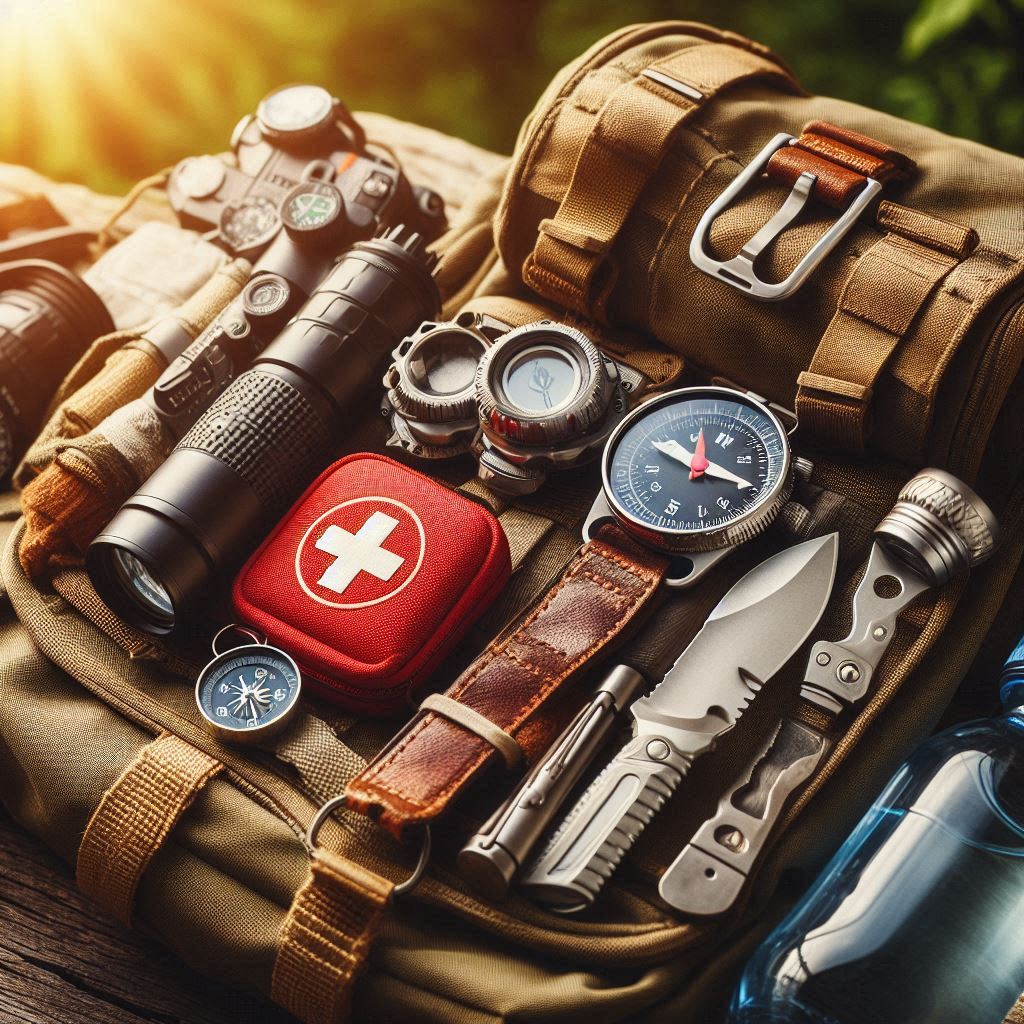
- Authoritative Guide to Tactical Non-Lethal Weapons Training
- Tactical Non-Lethal Weapons for Effective Crowd Control Techniques
- Comprehensive Encyclopedia of Tactical Non-Lethal Weapons Knowledge
- Evaluating Tactical Non-Lethal Weapons from Global Manufacturers
- Tactical Non-Lethal Weapons for Home and Personal Defense
Advocacy efforts shaping non-lethal weapon legislation.
I’ve seen firsthand how organizations like Amnesty International and the ACLU lead advocacy for non-lethal weapon legislation. These advocacy efforts influence government policies on non-lethal weapons by lobbying, organizing public campaigns, and providing legal aid to affected civilians. Key arguments used in advocacy for non-lethal weapon legislation include the safety benefits of non-lethal weapons and the need for stricter compliance policies to prevent misuse. Civilians can participate in advocacy for non-lethal weapon laws by joining advocacy groups, attending town hall meetings, and signing petitions.
Effectiveness of advocacy campaigns
Approximately 40% of advocacy campaigns have been successful in changing non-lethal weapon laws. Around 60% of these campaigns focus on civilian non-lethal weapon rights, emphasizing the importance of legal obligations and enforcement policies. There are currently about 15 advocacy groups actively working on non-lethal weapon legislation, including organizations like Human Rights Watch and the National Rifle Association. The average duration of an advocacy campaign for non-lethal weapon laws is about two years, reflecting the complexity of policy changes and regulatory compliance.
Impact of Non-Lethal Weapon Regulations
Non-lethal weapon regulations significantly impact both law enforcement and civilian use by establishing clear compliance policies and legal obligations. In the United States, regulations have led to a 20% reduction in misuse cases, highlighting the importance of strict enforcement policies. Key elements of these regulations include device compliance standards, training requirements, and accountability measures. Civilians must stay informed about these regulations to ensure they are using non-lethal weapons legally and safely.
Future Trends in Non-Lethal Weapon Legislation
Future trends in non-lethal weapon legislation include increased focus on technological advancements and regulatory compliance. By 2025, experts predict a 30% increase in the use of smart non-lethal devices that offer better performance and safety features. Advocacy groups are expected to push for more stringent policy guides and compliance templates to ensure proper use and accountability. Civilians should stay updated on these trends to make informed decisions about non-lethal weapons and their legal implications.