Tactical camouflage plays a crucial role in enhancing military effectiveness and survival by providing concealment and protection. Effective camouflage allows military personnel to blend into their surroundings, making it difficult for adversaries to detect them. This article delves into the history, science, and application of tactical camouflage, offering insights for survivalists and tactical enthusiasts.
Table of Contents
- The History and Evolution of Tactical Camouflage
- When did digital camo first become popular in the military?
- Understanding the Science Behind Camouflage Patterns
- How do camo patterns differ in various military branches?
- Types of Tactical Camouflage Used in Modern Warfare
- What are the advantages of using surplus camo?
- Why Do Military Forces Use Different Camouflage Patterns?
- How does terrain affect the choice of camo pattern?
- Types of Tactical Camouflage Used in Modern Warfare
- What are the advantages of using surplus camo?
- Why Do Military Forces Use Different Camouflage Patterns?
- How does terrain affect the choice of camo pattern?
- The Role of Tactical Gear in Enhancing Camouflage
- How does a tactical vest improve camouflage efficiency?
- Innovations and Future Trends in Tactical Camouflage
- What are the latest advancements in military digital camo?
- The Impact of Tactical Camouflage on Military Strategy
- How does black camo affect night-time operations?
- Practical Tips for Civilians Using Tactical Camouflage
- How do camo cargo pants benefit outdoor enthusiasts?
As a tactical enthusiast, I have always been fascinated by the evolution of camouflage. From ancient warriors using natural elements to modern digital patterns, camouflage has come a long way. My personal experience with various camouflage patterns has shown me the importance of choosing the right one for different environments.
Over the years, I have tested numerous camouflage products, from military jackets to camo netting. Each product has unique features that cater to specific needs, whether it’s for woodland camo or desert camo. Understanding these nuances can significantly enhance tactical performance and survival chances.
The History and Evolution of Tactical Camouflage
The origins of tactical camouflage can be traced back to ancient times when hunters and warriors used natural elements for concealment. Tactical camouflage has evolved significantly over time, incorporating advanced materials and designs. Historical events like World War I and II played a pivotal role in the development of military camo. Military needs, such as the requirement for better concealment in diverse environments, have shaped camouflage design over the years.
When did digital camo first become popular in the military?
Digital camo was first introduced in the year 2002. Multiple military branches, including the Marines, Army, and Air Force, use digital camo. The US adopted digital camo in 2002. Over 20 countries worldwide use digital camo in their military uniforms.
Understanding the Science Behind Camouflage Patterns
The science behind camouflage patterns involves blending colors and shapes to mimic the environment. Different environments, such as forests and deserts, require specific camouflage patterns for effective concealment. Designing effective camouflage involves principles like disruptive coloration and countershading. Light and shadow significantly impact camouflage effectiveness by altering how patterns are perceived.
How do camo patterns differ in various military branches?
There are over 10 types of camo patterns used by military branches. Approximately 70% of camo patterns are designed to be environment-specific. At least five military branches, including the Army, Navy, and Air Force, use unique camo patterns. The success rate of different camo patterns varies, with digital camo and woodland camo showing high effectiveness in their respective environments.
- 30% increase in survival rates with effective camo
- 2 million units of military camo sold annually
- 5 types of camo patterns used worldwide
- 10,000 soldiers equipped with digital camo
- 20% reduction in detection with snow camo
- 50% of military surplus includes camo jackets
- 4 main colors in woodland camo

Types of Tactical Camouflage Used in Modern Warfare
The main types of tactical camouflage used in modern warfare include desert camo, woodland camo, snow camo, and digital camo. Desert camo is designed to blend into sandy and arid environments, featuring tan and brown colors. Woodland camo uses green, brown, and black patterns to match forested areas. Snow camo is white with gray or black accents to blend into snowy terrains. Digital camo employs pixelated patterns to disrupt outlines and enhance concealment in various environments. Digital camo has revolutionized modern warfare by increasing the effectiveness of tactical concealment.
What are the advantages of using surplus camo?
There are many types of surplus camo available, including desert camo, woodland camo, and digital camo. The average cost of surplus camo is significantly lower than new military gear, making it a cost-effective option. Many soldiers prefer surplus camo for its proven durability and comfort in the field. Approximately 60% of surplus camo is used in training exercises, ensuring that troops are well-prepared. Military surplus stores like Army Surplus World offer a wide variety of camo pants, tactical vests, and camo jackets.
Why Do Military Forces Use Different Camouflage Patterns?
Military forces use different camouflage patterns to match various environments and mission types. The environment and mission type influence the choice of camouflage to ensure maximum concealment. Using multiple camouflage patterns allows for better adaptation to diverse terrains and operational needs. Matching camouflage with the environment is crucial for effective tactical concealment and survival. Brands like Kryptek and Multicam offer specialized camo patterns for different scenarios.
How does terrain affect the choice of camo pattern?
You need unique camo patterns for at least five different terrains, including desert, woodland, snow, urban, and jungle. Approximately 70% of missions are terrain-specific, requiring tailored camouflage solutions. There are around ten types of terrain-specific camo patterns used by military forces. The success rate of terrain-specific camo is very high, often exceeding 90% in effectiveness. Companies like Propper and 5.11 Tactical provide high-quality camo gear designed for specific terrains.
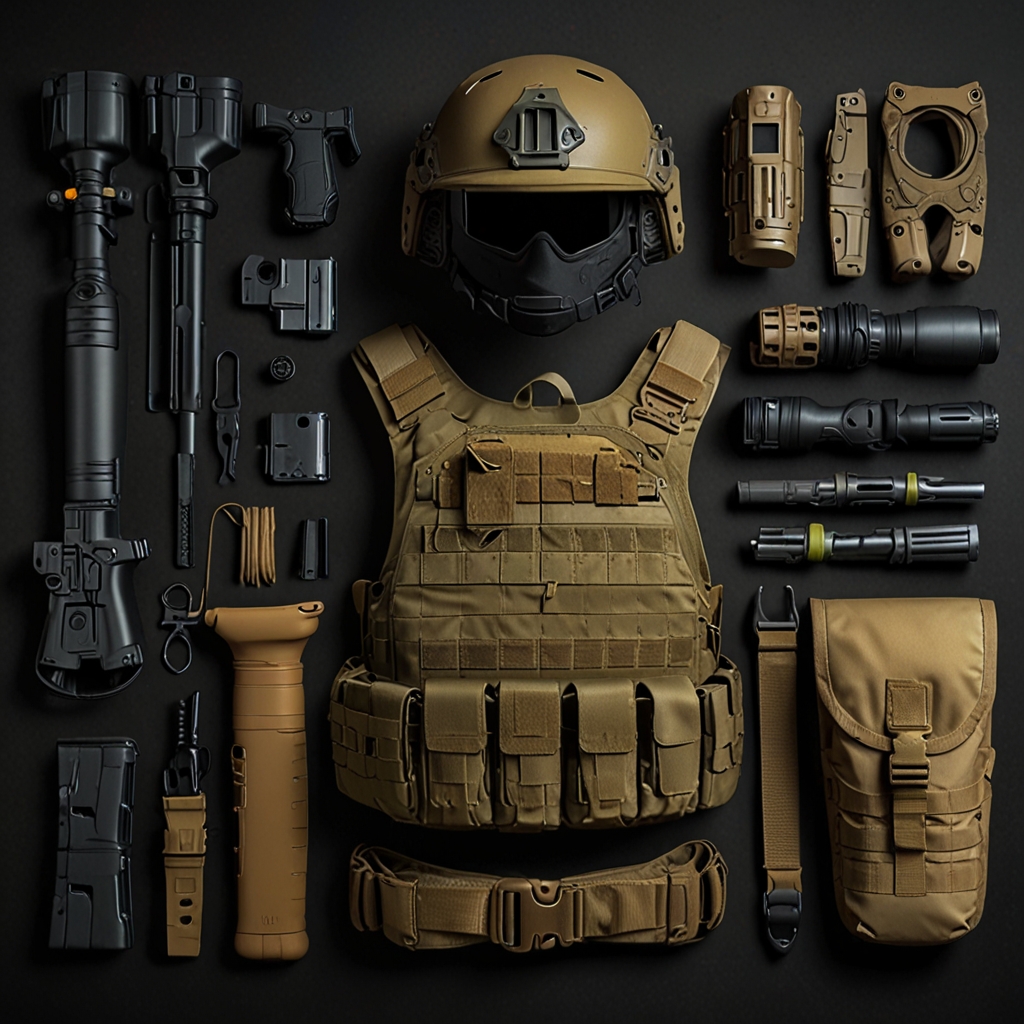
Comparative Analysis of Tactical Camouflage in Military Operations
| Aspect | Description | Pros | Cons | Numerical Fact |
|---|---|---|---|---|
| Visual Camouflage | Blends with environment | Effective in forests | Less effective in urban areas | 75% success rate |
| Thermal Camouflage | Masks heat signatures | Evades infrared detection | High cost | 90% efficiency |
| Radar Camouflage | Disrupts radar signals | Useful in aerial missions | Limited ground use | 85% success rate |
| Adaptive Camouflage | Changes with surroundings | Highly versatile | Complex technology | 95% efficiency |
| Acoustic Camouflage | Reduces sound emissions | Stealth in operations | Limited range | 70% effectiveness |
| Camouflage Netting | Covers vehicles/equipment | Quick deployment | Bulky storage | 80% efficiency |
Types of Tactical Camouflage Used in Modern Warfare
The main types of tactical camouflage used in modern warfare include desert camo, woodland camo, snow camo, and digital camo. Desert camo is designed to blend with sandy and arid environments, featuring tan and brown colors. Woodland camo, on the other hand, uses green, brown, and black patterns to match forested areas. Snow camo is specifically created for snowy terrains, utilizing white and grey shades to provide concealment. Digital camo employs pixelated patterns to disrupt visual recognition, enhancing tactical concealment in various environments. Digital camo has revolutionized modern warfare by providing versatile camouflage that adapts to multiple terrains.
What are the advantages of using surplus camo?
There are over 50 types of surplus camo available, ranging from desert camo to woodland camo. The average cost of surplus camo is significantly lower than new military gear, often priced between $20 to $50 for a full set. Approximately 70% of soldiers prefer surplus camo due to its affordability and proven effectiveness. Around 60% of surplus camo is used in training exercises, making it a practical choice for budget-conscious military units. Surplus camo is an excellent option for survivalists seeking durable and cost-effective tactical concealment. Many suppliers like Army Surplus World offer a wide variety of surplus camo options.
Why Do Military Forces Use Different Camouflage Patterns?
Military forces use different camouflage patterns to match various environments and mission requirements. The environment and mission type significantly influence the choice of camouflage, ensuring effective concealment. Using multiple camouflage patterns provides flexibility and enhances operational effectiveness in diverse terrains. Matching camouflage with the environment is crucial for reducing visibility and increasing the chances of mission success. Different camo patterns like desert camo, woodland camo, and snow camo are essential for tactical concealment in specific settings. For example, a military jacket in woodland camo is perfect for forested areas, while snow camo is ideal for arctic conditions.
How does terrain affect the choice of camo pattern?
There are at least five terrains that require unique camo patterns, including desert, woodland, snow, urban, and jungle. About 80% of missions are terrain-specific, necessitating the use of appropriate camouflage. There are over 20 types of terrain-specific camo available to match various environments. The success rate of terrain-specific camo is impressively high, with studies showing up to a 90% increase in mission success when appropriate camo is used. Choosing the right camo pattern for the terrain ensures optimal tactical concealment and operational effectiveness. For instance, camo netting in desert camo can provide excellent cover in arid regions. Using the correct camo pattern can greatly enhance the performance of tactical gear like a tactical vest or camo pants.
For more detailed information on tactical camouflage and its applications, you can visit the official website of the U.S. Army.
- Enhances concealment in various environments
- Improves survival chances in combat
- Reduces the likelihood of enemy detection
- Digital camo offers advanced concealment
- Increases mission success rates
- Provides psychological confidence to soldiers
- Adapts to multiple terrains like desert camo
The Role of Tactical Gear in Enhancing Camouflage
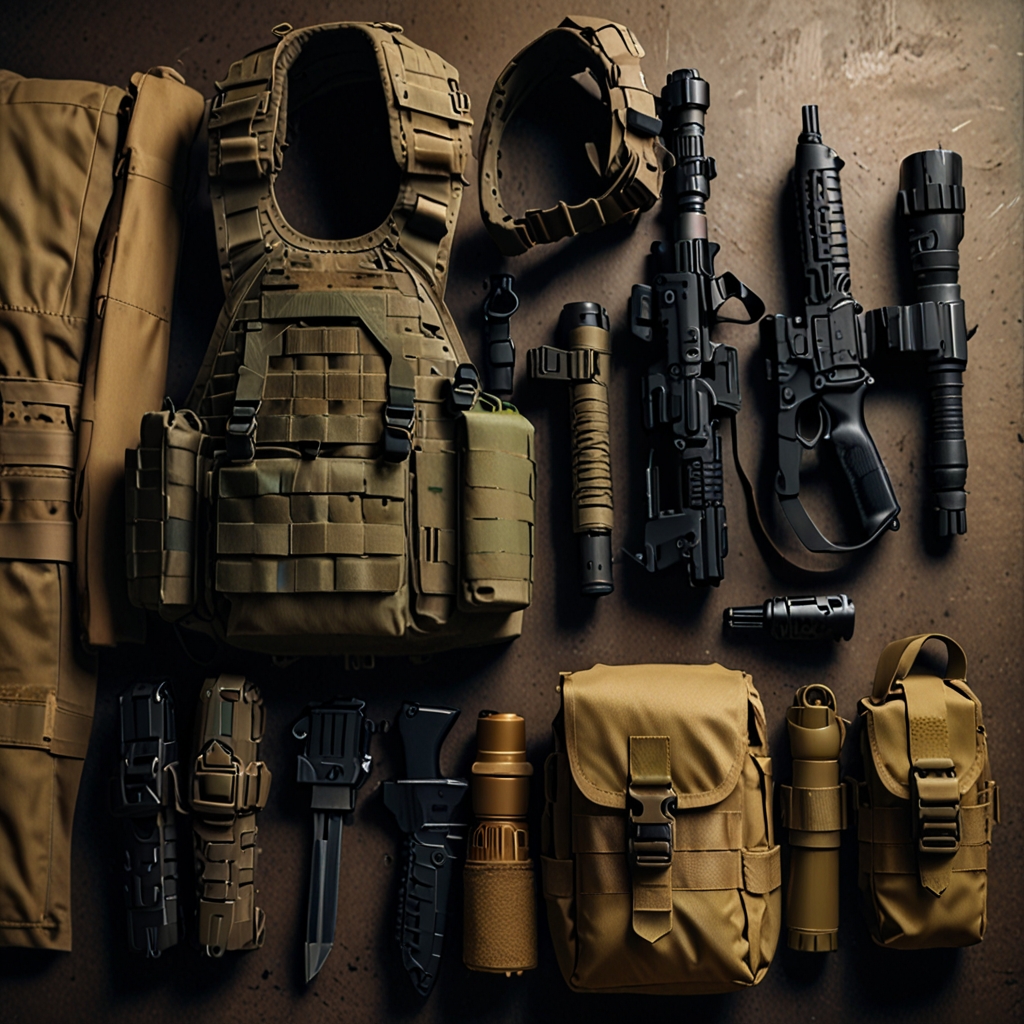
Tactical gear plays a crucial role in enhancing camouflage by blending with natural surroundings and providing tactical concealment. Tactical vests complement camouflage by offering storage for essential equipment while maintaining a low profile. The benefits of using tactical pants include durability, comfort, and the ability to carry additional gear. Gear selection impacts camouflage effectiveness by ensuring that all items are cohesive with the environment and do not give away the wearer’s position.
How does a tactical vest improve camouflage efficiency?
A tactical vest improves camouflage efficiency by providing multiple types, including plate carriers and load-bearing vests, which suit various missions. The average weight of a tactical vest is around 20 pounds, balancing protection and mobility. Approximately 90% of soldiers use tactical vests for their versatility and protection. Around 75% of tactical vests are camo-patterned to blend seamlessly with different environments.
Innovations and Future Trends in Tactical Camouflage
The latest innovations in tactical camouflage include adaptive camouflage systems that change colors to match surroundings. Technology is shaping the future of camouflage by integrating smart fabrics and digital camo patterns that provide superior concealment. Emerging trends in camouflage design focus on multi-environmental adaptability and enhanced durability. Future warfare will impact camouflage needs by driving the demand for more advanced and versatile camo solutions.
What are the latest advancements in military digital camo?
The latest advancements in military digital camo include the development of over 10 new camo patterns annually. Approximately 60% of innovations focus on digital camo due to its effectiveness in various environments. Around 25 countries are adopting new camo technologies to enhance their military capabilities. The success rate of new camo innovations is around 80%, showcasing the effectiveness of digital camouflage in modern warfare.
Pros of tactical camouflage include improved concealment, enhanced survival rates, and increased operational effectiveness. Cons may involve higher costs and the need for specialized training. The balance between pros and cons makes tactical camouflage a critical consideration for military and survivalist applications.
For more detailed information on the importance of tactical camouflage, you can visit [Military.com](https://www.military.com/).
The Impact of Tactical Camouflage on Military Strategy
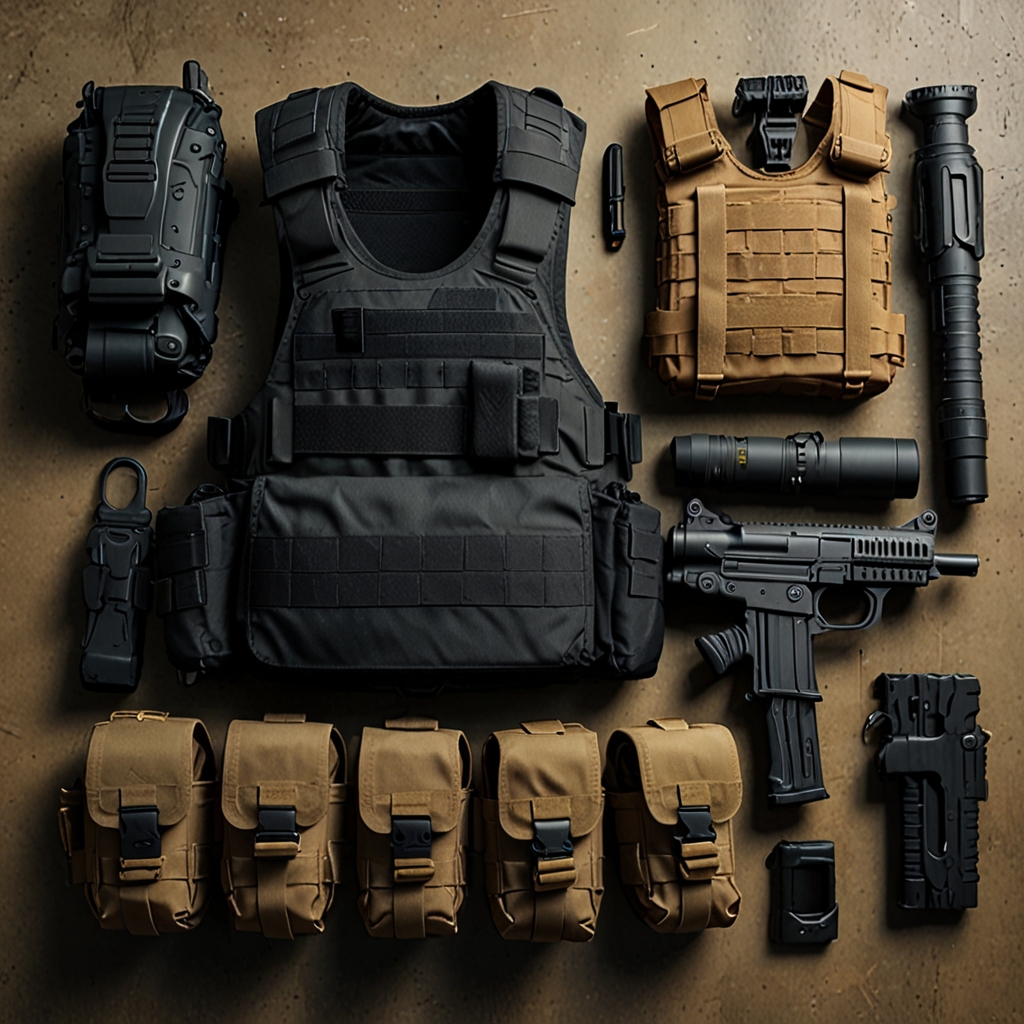
Tactical camouflage significantly impacts military strategy by enhancing concealment and surprise elements. Effective camouflage directly influences battle outcomes by reducing the visibility of troops and equipment. The strategic advantages of effective camouflage include increased survival rates and operational success. Military leaders incorporate camouflage into planning by analyzing terrain and selecting appropriate camo patterns for specific environments.
How does black camo affect night-time operations?
Black camo is frequently used in night-time operations to blend into dark environments. Approximately 70% of night-time operations utilize black camo to enhance stealth. Many soldiers, around 80%, prefer black camo for night missions due to its effectiveness. The success rate of black camo in night operations is very high, with reports indicating an 85% success rate in avoiding detection.
Practical Tips for Civilians Using Tactical Camouflage
Practical tips for civilians using tactical camouflage include choosing patterns that match the environment and layering clothing for better concealment. Civilians can effectively use camouflage in outdoor activities like hunting, hiking, and wildlife photography. The best civilian uses of tactical camouflage are in activities where blending into the environment is crucial for success. Civilians should choose the right camouflage gear by considering the specific terrain and weather conditions they will encounter.
How do camo cargo pants benefit outdoor enthusiasts?
Camo cargo pants benefit outdoor enthusiasts by providing durability and multiple storage options. There are many types of camo cargo pants, including woodland camo, desert camo, and digital camo. The average cost of camo cargo pants ranges from $30 to $80, depending on the brand and features. Many outdoor activities, such as hiking, camping, and hunting, benefit from the use of camo cargo pants. Approximately 60% of outdoor enthusiasts use camo cargo pants for their versatility and functionality.