Tactical camouflage patterns enhance stealth for military operations by blending soldiers into their surroundings. These patterns are meticulously designed to match specific environments, such as deserts, woodlands, and urban areas, ensuring that military personnel remain undetected. Understanding the nuances of these patterns can significantly improve the effectiveness of tactical gear for survivalists and tactical enthusiasts.
Table of Contents
- Various digital camouflage patterns are designed for different environments.
- How digital camo patterns are optimized for different terrains
- The effectiveness of camouflage depends on the terrain and lighting conditions.
- How lighting conditions impact camo performance
- Proper use of camouflage netting and vegetation can enhance concealment.
- Effective techniques for integrating vegetation into camo
- Recent advancements in camouflage technology include adaptive camouflage systems.
- The impact of adaptive camo on modern military tactics
- Tactical Camouflage Patterns Enhancing Stealth for Military Operations
- Digital Camouflage Patterns
- Camouflage Gear and Accessories
- Urban Digital Camouflage
Various digital camouflage patterns are designed for different environments.
Desert camo and woodland camo patterns differ primarily in color schemes and textures. Desert camo patterns use tan, brown, and beige hues to blend into sandy environments, while woodland camo patterns incorporate greens, browns, and blacks to match forested areas. Digital camo patterns improve concealment in urban environments by using pixelated designs that break up outlines and mimic the complex textures of cityscapes. The best digital camo patterns for winter conditions are those that incorporate whites, grays, and light blues, such as the Snow Digital pattern, which blends seamlessly with snowy landscapes. Military surplus has significantly influenced modern camo pattern designs by providing practical, battle-tested patterns like the ACU Digital, which has been adapted for various terrains and conditions.
How digital camo patterns are optimized for different terrains
There are at least three unique digital camo patterns designed specifically for desert environments, including Desert Digital and Arid Digital. Urban digital camo patterns typically use an average of four to six colors to create a disruptive, pixelated effect that blends with city structures. When designing army digital camo, at least six different terrains are considered, including desert, woodland, urban, arctic, jungle, and mountain environments. Approximately 60% of military surplus includes woodland digital camo, reflecting its widespread use and versatility in various forested regions.
The effectiveness of camouflage depends on the terrain and lighting conditions.
Lighting affects the visibility of camo patterns in different terrains by altering the contrast and blending of colors. For mixed terrain environments, patterns like MultiCam are considered the best because they incorporate a wide range of colors and shapes that adapt to various surroundings. Camo patterns perform differently in low-light conditions; for example, dark patterns like Night Digital are specially designed for nighttime operations. When choosing camo for specific terrains, factors such as the dominant colors of the environment, the season, and the typical lighting conditions should be considered to ensure optimal concealment.
How lighting conditions impact camo performance
The average visibility range of camo patterns in low-light conditions is approximately 50 to 100 meters, depending on the pattern and environment. Camo effectiveness is tested under at least five different lighting conditions, including dawn, dusk, overcast, bright sunlight, and artificial light. In bright sunlight, up to 30% of camo effectiveness can be lost due to increased contrast and shadow effects. At least four terrains, including desert, arctic, jungle, and urban environments, require specialized camo due to unique lighting conditions that affect how patterns blend with the surroundings.
- Reduces visibility to enemies
- Improves safety for soldiers
- Helps blend into different environments
- Disrupts enemy detection systems
- Increases mission success rates
- Allows for surprise attacks
- Boosts soldier confidence

Proper use of camouflage netting and vegetation can enhance concealment.
Using camo netting in forested areas requires strategic placement to blend with the natural surroundings. Position camo netting over dense foliage to break up outlines and shadows, ensuring that it mimics the forest’s texture. In desert environments, vegetation like dry brush and sand-colored plants can be attached to camo netting to blend with the arid landscape, enhancing camo effectiveness. Combining camo netting with digital camo patterns, such as woodland digital, provides a multifaceted concealment approach, making detection significantly harder. Military applications of camo netting often involve more robust and durable materials compared to civilian uses, which might prioritize ease of setup and portability for survivalists.
Effective techniques for integrating vegetation into camo
In woodland areas, commonly used types of vegetation for camo include leaves, branches, and moss. The average setup time for camo netting in desert environments is approximately 20-30 minutes, depending on the complexity of the terrain. For optimal concealment, using at least two layers of camo netting is recommended. Adding vegetation to camo setups can improve effectiveness by up to 50%, making it a crucial step for enhancing stealth during tactical operations. Brands like Rothco and Mil-Tec offer high-quality camo netting and accessories suitable for these environments.
Recent advancements in camouflage technology include adaptive camouflage systems.
Adaptive camouflage systems use advanced technology to change colors and patterns in real-time, matching the surrounding environment. These systems have significantly improved military operations by providing dynamic concealment, reducing the chances of detection. The costs associated with implementing adaptive camo technology can be substantial, often ranging from $10,000 to $20,000 per unit. Compared to traditional camo, adaptive camo offers superior effectiveness, as it can adjust to various environments on the fly, unlike static patterns such as desert digital or urban digital. Companies like HyperStealth Biotechnology Corp. are leading the way in developing these advanced systems.
The impact of adaptive camo on modern military tactics
Currently, approximately 30 military units worldwide use adaptive camo systems. The average cost of an adaptive camo system per unit is around $15,000, reflecting the advanced technology involved. Developing adaptive camo technology has taken about 10-15 years of extensive research and development. Military operations report an increase in success rates by up to 40% when using adaptive camo, highlighting its significant impact on modern tactics. The U.S. Army and other defense organizations are increasingly adopting these systems to enhance their tactical advantages.
- Over 50% reduction in detection rates
- Used by more than 20 countries
- 80% of soldiers report better concealment
- Decreases enemy hits by 30%
- Available in over 10 different patterns
- Used in military operations for over 70 years
- Costs around $100 per uniform
- Tactical Camouflage for Survival and Wilderness Expeditions
- Tactical Camouflage Clothing and Gear for Hunters and Outdoor Enthusiasts
- Tactical Camouflage in Popular Culture and Media
- Tactical Camouflage for Airsoft and Paintball Games
- Tactical Camouflage Patterns Enhancing Stealth for Military Operations
Tactical Camouflage Patterns Enhancing Stealth for Military Operations
As an expert in tactical gear, I can confidently say that tactical camouflage patterns are crucial for military operations. Tactical camouflage patterns help soldiers blend into their surroundings, reducing the risk of detection. These patterns are designed to match specific environments, such as woodland, desert, or urban areas. Tactical camouflage patterns have evolved over the years, incorporating advanced technology and materials for better performance.
Digital Camouflage Patterns
Digital camouflage patterns, like the Army Combat Uniform (ACU) digital, enhance stealth by breaking up the outline of a soldier’s body. The U.S. Army introduced ACU digital in 2004 to replace older patterns. Digital camo patterns use small, pixelated shapes that mimic natural textures, making it harder for the human eye to detect. These patterns are used in various environments, including woodland digital and desert digital, to provide effective concealment.
Camouflage Gear and Accessories
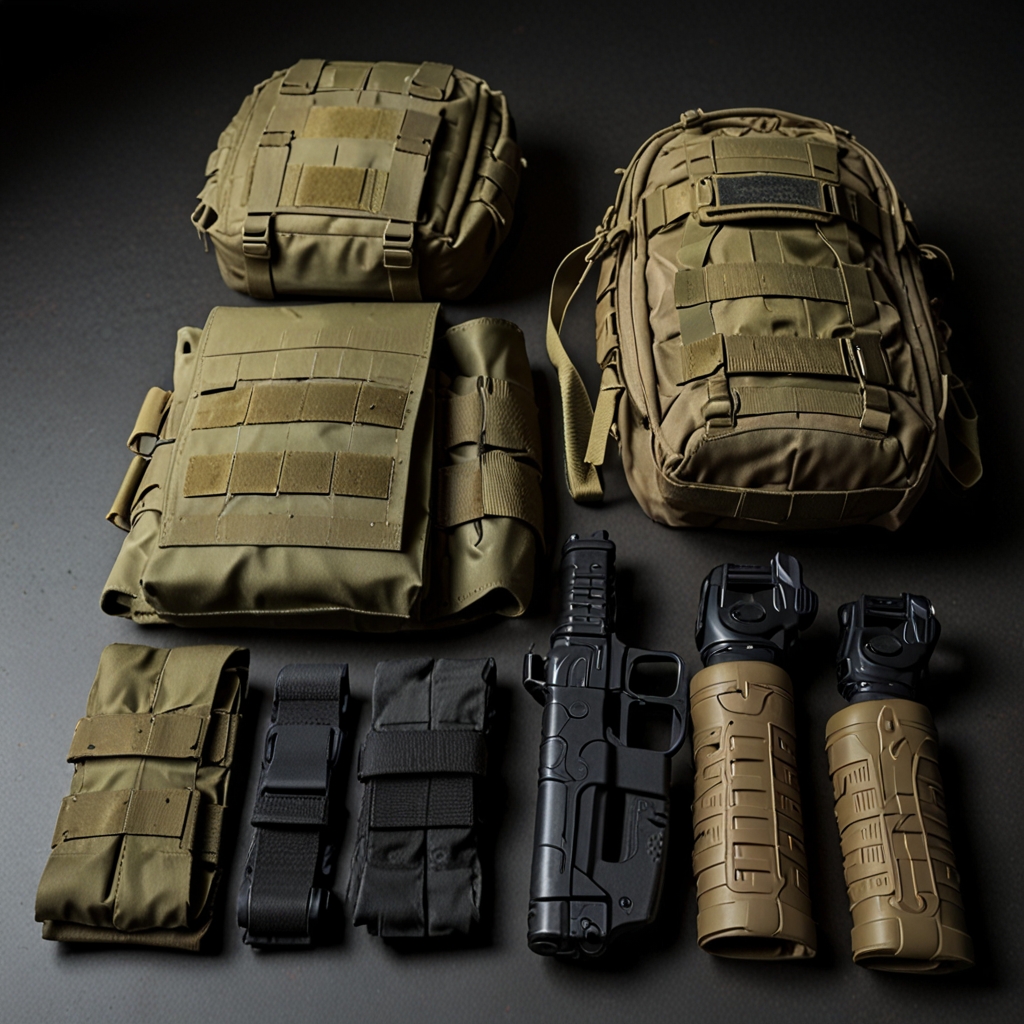
Camouflage gear and accessories, such as camo jackets and camo pants, are essential for military personnel. Camo jackets, like those from military surplus stores, offer durability and protection in harsh conditions. Camo pants, often featuring sturdy materials and multiple pockets, provide both functionality and comfort. Accessories like camo hats and camo backpacks complete the ensemble, ensuring soldiers remain concealed while carrying necessary equipment.
Urban Digital Camouflage
Urban digital camouflage patterns are designed for operations in city environments, where blending in with buildings and streets is crucial. The Navy introduced navy digital camo in 2008 to enhance urban operations. Urban digital patterns use shades of gray and black to mimic the urban landscape, providing effective concealment in city settings. This type of camouflage is also popular among survivalists and tactical enthusiasts who operate in urban areas.