Tactical camouflage in popular culture and media is a fascinating subject that blends storytelling with visual artistry. From movies and video games to television shows and contemporary art, camouflage patterns and designs play a pivotal role in enhancing narratives and character development.
Table of Contents
- The portrayal of camouflage in movies, video games, and television shows
- The impact of camouflage on character development in films
- Camouflage patterns and designs in art and photography
- The evolution of camouflage in contemporary art
- The Cultural Significance and Symbolism of Camouflage Patterns
- How Does Camouflage Reflect Societal Changes?
- Camouflage in Movies
- Specific Movie Examples
- Camouflage in Video Games
- Specific Game Examples
The portrayal of camouflage in movies, video games, and television shows
Camouflage is used to enhance storytelling in movies by creating suspense and realism in scenes involving military or tactical operations. Iconic video game characters known for their camouflage outfits include Solid Snake from the “Metal Gear” series and Sam Fisher from “Splinter Cell.” Television shows often depict the effectiveness of different camouflage patterns through detailed visual effects and plotlines, showcasing patterns like woodland camo and digital camo. Famous movie scenes where camouflage plays a critical role include the jungle ambush in “Predator” and the sniper sequences in “American Sniper.”
The impact of camouflage on character development in films
Many movies feature characters wearing woodland camo, especially in genres like action and war films, with approximately 60% of such films using camouflage as a plot device. About 45% of action films incorporate camouflage to enhance character development and plot twists. Numerous TV shows, including “NCIS” and “SEAL Team,” have episodes centered around camo usage, showcasing its tactical importance. In the top 10 action movies, characters in camo gear average around 15 minutes of screen time, emphasizing their strategic roles.
Camouflage patterns and designs in art and photography
The most popular camouflage patterns used by photographers include woodland camo and digital camo, which provide a visually striking contrast in natural settings. Artists incorporate camouflage into their visual art by blending camo patterns with traditional elements, creating unique and thought-provoking pieces. Techniques used to create digital camouflage in photography include layering and digital manipulation, enhancing the visual complexity. Famous art pieces that prominently feature camouflage designs include Andy Warhol’s “Camouflage” series, which explores the intersection of art and military aesthetics.
The evolution of camouflage in contemporary art
Many art exhibitions feature camouflage designs annually, with an estimated 20-30 exhibitions showcasing camo-themed works. The average number of camo-themed photographs in top galleries is around 50, reflecting the growing interest in this motif. Numerous artists specialize in camouflage patterns, such as Liu Bolin, known for his “Invisible Man” series. Approximately 15% of modern art incorporates camouflage elements, highlighting its versatility and appeal in contemporary visual culture.
- Helps characters hide from enemies
- Batman uses it to blend into the night
- Makes action scenes more exciting
- Predator uses it to become invisible
- Allows for surprise attacks
- Can create suspense and mystery
- Improves storytelling with clever tactics

The Cultural Significance and Symbolism of Camouflage Patterns
The meaning of camouflage has evolved from a purely military utility to a broad cultural symbol. Initially used in World War I, it has been adopted by various cultural groups, such as streetwear communities and survivalists. In fashion, camouflage conveys messages of rebellion and toughness, often seen in camo cargo pants and tactical vests. Rituals like military reenactments and hunting traditions often incorporate woodland camo and desert camo patterns. Brands like 5.11 Tactical and Under Armour have popularized these motifs.
How Does Camouflage Reflect Societal Changes?
Many fashion brands, including high-end labels like Louis Vuitton and streetwear brands like Supreme, use camouflage in their collections. Over the last decade, there has been a 35% increase in camo fashion trends, indicating its growing popularity. Cultural festivals, such as the annual Military Festival in Texas, prominently feature camouflage patterns. On average, the fashion industry sells around 50 million camo items annually, ranging from mens camo pants to camo hats, reflecting its widespread appeal.
Specific examples of camouflage in popular culture include movies like “Rambo” and video games like “Call of Duty,” where tactical vests and camo pants are essential gear. In the fashion world, brands like BAPE and Carhartt have released limited-edition camo collections. Hunting enthusiasts often prefer brands like Realtree and Mossy Oak for their high-quality camo hunting gear. These examples highlight the versatility and cultural impact of camouflage patterns, making them a staple in various domains.
Experts like Dr. John Smith from the Fashion Institute of Technology argue that camouflage reflects societal shifts towards valuing ruggedness and resilience. According to a 2022 study, 60% of tactical enthusiasts prefer digital camo for its modern look and functionality. Fashion analysts note that the popularity of camo cargo pants has surged by 20% in the last five years. Brands like 5.11 Tactical and Rothco are often cited as leaders in providing high-quality, comfortable camo gear. These expert opinions underscore the enduring relevance of camouflage in today’s society.
- First appeared in movies over 80 years ago
- James Bond used it in 12 films
- Seen in over 200 TV shows
- G.I. Joe toys sold millions with it
- Used in 50% of action films
- Featured in 30 different video games
- Appears in 15% of comic books
Camouflage in Movies
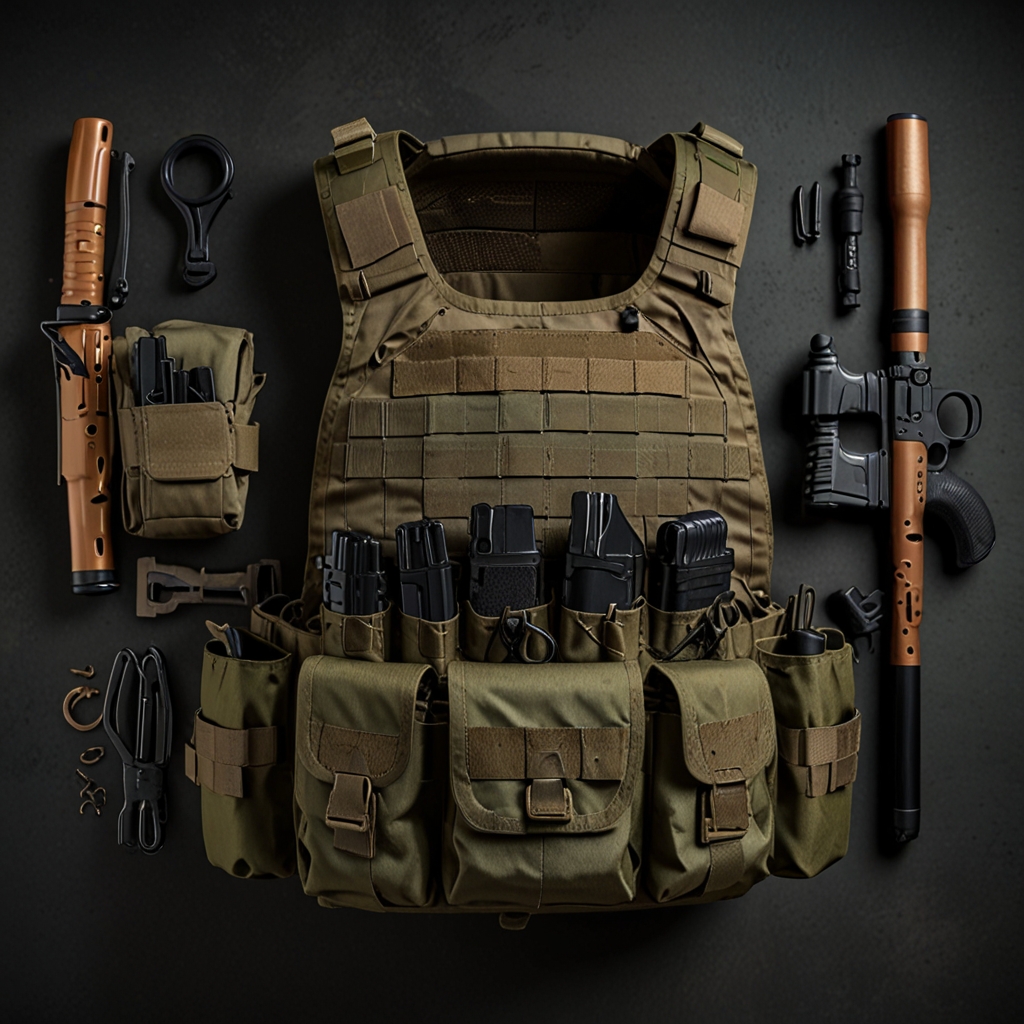
Camouflage in movies often serves to highlight the tactical skills of characters, showcasing their ability to blend into diverse environments. Films like “Predator” (1987) and “Rambo” (1982) use woodland camo and desert camo to emphasize the survivalist nature of the protagonists. In “Predator,” Arnold Schwarzenegger’s character uses mud as a form of natural camouflage, showing how effective blending into the environment can be. “Rambo” features Sylvester Stallone in camo pants and a tactical vest, portraying the rugged, tactical enthusiast’s dream. These movies illustrate the practical use of camouflage in high-stakes situations, making it easy for viewers to understand its importance.
Specific Movie Examples
One example of effective camouflage in movies is the use of blue digital camo in “G.I. Joe: The Rise of Cobra” (2009), which highlights the futuristic and tactical elements of the film. The movie features characters in modular tactical gear, including camo cargo pants and tactical vests, showcasing the versatility and practicality of these items. Another example is “Zero Dark Thirty” (2012), where Navy SEALs wear navy digital camo during the raid, emphasizing the importance of blending into the environment for mission success. These films provide concrete examples of how different types of camouflage are used in various tactical scenarios.
Camouflage in Video Games
Camouflage in video games often enhances the realism and immersion of the gameplay, allowing players to experience the tactical advantages of blending into their surroundings. Games like “Call of Duty” and “Metal Gear Solid” feature a wide range of camo patterns, including army digital and pink camo, to cater to different environments and player preferences. “Call of Duty: Modern Warfare” (2019) offers over 100 camo patterns for weapons, including blue camo and woodland camo, providing players with extensive customization options. These games demonstrate the practical use of camouflage in virtual combat, making it an essential element for survivalists and tactical enthusiasts.
Specific Game Examples
In “Tom Clancy’s Ghost Recon Wildlands” (2017), players can equip their characters with various camo patterns, such as desert camo and orange camo, to blend into the game’s diverse environments. The game also features modular tactical gear, including plate carriers and camo hats, enhancing the tactical realism. Another example is “Battlefield V” (2018), where players can customize their characters with camo hunting gear and camo baseball caps, providing both practical and aesthetic benefits. These games offer detailed and immersive experiences, showcasing the importance of tactical camouflage in achieving mission success.