A tactical backpack should typically weigh between 2 lbs and 5 lbs when empty, depending on the intended use case. Selecting a weight within these ranges ensures the bag provides necessary durability without becoming a burden during transport.
Recommended Weight for Tactical Backpacks by Use Case
| Use Case | Recommended Weight | Why this number |
|---|---|---|
| Daily Commute/Urban | 1.5 – 2.5 lbs | Minimizes fatigue during frequent transitions and maximizes mobility in crowded spaces. |
| Day Hiking/Training | 2.5 – 4 lbs | Provides enough material for reinforced stitching and MOLLE webbing without excessive bulk. |
| Multi-Day Trekking | 4.5 – 7 lbs | Requires heavy-duty materials and internal framing to support sustained weight loads. |
| Specialized Professional | 3 – 5 lbs | Balances the need for specialized compartments with the requirement for rapid deployment. |
Tactical Backpacks covered by our own reviews
These 3 have their own full review on this site, and run from $129.99 to $329.95.

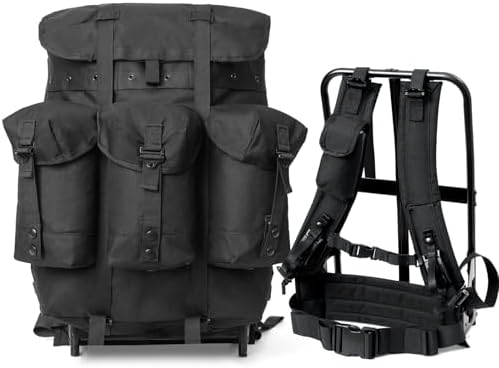
MT Military Alice Pack
$129.99 price checked August 2026
If you are shorter or have a smaller build, see tactical backpacks designed for small frames and day use.

What Happens if You Under-Provision or Over-Buy Weight?
Under-provisioning in weight often leads to a failure in material integrity. If a backpack weighs significantly less than its category average, the manufacturer likely used lower denier nylon or thinner zippers to reduce costs.
Professionals who need to transport electronics should view the best tactical backpack for carrying a laptop.
Risk of Material Shear
Low-denier fabrics lack the tensile strength to resist material shear. When you load a lightweight bag beyond its intended capacity, the fabric can tear at stress points like the shoulder straps or the base of the pack.
Zipper Pull-Strength Issues
Lighter weight often correlates with non-industrial zippers. These may lack the pull-strength required to keep the bag closed when fully packed, leading to accidental spills or compromised security of the contents.
Over-buying weight creates a different set of practical problems. A backpack that weighs 8 lbs or more while empty adds unnecessary “dead weight” to your load before you have even placed a single item inside.
The Cost of Dead Weight
Every extra pound of empty bag weight is a pound of gear you cannot carry. Over-buying weight reduces your overall carrying capacity and increases the physical strain on your shoulders and lower back during long periods of movement.
Reduced Agility
Excessive weight in the bag’s construction can make the pack feel cumbersome. A heavy bag is harder to maneuver through tight spaces, making it less effective for the rapid movement often required in tactical or high-activity environments.
What is the Biggest Mistake Buyers Make with Weight?
The most common mistake is equating a lower weight with higher quality. While a lighter bag is easier to carry, a bag that is too light for its intended use will fail prematurely under load.
The Durability Trade-off
Manufacturers often achieve extreme weight savings by removing internal reinforcements. If you need to carry heavy gear, a lightweight bag will lack the structural support needed to keep the load stable against your back.
Once you know the weight limits, learn how to select the right capacity for tactical backpacks.
Optimizing for Load Stability
Instead of focusing solely on the weight of the empty bag, you should optimize for load distribution and weight capacity. A bag that weighs 4 lbs but can carry 50 lbs effectively is a better tool than a 2 lb bag that can only safely hold 15 lbs.
How Weight Interacts with Other Deciding Specs
Weight in a tactical backpack is intrinsically linked to the materials used and the amount of MOLLE/PALS webbing included in the design.
MOLLE Webbing Density
The amount of MOLLE webbing directly impacts the weight of the pack. High-density webbing allows for modular attachments but adds weight to the exterior. If you need to attach many pouches, you must accept a slightly higher base weight to ensure the webbing is securely anchored.
Fabric Denier and Durability
The denier of the nylon determines the balance between weight and abrasion resistance. Higher denier fabrics provide the durability needed to prevent material shear but increase the overall weight. For tactical use, a mid-to-high denier is usually required to survive repeated friction and heavy loads.
Internal Frame vs. Frameless
The presence of an internal frame is a major weight factor. Frameless bags are lighter and more flexible but offer less support for heavy loads. If your gear exceeds 30 lbs, an internal frame—which adds significant weight to the empty bag—is necessary to prevent the load from shifting and causing shoulder strain.
Standardized Hardware
Using industry-standard YKK zippers ensures reliability but adds weight compared to generic alternatives. When evaluating weight, look for the presence of these standards, as they indicate the bag is built to handle the stresses of a full load rather than just looking the part.
The other Tactical Backpack guides we have published
- The Tactical Backpacks That Work Best for Hiking and Camping Under $300
- Which Military Style Backpack Is Best for Travel?
- Best Tactical Daypacks for Range Shooting
- MOLLE Backpacks for Heavy Gear Compared
- Choosing the Best Tactical Backpack for Hiking and Outdoor Survival Under $300
- The Tactical Backpacks That Work Best for Small Frames and Day Use