A range bag is a specialized storage container designed to organize, transport, and protect firearms, ammunition, and related accessories during trips to a shooting range. It serves as a mobile workstation that keeps gear separated and accessible, ensuring that components do not shift or mingle during transit. By providing a dedicated space for each type of equipment, a range bag prevents the risks associated with carrying loose items in a standard backpack or trunk.
The primary problem a range bag solves is the logistical friction of preparing for a shooting session. Without a dedicated bag, shooters often face “ammo migration,” where loose rounds mix with tools or become difficult to retrieve from a cluttered bag. It also addresses the risk of equipment damage; a range bag provides a cushioned environment that protects sensitive optics and electronics from impacts. By centralizing all necessary gear into one durable unit, it eliminates the need to carry multiple separate cases, making the transition from vehicle to firing line more efficient.
How Does a Range Bag Work?
A range bag works by utilizing internal compartmentalization and load-bearing structures to organize gear into specific zones. The process of using a range bag follows a specific progression of organization and transport:
- Staging: The user places heavy items, such as magazines and heavy tools, in the bottom of the bag to create a stable center of gravity.
- Separation: Ammunition is placed in dedicated pouches or internal dividers to prevent rounds from moving into other compartments.
- Padding: Sensitive items like optics or electronics are placed in reinforced sections to absorb shocks during movement.
- Transit: The bag uses reinforced handles and shoulder straps to distribute the weight of the gear across the user’s body or a vehicle seat.
- Deployment: The bag opens to provide a flat surface or accessible interior, allowing the user to quickly grab the specific component needed for the next drill.
Range Bags we have reviewed in detail
Prices across these 3 run from $130.56 to $161.99; each one has a full review here.
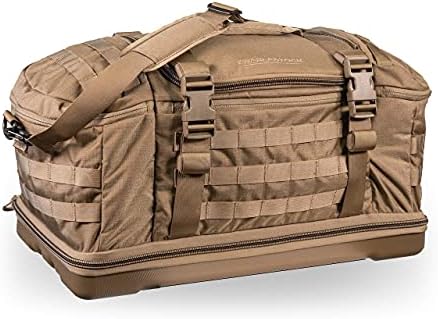

G.P.S. Large Range Bag with Lift Ports
New shooters can find a budget range bag for beginners under $130 to get started without overspending.
$130.56 price checked August 2026

Parts and Features That Matter to a Buyer
Several specific components determine how well a range bag performs under the weight of heavy equipment.
If you are confused by technical jargon, view our range bag terms and specs explained for a clearer understanding.
Internal Compartmentalization and Dividers
Internal compartmentalization refers to the physical walls or pockets inside the bag. High-quality dividers prevent “ammo migration,” which occurs when loose rounds move between sections and mix with other gear. Effective dividers ensure that a magazine can be pulled out without the contents of the adjacent pocket shifting.
Hardware Standards and Zippers
Hardware standards refer to the quality of the fasteners and attachment points. The industry standard for heavy-duty hardware is the YKK zipper, which prevents teeth from separating under the tension of a fully loaded bag. Using inferior zippers can lead to a zipper failure, where the teeth split or tear under the weight of heavy ammunition or tools.
Webbing and Attachment Points
Webbing refers to the nylon straps used for carrying or attaching external gear. MOLLE/PALS webbing is the standard for modularity, allowing a user to attach additional pouches or hydration carriers. This allows the bag to expand its functionality based on the specific needs of the day’s activity.
Base Construction and Reinforcement
Base construction involves the reinforcement of the bottom of the bag. A common failure mode is the bottom seam blowout, which happens when a bag is carried by its handles while fully loaded. A reinforced base ensures the weight is distributed across the fabric rather than concentrated on a single seam.
What Having a Range Bag Changes in Practice
Having a range bag changes the experience of the shooting range by streamlining the preparation and cleanup phases. In a practical sense, a user can move from their vehicle to the firing line and have every necessary magazine, tool, and cleaning kit in one place. This reduces the time spent searching through a trunk or multiple small cases, which can be a point of frustration in high-traffic environments.
The difference shows up most clearly when transporting heavy loads. A well-structured bag allows for a balanced carry, where the weight of the ammunition does not cause the bag to tip or swing awkwardly. However, the difference is less noticeable in situations where only a single firearm and a few rounds are being transported; in those cases, a smaller, less-specialized bag may offer similar utility. The real advantage of a dedicated range bag is realized when the volume of gear exceeds what can be comfortably carried in a standard backpack.
Who Needs a Range Bag?
A range bag is necessary for individuals who transport multiple firearms, large quantities of ammunition, or a wide array of accessories like optics, lights, and cleaning kits. It is particularly useful for those who frequently travel to different ranges and need a portable, organized system that can be quickly packed and unpacked.
A range bag is not necessary for shooters who only transport a single firearm and a few magazines, or for those who primarily shoot at a home range where gear can be kept in a stationary storage system. If the volume of gear does not require internal organization or specialized load-bearing handles, a simpler transport method may be sufficient.