External dimensions for a range bag refer to the total height, width, and depth of the bag’s exterior when fully constructed. Your specific requirements for these measurements depend entirely on the volume of gear you carry and the transport methods you use.
Which range bag size fits my needs?
| If this is you | The External Dimensions that suits you | Why |
|---|---|---|
| You carry a single handgun and 2-3 magazines for personal defense. | 12 in to 15 in length | Smaller dimensions allow for a compact footprint that fits easily into a vehicle’s glove box or small storage cubby. |
| You transport a primary rifle, a sidearm, and several spare magazines. | 18 in to 24 in length | These dimensions provide the necessary clearance for a full-length rifle while maintaining a manageable width for transport. |
| You are a competitive shooter who transports multiple rifles and high-volume ammunition. | 26 in to 32 in length | Larger dimensions accommodate long-barreled rifles and the weight of heavy ammunition loads without overstuffing the main compartment. |
| You need to store a wide variety of tools, gear, and heavy equipment in one unit. | 30+ in length | Maximum dimensions are required when the bag serves as a primary storage hub rather than just a transport vessel. |
Range Bags we have reviewed in detail
3 reviewed options, $130.56 to $161.99, with the full write-up behind each name.

Vertx A-Range Bag
$161.99 price checked August 2026
Read our full Vertx A-Range review
If you are heading into the field, see our top picks for outdoor shooting to find a durable bag for your needs.
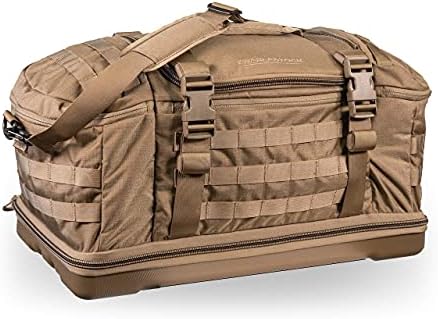

G.P.S. Large Range Bag with Lift Ports
$130.56 price checked August 2026
New shooters should start by learning what a range bag is and how it works before making a purchase.
How do I measure the correct range bag dimensions?
To establish your required dimensions, you must measure your largest piece of equipment and the total volume of your accessories. Use a standard tape measure to record the length, width, and height of your primary rifle or equipment piece, ensuring you include the barrel length or any protruding parts.
Measuring your primary equipment
Measure the longest dimension of your primary firearm. If you use a rifle with a collapsible stock, measure it in the collapsed position to determine the minimum internal clearance needed. Add at least 2 inches to this measurement to account for the bag’s wall thickness and padding.
Reading manufacturer specifications
External dimensions are usually listed in the product description as “L x W x H” or “Length x Width x Height.” These numbers represent the outermost measurements of the bag. Always verify if the measurements include the handles or straps, as these can add 2 to 4 inches to the height or width.
What happens if the dimensions are wrong?
Incorrect external dimensions result in specific functional failures during use. If the bag is too small for your gear, you risk damaging your equipment or the bag’s construction.
You might also consider exploring different alternatives to a standard range bag if you need a different storage solution.
Risks of a bag that is too small
When a bag’s dimensions are insufficient for the contents, the primary failure mode is a compromised zipper. Forcing a rifle or large gear into a bag that is too small puts extreme stress on the teeth of the zipper, leading to a split or permanent misalignment. This can leave your gear exposed or make the bag impossible to close.
Risks of a bag that is too large
A bag with dimensions that are too large for your needs creates a logistical problem during transport. If the bag is significantly larger than your gear, the contents will shift and migrate during movement. This “ammo migration” or gear shifting can lead to items becoming inaccessible or striking the interior walls of the bag, potentially causing wear on the interior lining.
What do I do if I fall between two sizes?
If your measurements place you between two standard size categories, you should prioritize the larger dimension. Choosing the larger size ensures that the contents can fit without straining the hardware, while a bag that is slightly too large can be managed by internal organization.
Using dividers to manage extra space
If you choose a larger bag to ensure a proper fit, use internal dividers to secure your gear. Dividers prevent the contents from shifting, effectively “shrinking” the usable space to match your gear’s dimensions. This prevents the internal movement that occurs in oversized bags.
Checking vehicle clearance
Before choosing the larger size, confirm that the external dimensions will fit in your primary transport vehicle. Measure the trunk or cargo area where the bag will sit. If the larger bag exceeds your vehicle’s clearance, you must opt for the smaller dimension and prioritize a more compact gear configuration.