The primary goal of purchasing flashlight batteries is to ensure a reliable, high-output power source for illumination during low-light activities or emergencies. While buying a dedicated stock of replacement batteries is the standard path, it is not the only way to achieve consistent light. Depending on your frequency of use and your specific needs for portability or power, there are several alternative routes that can provide the same results without the commitment of long-term battery ownership.
Can I use a portable power station for flashlight batteries?
A portable power station provides a way to power flashlights via a direct AC outlet or a DC port without needing individual flashlight batteries.
This route works by moving the power source from a small, replaceable cell to a large, rechargeable internal battery. You connect a flashlight that accepts a DC input or a standard plug into the station. This removes the need to manage, charge, and store dozens of individual flashlight batteries.
Using a power station is often more cost-effective for high-drain applications, such as lighting a large workspace or a campsite for hours. Because the power station has a much larger capacity than a standard AA or AAA battery, it can provide consistent brightness for longer periods. This alternative beats buying flashlight batteries when you need high-wattage output that would otherwise drain small cells in minutes.
This option stops making sense when you need to carry a lightweight, handheld light in a pocket or small bag. Power stations are bulky and heavy, making them impractical for personal carry where the portability of a battery-operated light is the priority.
Where these choices show up in our reviews
3 reviewed options, $119.95 to $244.99, with the full write-up behind each name.


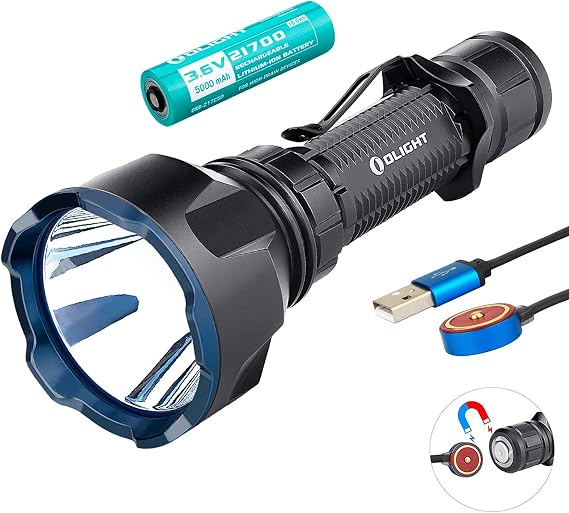
Can I use a power bank for flashlight batteries?
A power bank allows you to run a flashlight using a USB connection rather than traditional flashlight batteries.
This setup requires a flashlight with a built-in rechargeable battery and a USB charging port. Instead of swapping out flashlight batteries, you plug the light into a standard portable power bank. This converts the flashlight into a device that draws power from a large lithium-ion reservoir.
This route is often cheaper over time because it eliminates the recurring cost of buying replacement flashlight batteries. It is an excellent choice for hikers or travelers who already carry a power bank to charge phones. It beats buying flashlight batteries when you want a “set and forget” system where you only worry about recharging the main hub once a day.
The use of a power bank stops making sense if your flashlight is an older model that only accepts standard disposable or primary cells. If the light does not have a USB-C or micro-USB input, you cannot use this alternative without replacing the light itself.
Should I buy refurbished flashlights with built-in batteries?
Buying refurbished flashlights with integrated lithium-ion batteries is an alternative to purchasing separate flashlight batteries.
In this scenario, the power source is built into the housing of the light. By purchasing a refurbished unit, you acquire a device that has already been tested and cleared for use, often at a lower price point than a new unit. This shifts the cost from “consumable” batteries to a “one-time” hardware purchase.
This route is highly effective for budget-conscious shoppers who want a reliable light but do not want to deal with the ongoing expense of a battery supply. It beats buying flashlight batteries when you prefer a single, high-quality tool that maintains a constant charge. It is often the most economical way to get a high-lumen output without a recurring overhead.
This option stops making sense if you require a specific battery chemistry, such as alkaline or NiMH, for specialized gear. Integrated batteries are usually lithium-ion, which may not be compatible with certain specialized tactical mounts or heavy-duty industrial housings.
Comparison of Power Alternatives
| Route | Who it suits | Main advantage | Where it breaks down |
|---|---|---|---|
| Buying Flashlight Batteries | Users needing modularity or specific chemistries | Universal compatibility | Recurring cost and maintenance |
| Portable Power Station | Stationary use or high-wattage lighting | High output duration | High weight and bulk |
| Power Bank & USB Light | Hikers and mobile users | Convenient charging | Requires USB-compatible light |
| Refurbished Integrated Lights | Budget-first shoppers | Lower upfront cost | Fixed power source |
When is buying flashlight batteries the right choice?
Buying flashlight batteries is the correct choice when you require a modular system where the power source can be swapped quickly between different devices.
If you own multiple types of equipment—such as a headlamp, a handheld torch, and a work light—that all share the same battery size, purchasing a stock of those batteries is more efficient than buying individual power sources for each. This is also the correct choice when you need a “fail-safe” backup; having a physical battery ready to swap in provides a level of reliability that a depleted power bank or a dead internal battery cannot offer.
Furthermore, if your specific use case requires a specific chemistry—such as 1.5V alkaline for low-drain sensors or NiMH for high-drain pulses—buying the specific flashlight batteries is the only way to ensure your equipment functions as designed. If you need to swap power sources in seconds without looking for a cable, owning the batteries is the superior path.
More Flashlight Battery explainers and comparisons
- Choosing the Best Flashlight Batteries for Compact Tactical Lights
- The Rechargeable Flashlight Batteries That Work Best for Outdoor Use
- Which Flashlight Batteries Are Best for High Lumen Output?
- Best Rechargeable Flashlight Batteries for Duty Use
- Affordable Flashlight Batteries Under $200 Compared
- Which Rechargeable Flashlight Batteries Are Best for Night Vision?