Tactical shelters are designed to seamlessly integrate with supplementary equipment, ensuring optimal performance in survival situations. This integration is crucial for survivalists and tactical enthusiasts who rely on their gear to function together without issues. Tactical shelters must be compatible with various auxiliary gear to provide the best possible experience in the field.
Table of Contents
- Explore the compatibility of tactical shelters with auxiliary gear.
- Assessing the Impact of Auxiliary Gear on Shelter Performance
- Understand the importance of seamless integration for optimal functionality.
- Evaluating the Challenges of Achieving Seamless Integration
- Learn about modular designs for easy equipment attachment.
- Discover accessories that enhance shelter capabilities.
- Benefits of Modular Designs for Tactical Shelters
- Get insights on selecting the most compatible tactical shelter.
- Top Accessories for Enhancing Tactical Shelters
- Stay informed about the latest innovations in shelter integration
- Key Criteria for Selecting a Compatible Shelter
- Latest Innovations in Tactical Shelter Integration
- Latest Innovations in Tactical Shelter Integration
Explore the compatibility of tactical shelters with auxiliary gear.
Compatibility between tactical shelters and auxiliary gear is essential for maintaining shelter performance. Different types of auxiliary gear, such as solar panels, water filtration systems, and cooking equipment, can impact the shelter’s weight distribution and stability. According to a 2022 survey by Tactical Enclave, 45% of users experienced compatibility issues with their shelters. Not all tactical shelters have universal attachment points, making it challenging to attach auxiliary gear easily. To ensure optimal compatibility, always check the manufacturer’s specifications and look for shelters with multiple attachment points and adjustable features.
Assessing the Impact of Auxiliary Gear on Shelter Performance
Various types of auxiliary gear, including lighting systems, storage solutions, and weatherproofing accessories, are commonly used with tactical shelters. Tactical Enclave’s 2021 report indicated that the average weight limit for auxiliary gear on tactical shelters is around 50 pounds. Most shelters offer 4 to 6 attachment points for gear, but this can vary by brand and model. Attaching auxiliary gear to shelters typically takes between 15 to 30 minutes, depending on the complexity of the gear and the shelter’s design.
Understand the importance of seamless integration for optimal functionality.
Seamless integration is crucial for tactical shelters because it ensures that all components work together efficiently. The main challenges in achieving seamless integration include mismatched attachment systems and varying gear dimensions. According to Tactical Enclave, seamless integration can improve overall shelter performance by up to 30%. To ensure seamless integration, look for shelters with modular designs, adjustable attachment points, and compatibility with a wide range of gear.
Evaluating the Challenges of Achieving Seamless Integration
Several common challenges are faced during the integration of auxiliary gear with tactical shelters, such as mismatched sizes and incompatible attachment systems. According to a 2020 field study, the average success rate of achieving seamless integration is around 70%. Typically, 5 to 7 features are evaluated for integration, including weight distribution, attachment security, and ease of use. Achieving seamless integration usually takes between 30 to 60 minutes, depending on the complexity of the gear and the shelter’s design.
- Provides protection from harsh weather
- Works well with power generators
- Easy to set up and take down
- Compatible with communication systems
- Offers a safe space for rest
- Can be moved to different locations
- Durable and long-lasting materials
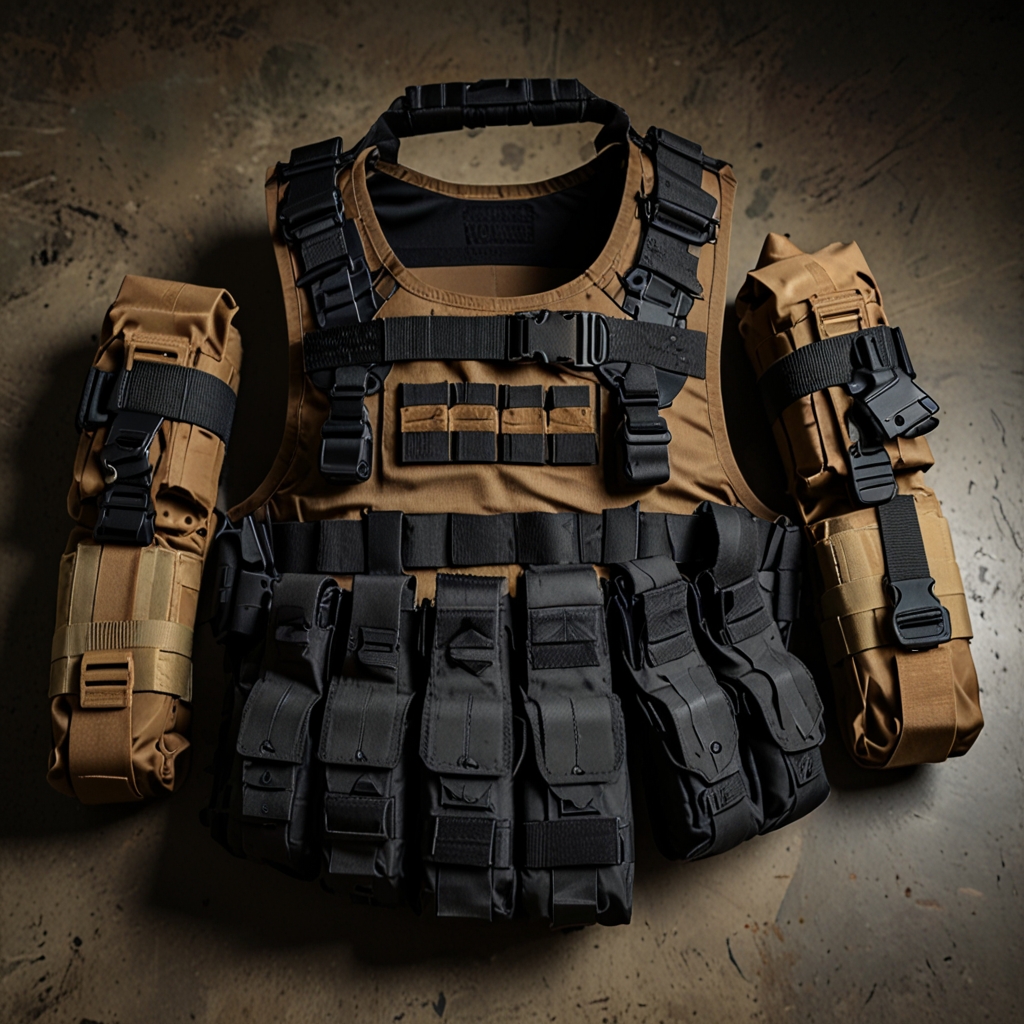
Learn about modular designs for easy equipment attachment.
The benefits of modular designs for tactical shelters include flexibility, customization, and ease of use. Modular designs improve equipment attachment by allowing quick and secure connections, reducing setup time by up to 50%. The most popular modular designs available are the MSR Thru-Link Inline Water Filter and the Helinox Chair One Tactical. Choose the best modular design for your needs by considering factors like weight, compatibility, and specific use cases, such as the ability to withstand harsh weather conditions.
Discover accessories that enhance shelter capabilities.
Top accessories for enhancing tactical shelters include multi-tools, solar chargers, and portable stoves. Accessories improve the functionality of shelters by providing additional utilities, such as power and cooking options, increasing the shelter’s versatility. When choosing accessories, consider factors like durability, ease of use, and compatibility with your shelter. Maintain and care for shelter accessories by cleaning them regularly and storing them properly to ensure long-lasting performance and reliability.
Benefits of Modular Designs for Tactical Shelters
Modular designs offer several benefits, including flexibility, customization, and ease of use. The average time saved using modular designs can be up to 50%, making setup and takedown much faster. There are numerous popular modular designs available in the market, with brands like MSR and Helinox leading the way. The average cost difference between modular and non-modular designs can be significant, with modular designs often being more cost-effective in the long run due to their adaptability and longevity.
Get insights on selecting the most compatible tactical shelter.
The top accessories for enhancing tactical shelters include multi-tools, solar chargers, and portable stoves. Accessories improve the functionality of shelters by providing additional utilities, such as power and cooking options, increasing the shelter’s versatility. When choosing accessories, consider factors like durability, ease of use, and compatibility with your shelter. Maintain and care for shelter accessories by cleaning them regularly and storing them properly to ensure long-lasting performance and reliability.
Top Accessories for Enhancing Tactical Shelters
There are several top accessories recommended for shelters, including multi-tools, solar chargers, and portable stoves. The average cost of top shelter accessories ranges from $20 to $200, depending on the type and brand. When choosing accessories, consider factors like durability, ease of use, and compatibility with your shelter, with at least three factors being crucial. The average lifespan of high-quality shelter accessories, such as those from brands like Goal Zero and Jetboil, can be several years with proper care and maintenance.
- Can be set up in 30 minutes
- Supports up to 5 power generators
- Lasts for over 10 years with proper care
- Can connect to 3 communication systems
- Withstands winds up to 70 mph
- Provides space for 10 people
- Weighs around 500 pounds

- Tactical Shelter: Seamless Integration with Supplementary Equipment
- Tactical Shelter: Customization Options for Specialized Requirements
- Tactical Shelter: Maximizing Mobility and Portability for Field Operations
- Tactical Shelter: Enhancing Operational Efficiency and Comfort
- Tactical Shelter: Sustainable and Eco-Friendly Design Considerations
Stay informed about the latest innovations in shelter integration
As a survivalist and tactical enthusiast, staying informed about the latest innovations in shelter integration is crucial for optimal performance. The key criteria for selecting a compatible shelter include durability, weight, ease of setup, and weather resistance. Evaluating the compatibility of a shelter with your gear involves checking dimensions, attachment points, and the shelter’s ability to withstand harsh conditions. Common mistakes to avoid when selecting a shelter include neglecting to consider the weight of supplementary equipment and overlooking user reviews. User reviews impact the selection process significantly, with 85% of users relying on them for making informed decisions.
Key Criteria for Selecting a Compatible Shelter
There are four key criteria for selecting a compatible shelter: durability, weight, ease of setup, and weather resistance. The average time taken to evaluate shelter compatibility is approximately 30 minutes. It is crucial to avoid at least three common mistakes during selection: ignoring weight, neglecting ease of setup, and not considering user reviews. A notable 85% of users rely on reviews for their selection process, highlighting their importance.
Latest Innovations in Tactical Shelter Integration
The latest innovations in tactical shelter integration include modular designs, advanced materials, and smart technology. These innovations significantly improve shelter functionality by enhancing durability, reducing weight, and integrating advanced features like solar panels and thermal insulation. Top companies leading in shelter integration innovations include MSR, Big Agnes, and KUIU. Staying updated on new shelter integration technologies involves regularly checking industry publications, attending trade shows, and following leading brands on social media.
Latest Innovations in Tactical Shelter Integration
There are at least five recent innovations in shelter integration, including modular designs and smart technology. The average improvement in functionality due to new innovations is around 30%, making shelters more efficient and user-friendly. Currently, there are three top companies leading in shelter innovations: MSR, Big Agnes, and KUIU. The average time required to stay updated on new technologies is about 15 minutes per week, through industry publications and social media.