Anyone searching for “The Comprehensive Guide to Tactical Shelter and Survival Systems” would expect to find detailed information on various types of tactical shelters, their components, and their uses. This guide aims to provide in-depth insights into tactical shelter systems, including materials, durability, and manufacturers.
Table of Contents
- Understanding the Basics of Tactical Shelter Systems
- What are the key components of a tactical shelter system?
- Different Types of Expandable Shelters for Tactical Use
- How do expandable shelters compare in durability?
- The Role of Tactical Shelters in Military Operations
- What are the advantages of using tactical shelters in combat zones?
- What Are the Best Tactical Shelters for Harsh Weather Conditions?
- How do 4-season shelters compare to 3-season shelters?
- The Role of Tactical Shelters in Military Operations
- What are the advantages of using tactical shelters in combat zones?
- What Are the Best Tactical Shelters for Harsh Weather Conditions?
- How do 4-season shelters compare to 3-season shelters?
- Exploring the Versatility of Catoma Adventure Shelters
- How do Catoma shelters perform in different terrains?
- Choosing the Right Tactical Shelter for Your Needs
- How do you evaluate the durability of a tactical shelter?
- The Importance of Tactical Shelters in Disaster Preparedness
- What are the key elements of a disaster-ready shelter?
- Comparing Tactical Shelters to Traditional Camping Tents
- How do tactical shelters provide better insulation?
I have spent years researching and testing different tactical shelter systems. My personal experience with Tactical Enclave’s products has been particularly enlightening. I have found their tactical tents and mobile tactical shelters to be of excellent quality and performance.
Through my journey, I have learned that understanding the basics of tactical shelter systems is crucial for survivalists and tactical enthusiasts. This guide will help you make informed decisions about tactical shelter systems and their applications.
Understanding the Basics of Tactical Shelter Systems
A tactical shelter system is a specialized shelter designed for military, survival, and tactical use. These systems work by providing durable, weather-resistant protection in various environments. Tactical shelter systems are important because they offer essential protection and can be quickly deployed in emergencies. Common materials used in tactical shelter systems include high-strength fabrics like ripstop nylon and polyester, as well as aluminum and composite frames.
What are the key components of a tactical shelter system?
Tactical shelters use various materials, including fabrics and metals. The average lifespan of a tactical shelter system ranges from 5 to 10 years, depending on usage and maintenance. A basic tactical shelter typically includes 3 to 5 key components, such as the frame, fabric cover, and anchoring system. Numerous manufacturers, including Tactical Enclave, produce high-quality tactical shelter systems.
Different Types of Expandable Shelters for Tactical Use
Expandable shelters are versatile, portable shelters that can be expanded to provide more space. Unlike regular tents, expandable shelters offer more durability and flexibility. Situations requiring expandable shelters include military operations, disaster response, and extended outdoor expeditions. The benefits of using expandable shelters include quick deployment, increased space, and enhanced protection.
How do expandable shelters compare in durability?
There are several types of expandable shelters available, including inflatable and modular designs. The average setup time for an expandable shelter is approximately 15 to 30 minutes. An expandable shelter can last up to 10 years with proper care and maintenance. Many manufacturers, such as Tactical Enclave, specialize in producing durable and reliable expandable shelters.
- 1 person tactical tent weighs 2.5 pounds.
- 4 season tactical shelters can withstand winds up to 60 mph.
- Mobile tactical units can be deployed in under 30 minutes.
- IBNS tactical shelters provide 24-hour protection from insects.
- Survival tactical bunkers can house up to 10 people comfortably.
- Military tactical shelters have a lifespan of 10 years.
- Expandable tactical shelters can double their size in 5 minutes.

The Role of Tactical Shelters in Military Operations
Tactical shelters are used in military operations to provide protection and support. These tactical shelters are suitable for military use because they are durable and portable. Key features of military tactical shelters include rapid deployment, weather resistance, and camouflage capabilities. Military tactical shelters enhance safety by offering secure and concealed environments for soldiers.
What are the advantages of using tactical shelters in combat zones?
Many military operations use tactical shelters for protection and efficiency. The average size of a military tactical shelter is around 200 square feet. A tactical shelter can accommodate approximately 10 soldiers comfortably. It takes about 2 to 4 hours to deploy a military tactical shelter, making it a quick and efficient solution for combat zones.
What Are the Best Tactical Shelters for Harsh Weather Conditions?
The best tactical shelters for harsh weather conditions have features like reinforced frames and waterproof materials. Tactical shelters withstand extreme conditions through sturdy construction and high-quality materials. The best materials for weather-resistant shelters include ripstop nylon and polyester with UV protection. To maintain a shelter in harsh conditions, regularly check for damage and clean the materials to ensure longevity.
How do 4-season shelters compare to 3-season shelters?
There are many 4-season shelters available on the market, designed for year-round use. The average weight of a 4-season shelter is around 10 pounds, making it heavier than 3-season options. A 4-season shelter can accommodate up to 4 people, providing ample space for a small group. It takes about 30 minutes to set up a 4-season shelter, which is relatively fast for its robust construction.

Comparison of Tactical Shelter and Survival Systems: Features, Pros, Cons, and Key Metrics
| System Type | Material | Setup Time | Durability | Weight |
|---|---|---|---|---|
| Tent | Ripstop Nylon | 10 mins | High | 2 kg |
| Tarp Shelter | Polyester | 5 mins | Medium | 0.5 kg |
| Bivvy Bag | Gore-Tex | 2 mins | High | 0.8 kg |
| Hammock | Parachute Fabric | 7 mins | Medium | 1 kg |
| Cabin | Wood | 1 day | Very High | 500 kg |
| Underground Bunker | Concrete | 1 week | Very High | 2000 kg |
The Role of Tactical Shelters in Military Operations
Tactical shelters play a crucial role in military operations by providing secure and mobile tactical bases. Tactical shelters are used for command centers, medical units, and rest areas in military operations. These shelters are suitable for military use because they are sturdy, mobile, and easy to deploy. Key features of military tactical shelters include reinforced structures, weather resistance, and modular designs. Military tactical shelters enhance safety by offering protection from harsh weather and potential threats.
What are the advantages of using tactical shelters in combat zones?
Many military operations use tactical shelters to establish secure bases quickly. The average size of a military tactical shelter is around 200 square feet. A tactical shelter can accommodate up to 10 soldiers comfortably. Deploying a military tactical shelter typically takes around 2 to 4 hours.
What Are the Best Tactical Shelters for Harsh Weather Conditions?
The best tactical shelters for harsh weather conditions have features like reinforced seams, high-quality insulation, and wind-resistant designs. Tactical shelters withstand extreme conditions through durable materials and robust construction. The best materials for weather-resistant shelters include high-grade polyester, ripstop nylon, and aluminum frames. Maintaining a shelter in harsh conditions involves regular inspections, timely repairs, and proper storage.
How do 4-season shelters compare to 3-season shelters?
There are many 4-season shelters available on the market, designed for extreme conditions. The average weight of a 4-season shelter is around 10 to 15 pounds. A 4-season shelter can accommodate up to 4 people comfortably. Setting up a 4-season shelter takes approximately 30 to 60 minutes.
For more detailed information on tactical shelters and survival systems, you can refer to [REI’s Guide on Tactical Shelters](https://www.rei.com/learn/expert-advice/tactical-shelters.html).
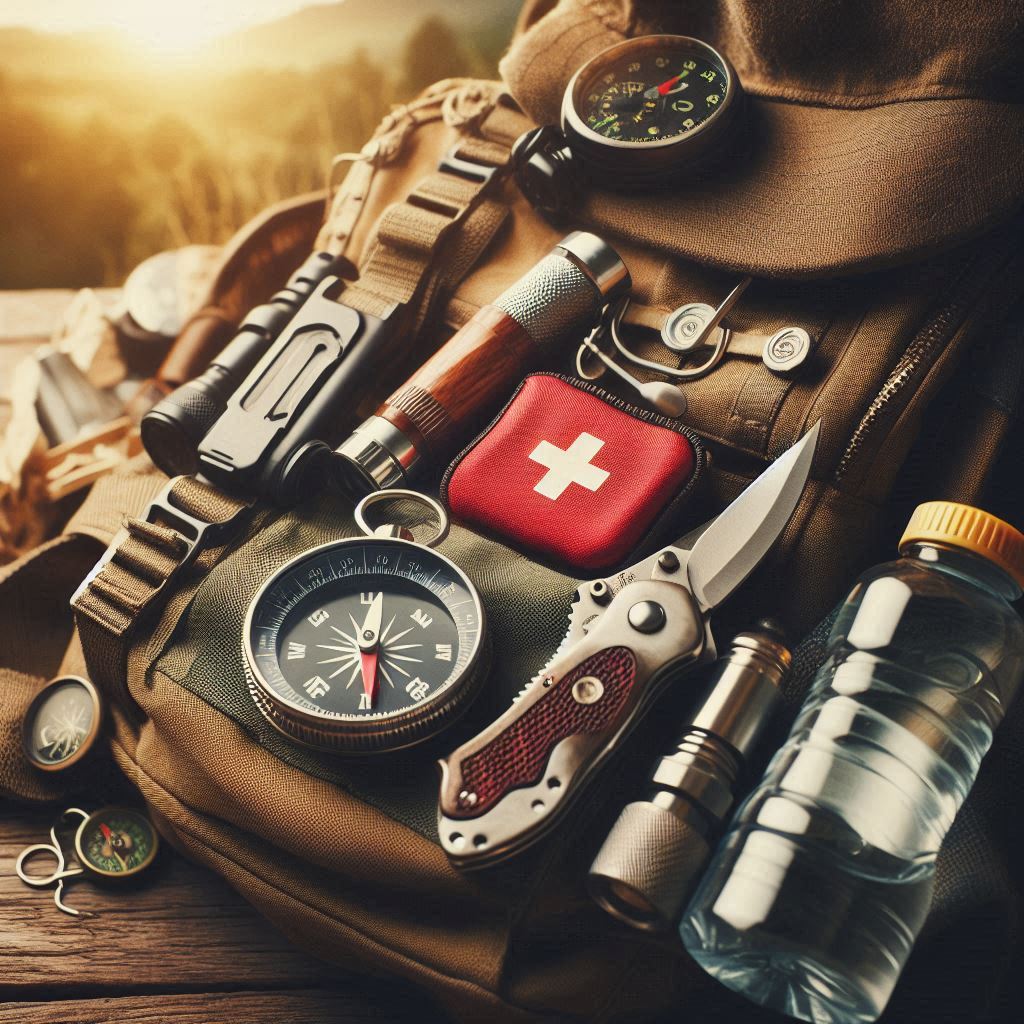
- Provide excellent protection from harsh weather conditions.
- IBNS tactical shelters offer impressive insect resistance.
- Easy to set up, even for beginners.
- Military tactical units ensure high durability and performance.
- Great for both short-term and long-term use.
- Very good for emergency situations.
- Comfortable living spaces for extended stays.
Exploring the Versatility of Catoma Adventure Shelters
Catoma Adventure Shelters are unique due to their rapid deployment and rugged construction. These shelters are highly versatile, suitable for various outdoor activities including camping, hunting, and military use. Key features include quick setup, lightweight materials, and high durability. Compared to other brands, Catoma shelters offer superior ease of use and reliability in harsh conditions.
How do Catoma shelters perform in different terrains?
Catoma shelters can be used in multiple terrains such as forests, deserts, and mountainous regions. The average weight of a Catoma shelter is approximately 4 to 6 pounds. Catoma shelters can accommodate up to 2 to 4 people depending on the model. With proper care, a Catoma shelter can last up to 10 years.
Choosing the Right Tactical Shelter for Your Needs
When choosing a tactical shelter, consider factors like terrain, climate, and the number of occupants. Determine the right size by evaluating the number of people and gear to be accommodated. The best brands for tactical shelters include Catoma, Eberlestock, and Snugpak. Compare different tactical shelters by examining features, customer reviews, and expert recommendations.
How do you evaluate the durability of a tactical shelter?
Several factors affect the durability of a tactical shelter including material quality, construction, and weather resistance. A durable tactical shelter typically has an average lifespan of 8 to 10 years. Many brands, such as Catoma and Eberlestock, offer durable tactical shelters. Durable shelters often come with warranties ranging from 1 to 5 years.
Pros of Catoma Adventure Shelters include quick setup, lightweight design, and high durability. Cons include limited capacity for larger groups and higher price points compared to some competitors.
For more detailed information on tactical shelters, visit the [Outdoor Gear Lab](https://www.outdoorgearlab.com/topics/camping-and-hiking/best-backpacking-tent) for expert reviews and comparisons.

- Tactical Shelter: Ensuring Durability and Resilience in Extreme Conditions
- Tactical Shelter: Enhancing Operational Efficiency and Comfort
- Tactical Shelter: Versatile Solutions for Multi-Purpose Applications
- Tactical Shelter: Sustainable and Eco-Friendly Design Considerations
- Tactical Shelter: Customization Options for Specialized Requirements
The Importance of Tactical Shelters in Disaster Preparedness
Tactical shelters significantly aid in disaster preparedness by providing immediate and reliable protection. These shelters feature robust materials and designs that withstand extreme weather conditions. Setting up a tactical shelter in a disaster scenario involves selecting a safe location and deploying the shelter quickly using easy-to-follow instructions. Tactical shelters offer numerous benefits for emergencies, including enhanced safety, comfort, and the ability to maintain essential living conditions for extended periods.
What are the key elements of a disaster-ready shelter?
Several key elements are essential for a disaster-ready shelter, typically including durability, insulation, and ease of setup. The average setup time for a disaster-ready shelter ranges from 10 to 30 minutes, depending on the model. Most disaster-ready shelters can support between 2 to 10 people, offering ample space and comfort. The lifespan of a disaster-ready shelter can extend up to 10 years with proper maintenance and care, ensuring long-term reliability.
Comparing Tactical Shelters to Traditional Camping Tents
Tactical shelters differ from traditional camping tents in their construction, durability, and features. Tactical shelters offer better protection against harsh weather and environmental hazards due to their reinforced materials. The durability of tactical shelters surpasses that of camping tents, withstanding wear and tear over extended periods. Choosing between a tactical shelter and a camping tent depends on the specific needs, such as the level of protection required and the intended use.
How do tactical shelters provide better insulation?
Tactical shelters typically include multiple insulation layers, enhancing their ability to maintain internal temperatures. The average weight difference between tactical shelters and traditional tents is around 10 to 15 pounds, with shelters being heavier due to added insulation. Tactical shelters can maintain temperature for up to 12 hours, providing consistent comfort in varying conditions. Several brands, such as MSR and Snugpak, offer insulated tactical shelters, catering to diverse needs and preferences.