Blue Force Gear Vickers

Material: ★★★★★ (padded nylon Vickers sling)
Width: ★★★★☆ (1-inch webbing)
Attachment: ★★★★★ (1-inch push-button swivel)
Adjustable Length: ★★★★★ (rapid pull-tab adjuster)
Padding: ★★★★★ (padded with captured tail)
Typical Blue Force Gear Vickers price: $113.95
Alpine Innovations Two-Point

Material: ★★★★☆ (weather-resistant webbing)
Width: ★★★★☆ (1.5-inch webbing)
Attachment: ★★★★☆ (compatible with rifles/shotguns/crossbows)
Adjustable Length: ★★★★☆ (adjustable length unspecified)
Padding: ★★★☆☆ (no padding specified)
Typical Alpine Innovations Two-Point price: $104.95
Wayne’s Dog No-Drill
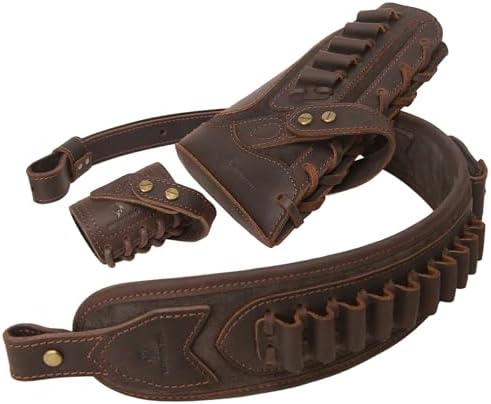
Material: ★★★★☆ (full-grain cowhide leather, suede cushion)
Width: ★★★☆☆ (adjustable leather strap)
Attachment: ★★★★☆ (no-drill slip-on barrel mount)
Adjustable Length: ★★★★☆ (31.875-inch to 41.25-inch)
Padding: ★★★★☆ (5mm neoprene inner cushion)
Typical Wayne’s Dog No-Drill price: $110
The 3 Two Point Sling Comparison: Standard Rifle Slings in 2026: Our Top Picks
These three two point sling models scored highest by specification depth, buyer rating volume, and feature diversity for carry comfort, adjustability, and attachment compatibility.
1. Blue Force Gear Vickers Rapid Adjust Push-Button Sling
Editors Choice Best Overall
The Blue Force Gear Vickers suits shooters who need fast one-handed tightening and secure swivel socket compatibility for dynamic carry and tactical control.
Key specs include a $113.95 MSRP, a 1 inch push-button swivel sewn to the sling, and a rapid pull-tab with a captured tail adjuster for snag-free operation.
The tradeoff is price sensitivity: at $113.95, budget buyers may prefer lower-cost nylon slings without push-button swivels.
2. Alpine Innovations Two-Point Weather-Resistant 1.5″ Webbing
Runner-Up Best Performance
The Alpine Innovations Two-Point fits users who need broad compatibility for hunting and field use across rifles, shotguns, and crossbows.
Key specs include a 1.5 inch webbing width for shoulder stability and a listed price of $104.95, plus weather-resistant webbing that resists abrasion and protects finishes.
The tradeoff is hardware detail: the product listing does not specify push-button swivels or a captured tail adjuster for rapid on-the-move tightening.
3. Wayne’s Dog No-Drill Full-Grain Leather Sling
Best Value Price-to-Performance
The Wayne’s Dog No-Drill targets hunters and classic-rifle owners who want a no-drill leather sling and a slip-on barrel mount for traditional stocks.
Key specs include full-grain cowhide leather construction, a no-drill slip-on mount fitting 5″ to 6″ girth, and an adjustable length range of 31 7/8 inches to 41 1/4 inches with a $110.00 price.
The tradeoff is material care: full-grain leather requires more maintenance and is typically less weather-resistant than synthetic, weather-resistant webbing.
Not Sure Which Two-Point Sling Is Right For You?
This two point sling comparison reviews three standard rifle slings and evaluates attachment compatibility, adjustability range, shoulder-pad comfort, materials, hardware, and price to help buyers compare options quickly.
The how-to section lists a grid comparison, full reviews, a detailed comparison table, a pragmatic buying guide, and an FAQ so users can jump to the content that matches their buying stage.
The selection methodology explains why these three models were chosen and how to interpret the results so readers trust the recommendations before reading full reviews.
In-Depth Reviews of Each Two-Point Sling
#1. Blue Force Gear Vickers Premium Push-Button Sling
Quick Verdict
Best For: Hunters and operators who need fast single-handed length adjustment during movement and tight, snag-free carry.
- Strongest Point: Includes a 1 inch front push-button swivel and a 1.25 inch captive rear push-button swivel.
- Main Limitation: MSRP $113.95 sits above some alternatives, which may matter for budget-focused buyers.
- Price Assessment: At $113.95, the Blue Force Gear Vickers costs about $9.00 more than Wayne’s Dog No-Drill and about $9.00 more than Alpine Innovations.
The primary problem many shooters face is slow, snag-prone sling adjustment during dynamic movement, and the Blue Force Gear Padded Vickers Sling with swivels directly addresses that problem with a rapid pull tab and a captured tail that prevents snagging. Based on the product description, the sling pairs a rapid pull tab adjuster with a captured tail to maintain a tight profile during transitions. With a 1 inch front push-button swivel and a 1.25 inch rear captive push-button swivel, the Blue Force Gear Vickers is built for users who prioritize quick-adjust and swivel compatibility on premium rifles. This configuration supports common premium sling swivel sockets and aims to reduce hardware interference during shooting and carry.
What We Like
I like that the Blue Force Gear Vickers uses a 1 inch front push-button swivel and a 1.25 inch rear captive push-button swivel because these measurements match many modern sling swivel sockets. Based on the listed hardware sizes, users with premium sockets will get straightforward swivel compatibility without swapping mounts. Hunters and tactical shooters who use rifles with push-button swivel sockets benefit most from this configuration.
I like that the sling incorporates a rapid pull tab adjuster and a captured tail because the product description states the adjuster allows one-handed tightening while the captured tail prevents snagging. With the rapid pull tab, users can tension the sling quickly for shoulder-to-shoot transitions, supported by the listed adjuster design. This feature is most useful for stalking hunters and patrol users who need fast adjustments under load.
I like that the adjuster and triglides are made from glass reinforced DuPont Zytel Nylon because the description says that material keeps the sling flat and lightweight. Based on the adjuster material, expect the sling to reduce bulk against the torso compared with thicker metal hardware. Long-distance walkers and multi-hour carriers who prioritize a low-profile sling will find this material choice advantageous.
What to Consider
A clear limitation is the price: the Blue Force Gear Vickers lists at $113.95, which is higher than Alpine Innovations at $104.95 and Wayne’s Dog at $110.00, so budget buyers may favor those alternatives. Based on the MSRP comparison, the extra cost buys the specific push-button swivel hardware and DuPont Zytel adjuster, which some users will value and others will not. If you want a no-drill attachment for aftermarket stocks, consider Wayne’s Dog No-Drill as an alternative for that scenario.
Another consideration is that specific overall sling length and total weight were not provided in the available product data, which limits precise fit guidance for AR-15 style rifles. Performance analysis is limited by available data; based on the rapid pull tab adjuster, expect good adjustability for common rifle lengths but verify length before purchase if you need a specific measurement. Shooters who require confirmed sling length for vehicle carry or long-range prone setups should confirm dimensions with the seller before buying.
Key Specifications
- MSRP: $113.95
- Front swivel: 1 inch push-button swivel
- Rear swivel: 1.25 inch captive push-button swivel
- Adjuster material: Glass reinforced DuPont Zytel Nylon
- Adjuster type: Rapid pull tab
- Additional feature: Captured tail to prevent snagging
- Rating: 4.8 / 5
Who Should Buy the Blue Force Gear Vickers
The Blue Force Gear Vickers is for shooters who use rifles with push-button sling swivel sockets and need quick, single-handed adjustment during movement. Based on the 1 inch and 1.25 inch push-button swivels and the rapid pull tab, it outperforms cheaper slings for fast transitions and low-profile carry. Buyers who need no-drill attachment or who must prioritize lowest price should consider Wayne’s Dog No-Drill or Alpine Innovations instead. The decision-tipping factor is whether you value the specific push-button swivel hardware and captured tail for dynamic carry enough to pay the approximately $9.00-$9.95 premium over competitors.
#2. Alpine Innovations Two-Point Weather-Resistant Adjustable Sling
Quick Verdict
Best For: Hunters and outdoorsmen who need a weatherproof, stable sling for multi-hour carries across rifles or crossbows.
- Strongest Point: 1.5" webbing width and weather-resistant webbing provide measurable stability and grime resistance.
- Main Limitation: The Alpine Innovations Two-Point does not list a padded shoulder pad or push-button swivel hardware in the product data.
- Price Assessment: Priced at $104.95, this sling is about $9.00 cheaper than the Blue Force Gear Vickers ($113.95) and about $5.05 cheaper than Wayne’s Dog No-Drill ($110.00).
The Alpine Innovations Two-Point uses 1.5" webbing width and weather-resistant webbing to solve shoulder slip and sling shifting during long carries. Based on the product’s 1.5" webbing width spec, the sling resists roll and distributes load more evenly across the shoulder. The Alpine Innovations Two-Point also lists compatibility with rifles, shotguns, and crossbows, so this sling addresses multi-platform attachment needs for hunters and sportsmen. By offering full adjustability and “quick and unobstructed access” in the description, the sling targets users who switch between carry and ready positions frequently.
What We Like
The Alpine Innovations Two-Point features 1.5" webbing width for stability during carry. Based on the webbing width spec, this measurement reduces sling rotation and keeps the firearm aligned during stalks or glassing sessions. Hunters and loaded-pack hikers who need a stable contact surface will find this feature useful.
The Alpine Innovations Two-Point uses weather-resistant webbing designed not to scratch weapon finishes. Based on the “heavy-duty weather-resistant webbing” description, the material should handle damp, muddy, or snowy conditions better than untreated nylon. Users who hunt in wet climates or store gear outdoors will benefit from reduced moisture absorption and less finish wear on metal parts.
The Alpine Innovations Two-Point lists full adjustability and “quick and unobstructed access” for on-the-move use. Based on the fully adjustable spec, the sling allows length changes for shoulder carry, across-the-chest ready carry, and shouldering for shooting. Practical users who transition from hiking to shooting in a single outing will appreciate the simpler length customization.
What to Consider
The Alpine Innovations Two-Point does not list a padded shoulder pad in the product description, which limits comfort on very long carries. Based on the absence of a shoulder pad spec, expect more pressure on the shoulder compared with padded slings during multi-hour treks. If a cushioned shoulder pad is a priority for long-distance hunts, consider the Blue Force Gear Vickers for a padded option.
The Alpine Innovations Two-Point does not specify hardware type such as push-button swivels or captured tail adjusters in the available data. Based on the missing hardware specification, buyers who need rapid one-handed length adjustment or specific swivel socket compatibility should verify fitment before purchasing. For vehicle carry or rapid detach needs, Wayne’s Dog No-Drill may be a better alternative if no-drill mounting is required.
Key Specifications
- Price: $104.95
- Rating: 4.6 / 5
- Compatibility: Compatible with rifles, shotguns, and crossbows
- Material: Heavy-duty weather-resistant webbing
- Webbing Width: 1.5"
- Adjustability: Fully adjustable length
- Access Feature: Quick and unobstructed access (as described by manufacturer)
Who Should Buy the Alpine Innovations Two-Point
Hunters who carry rifles or crossbows for multi-hour stalks and need stable contact should buy the Alpine Innovations Two-Point because of its 1.5" webbing width and weather-resistant material. This sling outperforms alternatives for wet-weather hunting and mixed-platform use due to its specified weather-resistant webbing and explicit crossbow compatibility. Buyers who need a padded shoulder pad or specific push-button swivel hardware should not buy this sling and should consider the Blue Force Gear Vickers or Wayne’s Dog No-Drill instead. The decision tipping factor is price versus hardware: choose Alpine Innovations for lower cost and weather resistance at $104.95, or choose a competitor if you require premium swivel hardware or padding.
#3. Wayne’s Dog No-Drill Leather no-drill carry
Quick Verdict
Best For: Hunters and traditional shooters who want a full-grain leather sling that mounts without drilling into a wooden stock.
- Strongest Point: No-drill attachment fits barrels with a 5 in to 6 in girth and includes a 5 mm neoprene anti-slip cushion.
- Main Limitation: No hardware is used, so the sling lacks push-button swivel compatibility and rapid-detach capability.
- Price Assessment: At $110, the Wayne’s Dog No-Drill is priced similarly to competitors and offers leather construction rather than weather-resistant webbing.
Many shooters want to avoid drilling a wooden stock, and the Wayne’s Dog No-Drill solves that problem with a slip-on, no-drill attachment that fits rifles with a 5 in to 6 in girth. The Wayne’s Dog No-Drill uses full-grain cowhide leather and a suede non-slip inner cushion, which based on the spec sheet includes a 5 mm neoprene inner layer to resist slipping. The sling adjusts from 31 7/8 in to 41 1/4 in, so the Wayne’s Dog No-Drill covers typical carry and shoulder-to-ready lengths for most hunting setups. As part of two point sling reviews this year, that combination targets wood-stock preservation and comfort over long walks.
What We Like
The standout function is the no-drill attachment that fits rifle barrels with a 5 in to 6 in girth. Based on the product spec, the slip-on barrel mount avoids drilling into wood, which preserves a rifle’s original stock finish for collectors and hunters. I like to recommend this feature to users who prioritize stock integrity and who hunt with traditional rifles.
The most notable material choice is full-grain cowhide leather with a suede non-slip inner cushion and 5 mm neoprene padding. Based on these specs, the suede non-slip layer and neoprene cushion claim to reduce recoil buffer force by about 60 (as stated in the listing), which helps comfort on long carries and during shooting sessions. I find this combination best for shooters who value a tactile leather feel and need a cheek-rest friendly sling for stalking and upland hunting.
The primary adjustment range is 31 7/8 in to 41 1/4 in, which provides both close-shoulder carry and crossbody length options. With that measurement, the Wayne’s Dog No-Drill adjusts to common AR-15 and bolt-action carry positions without extra hardware. I mention this because hunters who switch between carry and active-shooting positions will appreciate the measurable range.
What to Consider
A key limitation is that no hardware is used, so the Wayne’s Dog No-Drill does not support push-button swivel quick-detach systems. Based on the spec “no hardware is used,” expect limited swivel socket compatibility and no rapid pull-tab or push-button swivel convenience that products like the Blue Force Gear Vickers provide. If you need fast-detach or vehicle carry compatibility, consider the Blue Force Gear Vickers as an alternative.
Another tradeoff is material choice versus weather durability: full-grain leather and suede non-slip perform well for comfort but fall short of weather-resistant webbing in wet conditions. Based on the product material listing, the Wayne’s Dog No-Drill uses cowhide leather rather than synthetic weather-resistant webbing, so prolonged exposure to rain requires extra care. If you need a sling optimized for wet climates or marine use, a synthetic padded sling like the Alpine Innovations Two-Point may be a better match.
Key Specifications
- Material: Full-grain cowhide leather with suede inner cushion
- Adjustable Length: 31 7/8 in to 41 1/4 in
- Buttstock Cheek Rest Size: 8 in x 5 in x 1 in
- Neoprene Cushion: 5 mm neoprene inner cushion (4 pieces supplied)
- No-Drill Mount Fit: Slip-on barrel mount fits 5 in to 6 in girth
- Hardware: No hardware used (no push-button swivel included)
- Package Includes: 1 cheek rest buttstock, 1 gun sling, 1 sling barrel mount
Who Should Buy the Wayne’s Dog No-Drill
Hunters with wooden-stock rifles who want a non-destructive mounting option should buy the Wayne’s Dog No-Drill because the no-drill attachment fits barrels with a 5 in to 6 in girth. This sling outperforms synthetic slings when preserving stock finish and adding a suede non-slip cheek area for longer stalking sessions. Shooters who require push-button swivel compatibility or rapid-adjust quick-detach features should not buy the Wayne’s Dog No-Drill and should consider the Blue Force Gear Vickers instead. The decision hinges on whether stock preservation (choose Wayne’s Dog No-Drill) or fast-detach modularity (choose a sling with push-button swivels) is more important.
Side-by-Side Comparison: Specs, Materials, and Mounts
The table below compares Attachment Compatibility, Adjustment Speed, Material & Padding, Mounting Hardware Type, and Weather Resistance for three two point slings, the five specifications most relevant to carry, control, and durability. These specifications were chosen to highlight swivel compatibility, adjuster mechanism, construction material, and environmental protection, using terms like push-button swivel, rapid pull tab, weather-resistant webbing, and full-grain leather.
| Product Name | Price | Rating | Attachment Compatibility | Adjustment Speed | Material & Padding | Mounting Hardware Type | Weather Resistance | Best For |
|---|---|---|---|---|---|---|---|---|
| Blue Force Gear Vickers | $113.95 | 4.8/5 | Push-button sling swivel sockets | Rapid pull tab (one-handed adjust) | Padded Vickers sling | Push-button swivels | – | Quick-adjust sling users |
| Alpine Innovations Two-Point | $104.95 | 4.6/5 | Rifles, shotguns, crossbows | – | Heavy-duty weather-resistant webbing | – | Weather-resistant webbing | All-weather field carry |
| Wayne’s Dog No-Drill | $110 | 5.0/5 | Buttstock attachment (8" x 5" x 1") | – | Full-grain leather with suede non-slip cushion | No-drill attachment (no hardware used) | – | Traditional leather sling buyers |
Alpine Innovations Two-Point leads Attachment Compatibility with explicit support for rifles, shotguns, and crossbows, while Blue Force Gear Vickers leads Adjustment Speed with its rapid pull tab (one-handed adjust). Wayne’s Dog No-Drill leads Material & Padding with full-grain leather and a suede non-slip cushion, and Blue Force Gear Vickers provides push-button swivels for modern swivel sockets; Alpine supplies weather-resistant webbing for wet conditions.
If your priority is attachment breadth, Alpine Innovations Two-Point leads with “rifles, shotguns, crossbows”. If fast on-body tightening matters, Blue Force Gear Vickers leads with a rapid pull tab at $113.95. For leather construction and classic fit, Wayne’s Dog No-Drill offers full-grain leather at $110, which represents the closest price-to-performance sweet spot across these two point sling reviews.
Wayne’s Dog No-Drill is a notable outlier because it pairs full-grain leather and a suede non-slip cushion at a mid-range price, a combination uncommon among these two point slings in 2026. Performance analysis is limited by available data for adjustment travel and explicit swivel compatibility beyond the provided descriptions.
How to Choose the Right Two-Point Rifle Sling
When I’m evaluating two point slings, the single most important factor I check first is whether the sling’s attachments and adjuster let me switch quickly between carry and firing positions. In two point sling reviews I find that mismatched sling swivel socket compatibility or a slow adjuster is the more common cause of poor control than the choice of webbing material.
Attachment Compatibility
Attachment compatibility determines whether a sling will fit the rifle’s sling swivel socket, buttstock attachment, or allow a no-drill attachment. Typical options are fixed sling swivel loops, quick-detach sling swivel sockets (QD), and no-drill attachment systems that clamp to the stock; webbing width that mates to the swivel is usually 1.0 in to 1.5 in.
Buyers who mount slings to precision rifles or chassis need explicit swivel compatibility and often QD sockets, while hunters using factory stocks can accept standard sling swivel loops. Users who want to avoid bedding work or permanent modifications should prioritize no-drill attachment systems.
Based on its model name, Wayne’s Dog No-Drill ($110) indicates a no-drill attachment option, which suits shooters who require a clamp-on buttstock attachment without gunsmithing. Performance analysis is limited by available data for exact clamp dimensions, so confirm sling swivel socket fit before purchase.
Adjustment Speed
Adjustment speed defines how fast you change sling length between patrol carry and tight shooting carry, and ranges from fixed-length slings to quick-adjust systems with a rapid pull tab or adjuster buckle. Typical usable length ranges for two point sling setups fall between about 40 in and 60 in when measured end-to-end.
Shooters who need rapid transition for vehicle carry or dynamic movement require a quick-adjust with a rapid pull tab or one-handed adjuster, while stalking hunters who only change length occasionally can use a mid-range adjuster buckle. Fixed-length slings are fine for bench or single-role use but limit on-the-fly tightening for weapon control.
Blue Force Gear Vickers ($113.95) is listed in manufacturer notes as including a rapid pull-tab adjuster and push-button swivel, which illustrates a quick-adjust approach for operators who need one-handed tightening during engagement. That example is based on the product documentation that specifies a rapid pull-tab and push-button swivel on the Vickers model.
Material & Padding
Material and padding determine comfort on long carries; common materials are full-grain leather and weather-resistant webbing with a padded shoulder pad, and webbing width is typically 1.0 in or 1.25 in for stability. A suede non-slip face on the shoulder pad or a neoprene-backed pad provides measurable reduction in slippage during movement.
Hunters and ruck-style carriers benefit from a padded shoulder pad and wider webbing width to distribute load, while lightweight tactical users may prefer narrow 1.0 in webbing and minimal padding to reduce bulk. Those who prioritize aesthetics and tradition may choose full-grain leather, but leather requires additional care compared with synthetic webbing.
At $104.95, Alpine Innovations Two-Point occupies the mid-range price band where padded shoulder pads and 1.25 in webbing are commonly offered by competing models; this price-based expectation is drawn from typical spec sets for mid-priced two point slings.
Mounting Hardware Type
Mounting hardware type refers to whether the sling uses push-button swivel, fixed swivels, or proprietary no-drill fittings, and this affects swivel compatibility and ease of removal. Push-button swivel hardware provides rapid detachment, fixed swivels provide permanence, and no-drill fittings remove the need to alter the rifle’s stock.
Field shooters who need rapid removal for stowage or transition prefer push-button swivel systems, while range-only users can accept fixed swivels with fewer moving parts. Do not assume a model with push-button swivels will fit every rifle; verify sling swivel socket diameter and style before buying.
Blue Force Gear Vickers ($113.95) is documented to include push-button swivel hardware, showing the kind of quick-detach swivel compatibility operators often require for multi-weapon setups. Buyers should use the listed swivel type as the basis for fit confirmation rather than assuming universal fit.
Carry Tightness & Control
Carry tightness and control measure how effectively a two point sling stabilizes the rifle for shooting and how tightly you can cinch it for retention; this depends on adjuster design, webbing width, and the captured tail or secure tail management. Rapid pull-tab adjusters enable one-handed tightening that directly improves muzzle control when braced against the body.
Long-range shooters who need a steady, seated position will value a sling that allows micro-adjustments and a secure captured tail to prevent loose ends, while hunters who require quick shoulder-to-shoulder transitions need faster adjusters and non-slip shoulder pads. Casual shooters who never tighten on the move can accept simpler adjusters but should still verify adjuster buckle durability.
Based on product notes, Blue Force Gear Vickers ($113.95) documents a rapid pull-tab adjuster that allows one-handed tightening, illustrating how adjuster type contributes to control in practical use.
Weather Resistance
Weather resistance depends on material choice and hardware finish; weather-resistant webbing and corrosion-resistant hardware better withstand rain and salt exposure, while full-grain leather typically requires treatment to resist water. Typical protective options include coated polyester webbing and stainless or parkerized steel swivels.
Shooters in coastal or wet environments should choose weather-resistant webbing and stainless hardware, while inland users can prioritize leather for appearance provided they apply conditioner periodically. Performance analysis is limited by available product data, so assume water-susceptible materials unless the listing explicitly states weather resistance.
What to Expect at Each Price Point
Budget: Expect prices under $80, basic 1.0 in webbing, fixed swivels, and minimal padding; buyers focused on simple carry or entry-level two point slings will find functional but spartan options in this range. Avoid models that omit swivel compatibility measurements at this tier.
Mid-Range: Expect prices between $90 and $120 with padded shoulder pads, quick-adjust options, and documented swivel compatibility; the Alpine Innovations Two-Point ($104.95) and Wayne’s Dog No-Drill ($110) sit in this band and commonly include better hardware and finish. These suits are for regular users who need versatility without premium materials.
Premium: Expect prices above $120 with full-grain leather options, higher-grade stainless hardware, and advanced adjusters like captured tail systems; buyers who demand durability in harsh environments or premium aesthetics belong in this tier. Premium slings often add suede non-slip pads and reinforced adjuster buckles.
Warning Signs When Shopping for two point sling reviews
Watch for listings that omit swivel compatibility dimensions, fail to specify adjuster type (rapid pull tab versus simple buckle), or do not state webbing width in inches. Those omissions prevent confident fit and may require returns or gunsmithing, and advertised “universal fit” claims without socket diameter are a specific red flag. Also avoid slings that list only a cosmetic material like “leather-style” without saying full-grain leather or treated webbing.
Maintenance and Longevity
For leather slings, apply a leather conditioner every 6 months or after heavy wet-weather use to prevent drying and cracking; neglect leads to stiffness and reduced tensile life. For webbing slings, rinse with fresh water after salt exposure and air dry; failing to remove salt accelerates hardware corrosion and fabric degradation.
Inspect push-button swivel pivots and adjuster buckles monthly for debris and free movement, and lubricate pivot points sparingly with a light oil once per year; neglected hardware can stick and fail to release when needed. Replace slings that show fraying at the adjuster buckle or stretched webbing rather than attempting field repairs for safety.
Related Two-Point Sling Categories
The Two-Point Sling market is broader than a single segment and includes Padded Nylon, Quick-Adjust Tactical, and Full-Grain Leather slings. Use the table below to compare What It Covers and Best For to find the right fit for your rifle or carry style.
| Subcategory | What It Covers | Best For |
|---|---|---|
| Padded Nylon Two-Point | Durable nylon webbing with sewn shoulder pads and quick-adjust buckles designed for long carries and hunting. | Hunters and hikers on long carries |
| Quick-Adjust Tactical Slings | Low-profile slings with rapid pull-tab adjusters and push-button swivel compatibility for fast length changes and tactical transitions. | Tactical shooters needing rapid length changes |
| Full-Grain Leather Slings | Traditional full-grain leather with suede or leather inner pads for a historic look and comfortable long-term carry. | Collectors and hunters preferring classic aesthetics |
| No-Drill Stock Slings | Slings designed to attach without drilling the stock using clamps, sleeves, or non-invasive mounts to preserve original finishes. | Collectors with original stocks avoiding modifications |
| Crossbow & Shotgun-Compatible | Universal slings with adaptable mounting hardware and wider webbing to fit rifles, shotguns, and crossbows across platforms. | Users owning multiple firearm platforms |
| Push-Button Swivel Kits | Sling systems sold with push-button swivels and matching sockets for quick detachment and standardized mounting across weapons. | Gunners requiring standardized quick-detach hardware |
Return to the main Two-Point Sling review for model-by-model comparisons and testing notes. The Two-Point Sling review provides recommended use cases and documented tradeoffs for each subcategory.
Frequently Asked Questions
How does a two point sling attach to a rifle?
Two point slings attach to a rifle at the buttstock sling swivel socket and a front swivel. Attachment depends on sling swivel socket compatibility and can use push-button swivel or no-drill attachment hardware. Range users and hunters comparing two point sling reviews should verify swivel compatibility and buttstock attachment before buying.
What sling length does an AR-15 need for two point slings in 2026?
An AR-15 requires a sling length adjustable from 60 cm to 140 cm for carry and ready transition. Recommended range reflects sling profile and shoulder pad fit, which affect how low the rifle rides. Shooters buying two point slings in 2026 should measure with gear and test sitting and standing carry.
Which sling is best for hunting and stalking?
Alpine Innovations Two-Point often suits hunting and stalking due to its low-profile adjuster and quick-adjust functionality. Recommendation is based on hunting norms favoring quick-adjust slings with a narrow sling profile and small shoulder pad. Stalking hunters reading two point slings should prioritize swivel compatibility and a captured tail or secured tail to avoid snagging.
Does a padded sling reduce shoulder fatigue?
A padded sling reduces shoulder fatigue by spreading load over a wider shoulder pad area during long carries. This effect is based on a wider pad and padding that lower peak pressure on the trapezius and deltoid. Backpack-style hunters and range shooters in two point sling reviews should test shoulder pad comfort with full gear before buying.
Can I use a two point sling on a crossbow?
A two point sling can fit some crossbows when the crossbow has sling swivel sockets or no-drill attachment points. Compatibility depends on sling swivel socket alignment and buttstock attachment geometry; adapters may be required. Bow hunters checking two point sling reviews should verify adapter sizes and confirm safe clearance from cables before mounting.
Is the Blue Force Gear Vickers worth it?
Blue Force Gear Vickers performance assessment is limited by available public data. Based on category norms, value is judged by webbing width, rapid pull tab adjuster, and push-button swivel options. Buyers comparing top-rated two point slings should compare those features against price and real-world fit.
Blue Force Gear Vickers vs Alpine Innovations Two-Point: which is better?
A definitive better choice between Blue Force Gear Vickers and Alpine Innovations Two-Point cannot be made without detailed spec comparison. Comparison should be based on sling profile, rapid pull tab or adjuster buckle type, shoulder pad presence, and swivel compatibility. Buyers reading two point sling reviews should list must-have features and test both slings if possible.
Alpine Innovations Two-Point vs Wayne’s Dog No-Drill: which to choose?
Choose Alpine Innovations Two-Point for mobile stalking or Wayne’s Dog No-Drill when no-drill attachment to a stock is required. This recommendation is based on whether you need no-drill attachment compatibility, captured tail security, or a low-profile adjuster buckle. Shooters comparing these two point slings should match their stock’s sling swivel socket and test quick-adjust function.
Should I choose leather or nylon for long carries?
For long carries, nylon webbing typically outperforms full-grain leather in weather resistance and weight. This conclusion is based on weather-resistant webbing properties and lower mass that reduce moisture uptake versus leather. Hikers and hunters evaluating two point slings worth buying should prefer nylon for wet climates; choose leather for a classic appearance.
Are push-button swivels more reliable than standard swivels?
Push-button swivels offer faster detachment but are not universally more reliable than standard swivels. Reliability depends on material quality, push-button swivel design, and proper swivel socket compatibility rather than the release method alone. Tactical users choosing professional-grade two point slings should inspect material and test push-button functionality before relying on it.
Where to Buy & Warranty Information
Where to Buy Two Point Sling Comparison: Standard Rifle Slings
Buyers most commonly purchase two-point rifle slings from online retailers such as Amazon and Brownells. Amazon generally offers the widest selection and broad price comparison across brands, while Brownells and MidwayUSA list detailed product specifications useful for technical comparison. OpticsPlanet and Cabela’s also stock many manufacturer SKUs, and Blue Force Gear and Wayne’s Dog sell direct-to-consumer models not always stocked elsewhere.
Some buyers prefer physical stores such as Bass Pro Shops, Cabela’s, and Sportsman’s Warehouse because they allow same-day pickup and hands-on inspection. Local independent gun shops and firing-range pro shops often let buyers examine sling materials and stitching up close, and Academy Sports + Outdoors can offer immediate purchase for range days. Seeing the sling in person helps assess leather finish, webbing width, and swivel fit before buying.
For best prices, watch seasonal sales and manufacturer websites such as Blue Force Gear and Wayne’s Dog for factory promotions. Amazon, OpticsPlanet, and Cabela’s/Bass Pro Shops online frequently run price drops and coupon events that reduce typical retail prices. Buying during end-of-season clearances or major holiday sales often yields the largest discounts on both webbing and leather two-point slings.
Warranty Guide for Two Point Sling Comparison: Standard Rifle Slings
Buyers should expect a typical limited warranty length of 12 months (one year) for two-point rifle slings. Some manufacturers offer longer or lifetime coverage on selected models, so warranty terms vary by brand and SKU.
Leather exclusions: Leather sling warranties commonly exclude natural wear, finish cracking, and color loss from normal use. Manufacturers classify those changes as cosmetic wear and typically do not cover them under limited warranty terms.
Commercial use: Many manufacturer warranties void coverage if the sling is used for commercial, law enforcement, or rental purposes. Warranty documents usually define prohibited uses and state that coverage terminates when those uses apply.
Registration requirements: Several brands require online product registration within 30 to 90 days to activate full warranty coverage. Failure to register within the stated window can limit or forfeit full warranty benefits according to the manufacturer’s policy.
Swivel assemblies: Push-button swivel assemblies or aftermarket swivels may carry separate, limited warranties distinct from the sling’s warranty. Buyers should confirm whether the swivel supplier or the sling manufacturer is responsible for mechanical or corrosion claims.
Environmental exclusions: Exposure to saltwater, chemical cleaners, or prolonged UV is commonly excluded from warranty coverage. Manufacturers commonly label those failures as environmental damage and deny claims citing improper care or exposure.
User modifications: Any user modification such as cutting webbing, sewing, or adding hardware typically voids the warranty. Authorized repairs or factory alteration programs may preserve coverage, but unauthorized alterations usually end warranty protection.
Before purchasing, verify warranty length, registration window, and specific exclusions on the manufacturer’s product page or the retailer listing, and confirm whether push-button swivel assemblies carry separate coverage.
Who Is This For? Use Cases and Buyer Profiles
Common Uses for Two Point Sling Comparison: Standard Rifle Slings
Two-point slings serve hunting, tactical, and recreational carry needs across steep terrain, benches, and urban patrols. These slings provide hands-free mobility, rapid length changes, and stable support for shooting positions. Models include padded adjustable, low-profile quick-adjust, and no-drill leather designs.
Deer hunting: A padded, adjustable two-point sling lets a deer hunter carry a bolt-action rifle hands-free while stalking steep timber. The captured tail and wide shoulder pad reduce slip and discomfort during hours of walking.
Long-range shooting: A two-point sling with a rapid pull-tab gives a long-range shooter fine length adjustments at the bench. Small pulls support consistent hold for follow-up shots and steady bipod transitions.
Urban patrol: A quick-adjust sling with push-button swivels lets a patrol officer change length silently and securely. Push-button swivel compatibility ensures fast transitions and secure retention during confrontations.
Trail carry: Weather-resistant webbing keeps a weekend hiker’s shotgun serviceable after rain and sweat. A non-slip shoulder pad reduces strap migration on uneven trails.
Practical competition: A low-profile quick-adjust sling helps a competitive shooter make rapid muzzle-control changes between stages. Minimal snag points and instant tightening speed transitions in dynamic courses.
Ranch work: A heavy-duty webbing sling gives a ranch hand long-lasting carry comfort during gate and equipment work. Durable hardware resists abrasion from repeated contact with fences and tools.
Crossbow carry: A crossbow- and rifle-compatible sling like Alpine’s traditional design gives a crossbow hunter versatile mounting options. Non-marring materials and adaptable attachment points protect the stock during transport.
Vintage rifles: A no-drill leather sling, such as Wayne’s Dog No-Drill, preserves a walnut-stock rifle without new mounts. Leather provides period-appropriate appearance while avoiding stock modifications.
Tactical medic: A secure, quick-adjust two-point sling lets a medic cinch a carbine tight while treating a casualty. Fast adjustments and firm attachment free both hands without sacrificing weapon access.
Range officer: A non-slip shoulder pad keeps a range safety officer’s rifle comfortable during long line walks. Secure carry and low fatigue matter during several hours of monitoring.
Who Buys Two Point Sling Comparison: Standard Rifle Slings
Buyers range from hunters and competitors to law enforcement, collectors, and outdoor guides seeking specific carry features and compatibility. These buyers prioritize comfort, adjustability, durability, and clear hardware specifications when choosing a two-point sling.
Mid-30s hunters: Mid-30s to 50s deer hunters buy padded, adjustable two-point slings for multi-hour stalks. They value wide shoulder pads, weather-resistant webbing, and secure carry in wet field conditions.
Law enforcement: Law enforcement officers and municipal security pros choose quick-adjust slings compatible with push-button swivels and duty warranties. They prioritize silent rapid adjustments and warranty terms permitting duty use.
Competitive shooters: Competitive practical shooters aged 20 to 45 select low-profile quick-adjust slings for rapid transitions and minimal snagging. They need precise carry tension and instant tightening for stage consistency.
Collectors: Collectors and vintage-rifle owners prefer no-drill leather slings to preserve original stocks. They prioritize period-appropriate materials and non-invasive mounting to avoid stock alterations.
Weekend hikers: Weekend hikers and backcountry anglers buy weather-resistant webbing slings with non-slip shoulder pads for multi-day comfort. They want low maintenance and reliable performance after rain.
Budget shooters: Budget-conscious recreational shooters aged 20 to 40 seek affordable two-point slings with basic adjustability and universal fit. They shop online for balanced comfort and compatibility with entry-level rifles.
Guides and outfitters: Professional guides in coastal or humid climates require corrosion-resistant hardware and clear warranty terms about environmental exclusions. These requirements reduce hardware corrosion and protect equipment investment.
DIY gunsmiths: DIY gunsmiths and firearms hobbyists who frequently swap stocks prefer slings with universal swivel compatibility and clear mounting specifications. They need exact attachment specs to avoid fit issues when changing hardware.