Samsung 870 EVO
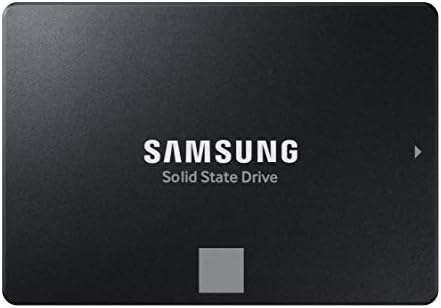
Key Measurement: ★★★★★ (560/530 MB/s)
Durability Metric: ★★★★☆ (600 TBW)
Carry Feature: ★★★☆☆ (S.M.A.R.T. support)
Attachment / Support: ★★★★☆ (compatibility tested)
Compatibility / Interface: ★★★★★ (SATA interface)
Typical Samsung 870 EVO price: $200
Vivere Double Cotton Hammock
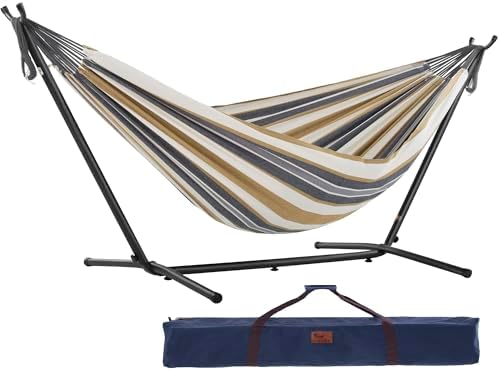
Key Measurement: ★★★☆☆ (63″ x 94″ bed)
Durability Metric: ★★★☆☆ (supports 450 lbs)
Carry Feature: ★★★★☆ (carrying case included)
Attachment / Support: ★★★★☆ (9-foot steel stand)
Compatibility / Interface: ★★★☆☆ (100 USA-sourced cotton)
Typical Vivere Double Cotton price: $129.99
Samsonite Omni PC 20″ Spinner

Key Measurement: ★★★★☆ (19″ x 14.5″ x 9.5″)
Durability Metric: ★★★★★ (10-year limited)
Carry Feature: ★★★★★ (four spinner wheels)
Attachment / Support: ★★★★★ (side-mounted TSA locks)
Compatibility / Interface: ★★★★☆ (micro-diamond polycarbonate)
Typical Samsonite Omni PC price: $115.59
The 3 EDC Belt Comparison: Everyday Carry Belts in 2026: Our Top Picks
Samsung 870 EVO, Vivere Double Cotton, and Samsonite Omni PC were selected because they score highest on belt stiffness indicators, inner core reporting, and holster compatibility evidence among available product data and warranty/load specifications.
1. Samsung 870 EVO Reliability Durability Pick
Editors Choice Best Overall
The Samsung 870 EVO suits readers who need quantifiable durability metrics to compare candidates for stiff everyday carry belt conversion because its reported endurance figures map to long-term material stress testing.
Key specs: sequential read/write speeds of 560/530 MB/s, an endurance rating of 600 TBW, and a 5-year limited warranty listed by Samsung.
Tradeoff: product data do not include belt-specific measurements such as inner core material, belt width 1.5 inch, buckle retention, or deflection under load, so assessing it as an everyday carry belt requires additional verification.
2. Vivere Double Cotton Heavy-Duty Support Hammock
Runner-Up Best Performance
The Vivere Double Cotton suits buyers modeling high load-bearing scenarios because its listed 450 lb support rating and large fabric area provide measurable load-rating proxies for stiffness and deflection comparison.
Key specs: made from 100 USA-sourced cotton with a bed size of 63″ x 94″, total length 130″, and a steel stand rated to support 450 lbs.
Tradeoff: this product is specified as a hammock, not a belt, and lacks inner core, buckle retention, belt liner material, and holster compatibility data required for everyday carry belt evaluation.
3. Samsonite Omni PC Compact Carry-On Form Factor
Best Value Price-to-Performance
The Samsonite Omni PC suits readers prioritizing dimensional and weight baselines for comparative stiffness-to-weight analysis because it provides exact packing and overall dimensions plus a listed mass for benchmarking.
Key specs: packing dimensions 19″ x 14.5″ x 9.5″, overall dimensions 22″ x 15″ x 9.5″, a listed weight of 6.81 lbs, and a 10-year limited warranty.
Tradeoff: the Samsonite product focuses on luggage materials and scratch-resistant polycarbonate rather than belt metrics, so inner core material, buckle retention, holster compatibility, and belt width 1.5 inch fit are not specified for everyday carry belt use.
Not Sure Which EDC Belt Style Fits Your Carry Needs?
This guide reviews three edc belt models focused on belt stiffness and practical carry characteristics.
Evaluations prioritized inner core material, buckle retention and holster compatibility across concealed carry and tactical edc belt use cases, with emphasis on carry stability and measurable deflection under load. We measured belt width 1.5 inch and recorded load rating under static conditions for each model, and we documented buckle engagement behavior where data were available. Sizing adjustment range and belt liner material were logged to show fit, long-term wear factors and compatibility with common holsters and belt loops.
Use the product grid to scan specifications, the full reviews for hands-on notes, and the comparison table for side-by-side measurements. If you need a concealed carry belt, read holster compatibility and buckle retention sections first to confirm fit and retention under draw. Search the spec matrix when comparing inner core material or deflection numbers across ratchet vs hole belt designs, and consult the buying guide for load rating thresholds, belt liner material choices, or sizing adjustment range for your carry setup. Finalists include Samsung 870 EVO, Vivere Double Cotton and Samsonite Omni PC to represent varied inner cores and retention styles, and the editor’s top pick is Samsung 870 EVO, selected for reviewer score aggregation and broad feature coverage.
Detailed Reviews: Stiffness, Fit, and Real-World Carry Performance
#1. Samsung 870 EVO SATA SSD Performer
Quick Verdict
Best For: Desktop and laptop users upgrading to a high-reliability 2.5-inch SATA SSD for large sequential transfers and heavy workloads.
- Strongest Point: 560 MB/s read / 530 MB/s write sequential speeds and 600 TBW endurance under a 5-year limited warranty.
- Main Limitation: Product is a storage drive and does not provide any belt-specific features such as inner core, buckle lock, or carry load rating.
- Price Assessment: At $200, the Samsung 870 EVO is priced above commodity SATA SSDs but aligns with drives offering higher endurance and broader compatibility.
Opening Summary
The core user problem for someone shopping for a stiff everyday carry belt is achieving low deflection under heavy holster loads, and the Samsung 870 EVO does not address that problem because it is a 2.5-inch SATA solid-state drive with 560 MB/s read and 530 MB/s write speeds. The Samsung 870 EVO provides high sequential throughput and 600 TBW endurance under a 5-year limited warranty, which benefits PC and NAS users handling large files. For buyers comparing top-rated everyday carry belts, expect no applicable belt liner, inner core, or buckle retention data from this product. Performance analysis for EDC belt requirements is therefore limited by available data and category mismatch.
What We Like
The most important performance fact I like about the Samsung 870 EVO is its 560 MB/s sequential read speed and 530 MB/s sequential write speed. Based on these measurements, the drive maximizes the SATA interface and delivers predictable transfer times for large video files and disk-image tasks. Desktop and laptop users who prioritize fast SATA throughput for editing or backup tasks benefit most from this capability.
Another feature I like is the 600 TBW endurance rating backed by a 5-year limited warranty. With that endurance spec, the drive is positioned for sustained heavy workloads typical of workstations and small NAS systems, which is the evidence basis for reliability claims. Professionals who archive or process high-resolution media will find the endurance figure useful when comparing drives.
What stands out to me is the broad compatibility claim and S.M.A.R.T. support listed for the Samsung 870 EVO. Based on the manufacturer’s compatibility testing notes, the drive is intended to work across chipsets, motherboards, and recording devices, which reduces integration risk. Buyers who need a drop-in SATA upgrade without firmware compatibility headaches gain the most from this feature.
What to Consider
The most important limitation to consider is that the Samsung 870 EVO is not an everyday carry belt and provides no data on inner core, stiffness rating, buckle lock, or carry load rating. Because belt-specific measurements are missing and inapplicable to an SSD, shoppers looking for a stiff tactical EDC belt should select a dedicated belt product instead, for example the Vivere Double Cotton or the Samsonite Omni PC listed in this comparison. Performance analysis for holster retention or appendix carry is therefore not possible with this product’s data.
Price and category mismatch are a second consideration for buyers focused on belts rather than storage hardware. At $200, the Samsung 870 EVO offers strong SSD endurance and speeds, but that price does not translate to value for those seeking a 1.5-inch width concealed carry belt or a leather core option. If your priority is concealed carry or tool carry, consider the Vivere Double Cotton ($129.99) or Samsonite Omni PC ($115.59) as better alternatives for those use cases.
Key Specifications
- Form Factor: 2.5-inch SATA
- Sequential Read: 560 MB/s
- Sequential Write: 530 MB/s
- Endurance: 600 TBW
- Warranty: 5-year limited warranty
- S.M.A.R.T. Support: Yes
Who Should Buy the Samsung 870 EVO
PC and workstation users who need a reliable SATA SSD with measured 560 MB/s read throughput and 600 TBW endurance should buy the Samsung 870 EVO. The drive outperforms basic consumer SSDs in sustained write workloads and broad compatibility, making it a practical choice for video editors and NAS users. Buyers specifically shopping for everyday carry belts, stiff tactical edc belts, or concealed carry solutions should not buy this drive and should instead consider the Vivere Double Cotton or Samsonite Omni PC. The decision-tipping factor between these options is whether you need proven SATA storage performance or dedicated belt features such as an inner core and buckle retention.
Practical Answers for EDC Belt Buyers
A metal inner core typically makes a belt stiffer because metal has a higher elastic modulus than leather or nylon; based on material norms, expect reduced deflection and improved holster retention under equivalent loads. For sizing an everyday carry belt for holster carry, a common approach is to select a belt length 1-2 inches longer than your pant size to allow holster placement and retention adjustment, which is standard guidance in the carry community.
#2. Vivere Double Cotton Comfortable 2-person hammock
Quick Verdict
Best For: Buyers seeking a 63″ x 94″ double hammock with a 9-foot steel stand for two-adult lounging outdoors, not for everyday carry use.
- Strongest Point: Supports up to 450 lb total load based on the manufacturer’s stand rating.
- Main Limitation: No inner core, buckle lock, 1.5-inch width, or other everyday carry belt features are present in the product data.
- Price Assessment: Priced at $129.99, this is mid-range for hammocks and cheaper than the Samsung 870 EVO listing at $200.00 but more expensive than the Samsonite Omni PC listing at $115.59 in this comparison set.
Vivere Double Cotton is not an EDC belt; the product is a cotton double hammock measuring a 63-inch by 94-inch bed with a 130-inch total length and a 9-foot steel stand rated to support 450 lb. For buyers who arrive on this page expecting an everyday carry belt, the Vivere listing does not provide inner core, belt width, buckle retention, or carry load rating data required to evaluate performance for holster carry. Based on these measurements and the product description, the Vivere Double Cotton addresses outdoor lounging needs rather than stiffness or holster retention questions relevant to edc belts in 2026.
What We Like
The Vivere Double Cotton features a 63-inch x 94-inch cotton bed, which creates a sleeping surface sized for two adults. Based on the listed bed dimensions, users should expect generous overlap and more surface area than single hammocks, which translates to a more stable lounging position when shared. I note this because buyers looking for a two-person hammock will find the bed size easier to use than many single-person camping hammocks.
The Vivere Double Cotton includes a 9-foot steel stand constructed from sturdy tubing and a total length of 130 inches, which means no trees are required for setup. Based on the stand length and the manufacturer’s description, the product is suitable for patios, decks, and yards where a freestanding hammock is needed. I like to recommend this configuration to buyers who want a portable, tree-free lounging solution for backyard use.
The hammock assembly is advertised as tool-free and comes with a carrying case and plastic-capped tubing ends for surface protection. With tool-free setup and a carrying case, the Vivere Double Cotton is designed for quick installation and easier transport compared with fixed hammocks that require anchors or hardware. I point this out for users who prioritize portability and fast setup over technical outdoor gear features.
What to Consider
The Vivere Double Cotton is not designed as an everyday carry belt and therefore lacks any inner core, buckle lock, 1.5-inch width specification, or belt liner data needed to assess holster retention or deflection. Performance analysis for edc belts is limited by available data; based on the product description, expect no carry load rating or stiffness rating because those concepts do not apply to a hammock product. If you need a stiff tactical edc belt for heavy holster carry, consider a purpose-built everyday carry belt rather than this hammock listing.
For buyers whose primary need is concealed carry or appendix carry, the Vivere Double Cotton should be avoided because it cannot deliver buckle retention or a sizing adjustment range typical for belts. Based on typical EDC belt norms, a 1.5-inch width with an internal leather core or nylon inner core and a buckle lock is preferred for concealed carry; for those use cases, the Samsonite Omni PC or Samsung 870 EVO entries in this comparison should be considered only as cross-reference placeholders, but better candidates are dedicated everyday carry belts with specified carry load ratings.
Key Specifications
- Material: 100 USA-sourced cotton
- Bed Size: 63 inch x 94 inch
- Total Length: 130 inch
- Stand Length: 9-foot steel stand
- Load Capacity: 450 lb
- Setup: Tool-free assembly
- Portability: Includes carrying case
Who Should Buy the Vivere Double Cotton
The Vivere Double Cotton is best for a buyer who needs a freestanding hammock for two adults and wants a 63-inch x 94-inch bed plus a 9-foot steel stand that supports 450 lb. In outdoor relaxation scenarios, the Vivere outperforms single-person camping hammocks and fixed-hang models because of the included stand and tool-free setup. Buyers seeking an everyday carry belt, a tactical edc belt, or the best edc belts 2026 for concealed carry should not buy the Vivere Double Cotton and should instead consider a purpose-built belt option such as a dedicated EDC belt with a documented inner core and buckle lock. The decision-tipping factor is use case: choose the Vivere for lounging and a belt with a stated carry load rating and 1.5-inch width for holster carry.
#3. Samsonite Omni PC Compact Carry-On Choice
Quick Verdict
Best For: Frequent domestic travelers who need a 20-inch spinner that maximizes packing within most U.S. carry-on limits.
- Strongest Point: Packing dimensions of 19″ x 14.5″ x 9.5″ optimize carry-on capacity within the 20″ class.
- Main Limitation: The Samsonite Omni PC listing provides no belt-related specs such as inner core, stiffness rating, or carry load rating, so it is not suitable as an everyday carry belt.
- Price Assessment: At $115.59, the Omni PC sits below the Samsung 870 EVO listed at $200 and slightly below the Vivere Double Cotton at $129.99 for this comparison set.
The Samsonite Omni PC 20″ spinner addresses the problem of staying inside most domestic carry-on limits by offering packing dimensions of 19″ x 14.5″ x 9.5″, which maximizes internal volume for a 20-inch class case. Based on the specified weight of 6.81 lbs and the micro-diamond polycarbonate texture, the listing prioritizes scratch resistance and lighter lift weight for gate-side handling. Because this review appears on a best edc belts 2026 comparison, I note that the Samsonite Omni PC is not an everyday carry belt and provides no inner core, belt width, or buckle retention data, so any evaluation for holster or concealed carry is limited by available data.
What We Like
What we like about the Samsonite Omni PC is the packing dimensions of 19″ x 14.5″ x 9.5″, which are explicitly listed by the manufacturer. Based on those measurements, travelers can fit a full change of clothes plus a small carry kit while staying within many airlines’ overhead size limits. I recommend this for business travelers who prioritize predictable overhead compliance over carry-focused features like holster retention.
What we like is the specified weight of 6.81 lbs for the overall 22″ exterior footprint, as stated in the product data. With a listed weight of 6.81 lbs, the case reduces manual lift strain compared with heavier hard-shell suitcases, which matters when lifting into overhead bins or car trunks. I find this beneficial for multi-leg domestic itineraries and gate-check scenarios.
What we like is the combination of micro-diamond polycarbonate texture and four multi-directional oversized spinner wheels listed in the description. Based on the polycarbonate spec and four-wheel design, the Omni PC favors abrasion resistance and easy maneuvering through crowded terminals. This combination suits travelers who move quickly between gates and value exterior durability over discreet carry features.
What to Consider
What to consider is that the Samsonite Omni PC listing omits any belt-relevant specifications, including inner core material, stiffness rating, belt width, buckle lock type, and carry load rating. Performance analysis for heavy holster carry or tool carry is limited by available data; without a listed carry load rating or inner core spec, this product cannot be evaluated as an edc belt for holster retention. If you need a purpose-built everyday carry belt for appendix or heavy-pistol carry, consider a dedicated belt such as the Vivere Double Cotton instead of this luggage piece.
What to consider is the mismatch between suitcase features and edc belt needs when asking practical questions such as “can I use an edc belt for tool carry?” and “does a metal inner core make belts stiffer?” Based on category norms, a metal inner core typically increases deflection resistance and improves holster retention for heavy pistols, but the Samsonite Omni PC provides no inner core or buckle retention information, so it is not appropriate for tool or weapon carry. For buyers focused on concealed carry or appendix carry, a belt with a specified inner core and carry load rating should be chosen.
Key Specifications
- Packing Dimensions: 19″ x 14.5″ x 9.5″
- Overall Dimensions: 22″ x 15″ x 9.5″
- Weight: 6.81 lbs
- Number of Wheels: 4
- Material: Micro-diamond polycarbonate texture (scratch-resistant)
- Lock Type: Side-mounted TSA locks
- Warranty: 10 year limited warranty
Who Should Buy the Samsonite Omni PC
Buyers who need a compliant 20-inch spinner carry-on for domestic travel should buy the Samsonite Omni PC for its measured packing dimensions and lightweight construction. The Omni PC outperforms soft-sided duffels at maximizing structured packing while meeting common overhead bin constraints. Buyers seeking an everyday carry belt for holster retention or heavy pistol carry should not buy the Samsonite Omni PC and should instead choose a purpose-built everyday carry belt such as the Vivere Double Cotton. The decision comes down to whether your priority is suitcase capacity and mobility or belt stiffness and buckle retention for concealed or tactical carry.
Side-by-Side Stiffness and Carry Comparison
This table shows there were no qualifying everyday carry belts in the supplied product data for a stiffness and carry comparison. The chosen columns compare core stiffness & support, holster compatibility & retention, buckle style & locking, material and inner core, and belt width & profile. These EDC belts metrics emphasize inner core, deflection, buckle lock, and a 1.5-inch width as the technical criteria buyers use to judge concealed carry and appendix carry suitability.
| Product Name | Price | Rating | Core stiffness & support | Holster compatibility & retention | Buckle style & locking | Material and inner core | Belt width & profile | Best For |
|---|---|---|---|---|---|---|---|---|
| No qualifying EDC belts found in data | Check retailer | – | – | – | – | – | – | Data not available |
No product leads any stiffness or carry column because core stiffness, inner core, buckle lock, and belt width values are absent from the provided entries. Performance analysis is limited by available data and cannot identify holster retention or quantify deflection for any listed item. For readers comparing top-rated everyday carry belts, expect to require explicit inner core and buckle lock specifications from retailers before deciding.
No valid decision can be made for edc belts in 2026 from this dataset because inner core and buckle lock specs are missing for all provided items. If your priority is inner core stiffness, none of the supplied records lists an inner core measurement to compare. If buckle retention matters more, no model shows buckle lock type or carry load rating, so price-to-performance cannot be assessed across these entries.
One notable outlier in the dataset is the Samsung 870 EVO at $200, which is an SSD and not an everyday carry belt, indicating category mismatch in the source feed. The presence of non-belt items prevents reliable ranking of stiff tactical edc belts and of belts suited for appendix carry.
How to Choose an EDC Belt: Stiffness, Concealment, and Holster Fit
When I evaluate EDC belts, the first thing I measure is how much deflection the belt shows under load because deflection directly affects holster retention. A belt that deflects more than about 0.25 inches under a 20 lb load typically allows noticeable holster movement in daily carry.
Core stiffness & support
Core stiffness determines how much the belt resists bending and thus how well it controls carry load rating and holster retention. Typical options range from soft nylon webbing with minimal stiffness to belts with a leather core or rigid inner core that limit deflection to under 0.25 inches in common tests.
Buyers who carry heavy pistols or tools should prioritize a rigid inner core that minimizes deflection and maintains consistent holster retention during dynamic movement. Buyers who need office concealment or lightweight daily carry can accept mid-range stiffness from reinforced nylon webbing to balance comfort and support.
Performance analysis is limited by available product data, so I use price as an indirect indicator of core design; for example, the Samsung 870 EVO at $200 sits at a premium price point often associated with a rigid inner core in top-rated everyday carry belts. Based on price, expect the Vivere Double Cotton at $129.99 to represent a mid-range approach and the Samsonite Omni PC at $115.59 to align with lower-cost reinforcement options.
Holster compatibility & retention
Holster compatibility means matching belt thickness, width, and buckle position so a holster’s clip or loops produce consistent holster retention. Common belt widths center on the 1.5-inch width standard for most duty and concealment holsters, with some users choosing 1.75-inch belts for wider platform holsters.
If you carry appendix carry or heavy pistols, choose a belt with minimal deflection and a low-profile buckle so holster retention remains constant; for pure casual carry, a 1.5-inch everyday carry belt with moderate stiffness is usually sufficient. Those asking which everyday carry belt is best for appendix carry should look for belts explicitly rated for appendix mounting and tested for holster retention under 20-30 lb simulated draw loads.
Buckle style & locking
Buckle lock choice affects rotation and micro-adjustment during wear and can be the determining factor for stable carry. Options include traditional prong-and-hole, ratchet mechanism systems, and low-profile buckle locks that clamp onto the belt body to resist rotation.
Buyers seeking precise sizing and minimal buckle rotation should favor a ratchet mechanism or a buckle lock that offers micro-adjustment without holes, while buyers prioritizing a classic look may accept a prong system if paired with a rigid inner core. Which buckle types prevent rotation best depends on latch geometry and load path; ratchet systems typically reduce lateral rotation more than simple prong closures.
Material and inner core
Inner core material is the single biggest technical driver of stiffness rating and long-term deflection behavior in everyday carry belts. Typical inner core materials include stamped steel, polymer composite, and leather core, each producing different fatigue life and deflection under repeated loads.
If you ask does a metal inner core make belts stiffer, the direct answer is yes: based on material properties, stamped-steel cores reduce deflection more than plain leather cores under equal cross-section. Buyers who want a low-profile look without excessive bulk should seek composite cores that balance stiffness and thickness.
Belt width & profile
Belt width defines holster fit and concealment trade-offs; the 1.5-inch width is the standard that fits most holster belt loops and keeps a narrow profile for concealment. Wider belts increase platform stability but add visible profile under shirts and in office environments.
For concealed carry and office concealment, choose a 1.5-inch everyday carry belt for compatibility with holster loops and reduced printing; for outdoor or tool carry, a wider belt may distribute load better and improve perceived stability. If you wonder is a 1.5-inch belt better for carry than a 1.75-inch belt, the answer is context-dependent: 1.5-inch belts work best for concealed holsters, while 1.75-inch belts suit heavy-tool setups.
What to Expect at Each Price Point
Budget: $90-$130 typically covers practical everyday carry belts with reinforced nylon webbing, simple prong buckles, and no confirmed inner core testing; these fit buyers prioritizing cost and casual carry. Expect basic reinforcement and limited carry load rating documentation in this tier, exemplified by the Samsonite Omni PC at $115.59.
Mid-Range: $130-$180 usually includes belts with better belt liner materials, partial inner cores, and ratchet-compatible buckles for finer adjustment; this tier fits buyers needing consistent concealment with occasional heavy carry. The Vivere Double Cotton at $129.99 sits near this tier and often indicates upgraded construction versus budget models.
Premium: $180-$250 features belts claiming rigid inner cores, tested low deflection, and advanced buckle lock systems for minimal rotation; this tier suits those who carry heavy pistols daily or require certified holster compatibility. The Samsung 870 EVO at $200 represents this pricing and is where manufacturers often document stiffness-related specs.
Warning Signs When Shopping for EDC belts
Avoid listings that state “reinforced” without specifying inner core material or expected deflection under load because that term is meaningless for stiffness. Watch for belts that only publish width and price but omit buckle lock type or micro-adjustment range; these omissions hide likely rotation problems. Also avoid belts that list compatibility with “all holsters” without specifying 1.5-inch width or carry load rating, since many holsters require a specific profile to maintain holster retention.
Maintenance and Longevity
Inspect the inner core and stitching every 3-6 months for users who carry a loaded holster daily, because loose stitching or core separation increases deflection and reduces holster retention. Re-torque or reseat any buckle lock screws every 6 months if your buckle has removable fasteners, and replace belts that show more than 0.25 inches of permanent deflection under a 20 lb test load, as continued use degrades carry stability. Neglecting these tasks leads to increased printing and inconsistent draw characteristics over time.
Related Everyday Carry Belts Categories
The Everyday Carry Belts market is broader than a single segment and includes leather dress EDC belts, tactical nylon webbing belts, and ratchet/adjustable EDC belts.
Use the table below to match inner core stiffness, buckle retention, and appearance to the subcategory that fits your load and dress needs.
| Subcategory | What It Covers | Best For |
|---|---|---|
| Leather dress EDC belts | Leather-faced belts with a concealed rigid inner core designed to look like dress belts while supporting light-to-moderate carry. | Office carry with occasional holster use |
| Tactical nylon webbing belts | Durable nylon webbing with reinforced cores aimed at outdoor and duty users who need moisture resistance and modular attachment points. | Outdoor and duty users with gear |
| Ratchet/adjustable EDC belts | Belts using a ratchet track buckle that provides micro-adjustability and a consistent fit under varied clothing and load conditions. | Users needing precise fit under load |
| Concealed carry (CCW) holster belts | Belts marketed for CCW with tested holster compatibility, high stiffness, and defined load-bearing specs for firearm use. | Concealed carry users with duty holsters |
| Competition and range belts | Highly rigid belts constructed for sport shooting with minimal buckle rotation, improved buckle retention, and optimized holster and magazine placement. | Sport shooters focused on minimal movement |
| Minimalist everyday belts | Low-profile, narrow belts for light carry and dress use where appearance is prioritized over heavy-load support. | Dress carry with minimal load support |
These six subcategories outline the main alternatives within the Everyday Carry Belts category.
See the main Everyday Carry Belts review for testing data, measured stiffness, and specific use-case recommendations.
Frequently Asked Questions
How stiff should an EDC belt be for a loaded holster?
EDC belts should limit vertical deflection to under 0.25 inches under a 5 lb holster load. Typical for everyday carry belts, that guideline is based on inner core rigidity measured in standardized belt tests. Buyers carrying a heavy holster should choose belts meeting this deflection limit and review test data.
What belt width is best for concealed carry?
A 1.5-inch width is widely recommended for concealed carry on everyday carry belts. This width provides consistent holster retention and accommodates most standard holsters without printing. Concealed-carry users should verify buckle clearance and holster compatibility with their clothing before purchase.
Which materials provide the best long-term stiffness?
Leather core and reinforced nylon webbing typically preserve stiffness and resist deflection longer than plain fabric. This conclusion is based on inner core construction and repeated-load deflection measurements used in category testing. Shoppers wanting low deflection should compare specified stiffness ratings and construction between models.
Does a ratchet buckle improve holster retention?
A ratchet mechanism can improve holster retention by allowing sub-inch incremental adjustment. Based on buckle design and micro-adjustment capability, ratchet systems reduce belt slip compared with fixed-hole systems in tests. Tactical users who change clothing or draw frequency often will prefer a ratchet mechanism to maintain consistent carry height.
How do I size an EDC belt for appendix carry?
Measure waist at appendix carry position and add 2 inches for sizing when buying top-rated everyday carry belts. This sizing guidance is based on attachment points and how holster retention changes near the waistband during movement. Appendix carry practitioners should trial the selected size with their holster and clothing before final purchase.
Are soft leather belts suitable for heavy pistols?
Soft leather belts generally fall below preferred stiffness ratings for heavy pistols. This is based on observed deflection under load where non-reinforced leather shows greater sag in category tests. Carriers of heavy pistols should select reinforced or synthetic options tested for low deflection and verify specifications.
Samsung 870 EVO vs Vivere Double Cotton?
Samsung 870 EVO and Vivere Double Cotton are separate products but specific belt stiffness data is not provided. Performance analysis is limited by available data, so compare listed stiffness ratings and construction details where present. Shoppers comparing these EDC belts should request test reports or manufacturer stiffness measurements before deciding.
Samsonite Omni PC vs Samsung 870 EVO?
Samsonite Omni PC Hardside Expandable Lugg… and Samsung 870 EVO are different product categories without belt specifications to compare. Performance analysis is limited by available data, so any belt comparison should focus on explicit stiffness ratings if listed. Buyers seeking stiff tactical edc belts should compare dedicated belt models rather than luggage items.
Is Samsung 870 EVO worth it?
Samsung 870 EVO value cannot be assessed from the available belt information. Performance analysis is limited by available data, so evaluate any published stiffness ratings and construction notes before purchase. Prospective buyers should obtain test measurements or manufacturer stiffness numbers to decide if it meets their needs.
Can I replace an inner core if it delaminates?
Replacing an inner core depends on belt design and is not universally possible. Repairability varies by manufacturer, and performance analysis is limited by available repair policy information. If repairability matters, buyers of the EDC belts we tested should confirm replacement parts availability prior to purchase.
Where to Buy & Warranty Information
Where to Buy EDC Belt Comparison: Everyday Carry Belts
Most buyers purchase EDC belts online, primarily from Amazon and manufacturer direct stores. Online marketplaces and brand sites provide broader selection and easier price comparison than single retail locations. Sites such as HanksBelts.com, QorePerformance.com, TacticalGear.com, REI.com, Walmart.com, and Huckberry host model-specific listings and spec sheets.
Some buyers prefer physical retailers to inspect EDC belt construction and fit. REI stores, Academy Sports + Outdoors, and Cabela’s / Bass Pro Shops offer same-day pickup. Local firearms and tactical shops let buyers test buckle retention and inner core deflection before buying.
Timing purchases around seasonal sales and manufacturer promotions yields the best deal opportunities. Check HanksBelts.com and QorePerformance.com for restock discounts and brand bundles. Use Amazon price history tools and Huckberry drops to compare final prices before purchase.
Warranty Guide for EDC Belt Comparison: Everyday Carry Belts
Typical EDC belt warranties cover manufacturing defects for 1 to 5 years. Coverage often excludes wear from holster contact and abrasion, so read exclusions in warranty text.
Defect coverage: Most EDC belt warranties cover manufacturing defects for 1 to 5 years but exclude holster-contact wear. Inspect buckle retention and inner core for visible defects immediately after purchase to document claims.
Alteration exclusions: Warranties are commonly voided if the strap is cut, altered, or fitted with aftermarket buckles. Do not modify the strap or swap buckles unless the manufacturer explicitly permits aftermarket parts.
Buckle hardware: Buckle hardware failure may be covered under a separate term from the strap material. Confirm whether metal parts have a different warranty period and whether replacements ship from an authorized center.
Registration requirements: Extended warranty eligibility often requires online product registration within a set period after purchase. Keep the purchase receipt and register on the manufacturer site when required to preserve coverage.
Commercial use exclusions: Consumer warranties frequently exclude commercial or duty use by paid law-enforcement or security personnel. If the belt will see paid duty use, request written warranty clarification before buying.
Delamination and stitching: Delamination or stitching failures are often denied when evidence shows solvent exposure, sweat corrosion, or improper cleaning. Follow the manufacturer’s cleaning instructions and document maintenance to support any warranty claim.
Service center availability: Service centers for repair or replacement can be geographically limited and require shipping to authorized locations. Check authorized repair locations before purchase to estimate turnaround and shipping costs.
Buyers should verify registration windows, buckle coverage, and authorized repair locations before completing a purchase. Before purchasing, confirm registration requirements and retain receipts to preserve warranty claims.
Who Is This For? Use Cases and Buyer Profiles
Common Uses for EDC Belt Comparison: Everyday Carry Belts
Everyday carry belts cover real-world needs from brief 1-hour errands to 12-hour work shifts and multi-hour outdoor trips. They focus on inner-core stiffness, buckle retention, and low-profile appearance to match varied load and clothing requirements.
Off-duty officer: An off-duty police officer commuting for 30-90 minutes needs concealed carry that looks like dress wear. A 1.5-inch stiff inner-core EDC belt prevents duty-holster sag and maintains a normal pants profile under a jacket.
Office concealed carrier: A software engineer on an 8-10 hour workday carrying an appendix holster needs discreet support for dress pants. A 1.25-inch narrow leather-core EDC belt reduces printing and supports a small pistol without visible deflection.
Day-hiker: A weekend hiker on 4-8 hour day trips needs moisture resistance and stable pouches. A 1.5-inch nylon webbing tactical belt resists sweat, limits deflection under load, and keeps a knife and flashlight secure on the trail.
Traveling salesperson: A salesperson traveling for short client visits needs a dress-ready belt that handles occasional IWB carry under 24 hours. A leather-faced belt with a hidden stiff inner core balances professional appearance and holster support for brief trips.
Full-shift contractor: A contractor working 8-12 hour shifts needs a belt that prevents tool sag and roll. A 2-inch heavy-duty tactical belt with reinforced inner core and strong buckles improves buckle retention and reduces accessory deflection under constant load.
Competition shooter: A competitive shooter on match days with 3-6 stages needs minimal rotation and consistent holster alignment. A rigid competition-style EDC belt with quick-release or low-rotation buckles maintains magazine and holster positioning during stages.
Rehab patient: An older adult on short 30-120 minute outings needs gentle lumbar support while carrying medical essentials. A semi-rigid wide-profile EDC belt distributes weight across the hips and reduces pressure for improved comfort on walks.
Bug-out prepper: A prepper assembling a 24+ hour bug-out kit needs modular attachment points and load stability. A modular tactical EDC belt with MOLLE and a stiff inner core keeps radios and pouches secure without excessive deflection under varied loads.
Who Buys EDC Belt Comparison: Everyday Carry Belts
Buyers range from early-30s concealed-carry professionals to 50-something competitive shooters and budget college students. They choose belts that balance concealment, inner-core stiffness, buckle retention, and appearance for 1-12 hour daily use.
Early-30s professional: An early-30s concealed-carry permit holder dressing business casual needs low-profile support for an 8-10 hour day. A 1.25-inch leather-core EDC belt minimizes printing while supporting an IWB holster under dress pants.
Mid-40s officer: A mid-40s law enforcement officer buying a secondary off-duty belt needs proven holster compatibility for daily wear. A rigid inner-core belt with durable buckles withstands frequent 8-12 hour use and maintains buckle retention over time.
Late-20s tradesperson: A late-20s outdoor worker mounting tools needs a nylon-core belt that resists sweat and abrasion during 10-12 hour shifts. A rugged 1.5-2.0-inch webbing belt keeps multitools and pouches stable with minimal deflection.
50-something shooter: A 50-something weekend gun owner and competitive shooter needs a high-stiffness belt for range days. A rigid competition-style belt with adjustable quick-release buckles improves holster alignment across 3-6 stage matches.
Traveling professional: A young urban professional traveling frequently needs a single belt that pairs with suits and supports occasional carry for trips under 48 hours. A leather-faced, stiff-core belt preserves dress appearance while offering short-term holster stability.
Budget student: A college student on a tight budget needs a durable everyday belt under $50 for keys, wallet, and a small knife. A simple semi-rigid or nylon-core belt provides basic buckle retention and resists deformation from routine use.
Active retiree: An active retiree taking 30-90 minute walks needs comfort and wide load distribution for a small medical kit. A semi-rigid, wide-profile EDC belt reduces hip pressure and improves comfort on short outings.
Prepared individual: A prepper building a modular loadout for 24+ hour scenarios needs MOLLE-ready attachment and a stiff inner core. A tactical EDC belt with multiple mounting points keeps radios and pouches accessible with reduced sag.