Wattage in headlamp replacement refers to the amount of electrical power a bulb consumes, measured in W. Your specific requirement is determined by the electrical capacity of your vehicle’s housing and the specific light output you need for your driving conditions.
Which Wattage Suits Your Situation?
| If this is you | The Wattage that suits you | Why |
|---|---|---|
| You own a vehicle with a standard halogen setup and want a direct replacement. | The exact W rating of your current bulbs. | Matching the original W rating ensures the wiring and housing can handle the heat and power draw without risk. |
| You are upgrading to an LED conversion and need to check compatibility. | The maximum W limit of your factory housing. | LEDs often have lower W requirements than halogens but require specific power draw limits to prevent overheating the reflector. |
| You drive primarily in heavy fog or poor weather and need a brighter beam. | A higher W rating (if permitted by the manufacturer). | Higher wattage generally produces more lumens, though this must stay within the legal and physical limits of the housing. |
| You are looking for a long-lasting bulb that runs cooler. | A lower W rating or high-efficiency LED. | Lower wattage reduces the thermal load on the bulb’s filament or the housing’s internal components. |
Reviewed examples from this category
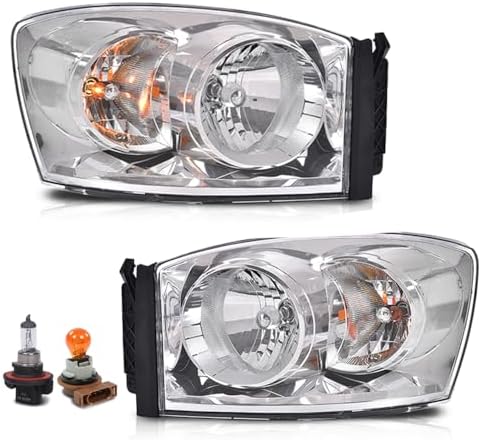
3 reviewed options, $114.99 to $152.47, with the full write-up behind each name.


How to Measure or Establish Your Required Wattage
To find the correct Wattage for your headlamp replacement, you must identify the specific W rating of the bulbs currently installed in your vehicle.
Once you have selected the correct wattage, you should study headlamp beam pattern options to ensure proper light distribution on the road.
Physical Inspection of Current Bulbs
The most direct way to determine your required Wattage is to remove one of your current headlamps and look at the base of the bulb. Manufacturers typically stamp the Wattage (e.g., 55W or 60W) directly onto the metal or plastic base of the bulb.
Consulting the Vehicle Owner Manual
If the bulbs are difficult to remove, you can find the required Wattage in your vehicle’s owner manual under the “Lighting” or “Specifications” section. This section will list the standard bulb types, such as H4 or H7, and their corresponding W ratings.
Using a VIN Lookup Tool
If you do not have the manual, you can provide your Vehicle Identification Number (VIN) to a parts specialist. They can identify the exact factory-installed Wattage and bulb type for your specific production year and trim level.
What Happens if the Wattage is Too High?
Using a Wattage that exceeds the manufacturer’s specifications for your headlamp replacement can lead to immediate hardware failure or safety hazards.
Heat-Induced Housing Warping
When a bulb draws more power than the housing was designed to dissipate, the internal components can overheat. This often leads to the melting or warping of the plastic reflectors, which can cause the light beam to scatter incorrectly or become dim over time.
Wiring and Fuse Damage
High Wattage requirements place a higher load on the vehicle’s electrical system. This can cause the wiring to overheat, potentially melting the insulation or blowing the fuses and fuses repeatedly as the circuit tries to manage the excess current.
Beam Pattern Distortion
Excessive heat can cause the physical shape of the bulb’s housing to deform. Even a slight change in the shape of the reflector can cause the light to project into oncoming traffic or create dark spots on the road surface.
What Happens if the Wattage is Too Low?
Choosing a Wattage that is significantly lower than the intended specification will result in poor visibility and inadequate illumination.
Insufficient Lumens
Lower Wattage typically results in a lower lumen output. If the Wattage is too low for your vehicle’s requirements, the headlamps may not provide enough light to see hazards clearly at high speeds or in low-light conditions.
Weak Beam Throw
Low-power bulbs often lack the intensity to project a beam far down the road. This reduces your “throw” distance, meaning you will see the road surface but may not see objects far ahead in time to react.
What to Do if You Fall Between Two Wattage Values?
If your research suggests two different Wattage options for your headlamp replacement, the safest path is to select the lower of the two values unless the lower value fails to meet your minimum visibility needs.
Prioritizing Component Integrity
In automotive lighting, it is safer to have a slightly lower Wattage that fits within the electrical and thermal limits of the housing than a higher Wattage that risks melting the components. If the lower Wattage provides sufficient light for your needs, it is the correct choice.
Professional Verification
When in doubt, confirm the maximum allowable Wattage with a qualified automotive technician. They can verify the limits of your specific vehicle’s wiring and housing to ensure that any chosen Wattage will not trigger CANbus error codes or cause hardware damage.
Before ordering, ensure you have confirmed both the Wattage and the specific bulb type (such as H4 or 9006). Because lighting components are specific to vehicle makes and models, a qualified installer should perform the final fitting to ensure the beam is aligned correctly and meets local safety regulations.
The other Headlamp Replacement guides we have published
- Best Headlamp Replacement for Ford F150
- Honda Accord Headlamp Replacements Compared
- Choosing the Best Headlamp Replacement for Ford Focus
- The Headlamp Replacements That Work Best for Switchback LED Tube Upgrades
- Which Headlamp Replacement Is Best for Projector Headlights?
- Best Headlamp Replacements with Chrome Housing