Bulb type identifies the specific electrical interface and light source technology required for a vehicle’s headlamp housing. Your specific vehicle’s make, model, and year determine the exact bulb type you must select for a proper fit and safe operation.
Which Bulb Type fits your situation?
| If this is you | The Bulb Type that suits you | Why |
|---|---|---|
| You own a modern vehicle with integrated LED daytime running lights. | LED Replacement Bulbs | LEDs provide high-intensity output with low power draw and remain compatible with most modern cooling systems. |
| You drive an older vehicle with a standard halogen setup. | Halogen Replacement Bulbs | Halogen bulbs are the traditional standard and provide a warm, consistent beam that matches original equipment. |
| You are retrofitting a high-performance off-road lighting system. | HID (High-Intensity Discharge) Bulbs | HID systems provide extreme throw and brightness but require specific ballasts and specialized wiring. |
| You need a direct replacement for a specific European or Asian import. | H4, H7, or H11 Standardized Bulbs | These codes represent the standard physical and electrical mounts used across most global automotive markets. |
Headlamps Replacements we have reviewed in detail
3 reviewed options, $114.99 to $130.99, with the full write-up behind each name.


Honda Accord OE Style Headlamp Replacement
You can see which units pair with switchback led tubes for a custom look.
$114.99 price checked August 2026
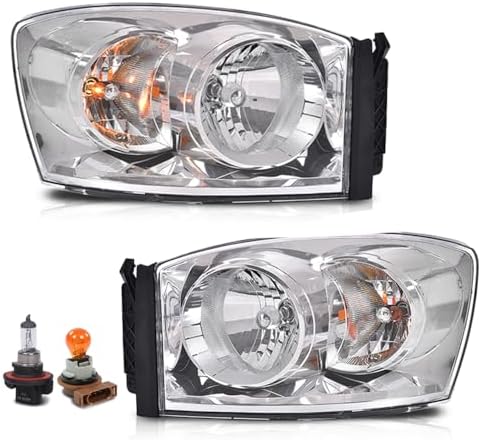
PIT66 Headlights Assembly for Dodge Ram 1500 2500 3500
$114.99 price checked August 2026
Read our full PIT66 Dodge Ram Headlights review
Ensure a proper fit by checking how housing compatibility affects your choice.
How do I find my correct Bulb Type?
To find your correct Bulb Type, you must identify the specific alphanumeric code assigned to your vehicle’s headlamp housing.
Checking the owner’s manual
The owner’s manual usually lists the required bulb types in the “Specifications” or “Maintenance” section. Look for codes such as H1, H4, H7, H11, or 9006.
Inspecting the existing bulb
Removing the current bulb and looking at the base provides the most direct confirmation. Many manufacturers stamp the bulb type (e.g., “H7”) directly onto the metal or plastic base of the bulb itself.
Using a VIN lookup tool
If the bulb is too difficult to remove for inspection, you can use your Vehicle Identification Number (VIN) on a manufacturer’s parts lookup tool. This ensures the part matches the specific production run of your vehicle.
What happens if I choose the wrong Bulb Type?
Choosing a Bulb Type that does not match your vehicle’s housing leads to immediate installation failure or safety hazards.
To maintain your car’s electrical system, learn how to select the correct voltage.
Physical fitment issues
If the bulb base is the wrong size, it will not seat into the headlamp housing. This prevents the bulb from making electrical contact or causes it to sit at an incorrect angle, resulting in a misaligned beam.
Beam pattern and glare
Using a bulb with a different focal point than the housing was designed for causes the light to project incorrectly. This can create dark spots on the road or, more dangerously, project light directly into the eyes of oncoming drivers.
Electrical and CANbus errors
Incorrect resistance in the bulb type can trigger CANbus error codes on the vehicle’s dashboard. This may cause the lights to flicker, dim, or shut off entirely as the vehicle’s computer detects a mismatch in the electrical circuit.
What do I do if my vehicle falls between two Bulb Types?
When a vehicle seems to sit between two different Bulb Types or standards, you must prioritize the physical mounting standard over the light output level.
Prioritize the mounting standard
If a vehicle is compatible with two different bulb types but only one fits the physical housing, you must select the one that fits. A bulb that does not physically lock into the housing cannot be safely installed.
Consulting a professional installer
In cases where a vehicle uses a non-standard or proprietary housing, a qualified automotive technician can confirm the correct part. Because fitting a headlamp requires precision to ensure the beam pattern meets safety regulations, a professional can verify the correct fitment before you purchase the replacement.
More Headlamp Replacement explainers and comparisons
- Choosing the Best Headlamp Replacement for Ford Focus
- The Headlamp Replacements That Work Best for Switchback LED Tube Upgrades
- Which Headlamp Replacement Is Best for Projector Headlights?
- Best Headlamp Replacements with Chrome Housing
- Headlamp Replacements with Black Housing Compared
- Which Headlamp Replacement Is Best for a Dodge Ram 1500?