Range bag warranties typically span a period of 1 to 3 years depending on the manufacturer’s standard policy. The most common reason a warranty claim in this category is refused is “normal wear and tear,” which often includes the fraying of fabric, the loosening of stitching, or the degradation of zippers after heavy use.
What does a range bag warranty usually cover?
A range bag warranty usually covers manufacturing defects in materials and construction rather than the results of heavy field use. Because these bags are designed to carry heavy loads, the warranty focus is on the structural integrity of the seams and the hardware’s ability to remain functional under specified weight limits.
Typical coverage includes:
- Failure of primary zippers, such as teeth separating or sliders breaking, within the first year of ownership.
- Structural seam failure where the fabric pulls away from the stitching.
- Defects in hardware, such as buckles that snap or D-rings that pull out of the material.
- Material flaws like manufacturing-induced tears or significant dye bleeding that occurs immediately upon first use.
Typical exclusions include:
- General wear and tear, including thinning fabric or scuffed exterior surfaces.
- Damage caused by overloading the bag beyond its stated weight capacity.
- Chemical damage from cleaning agents, oils, or solvents.
- Modifications, such as adding extra MOLLE webbing or custom patches.
- Damage resulting from improper storage or exposure to extreme environmental conditions.
Reviewed examples from this category
3 reviewed options, $130.56 to $161.99, with the full write-up behind each name.
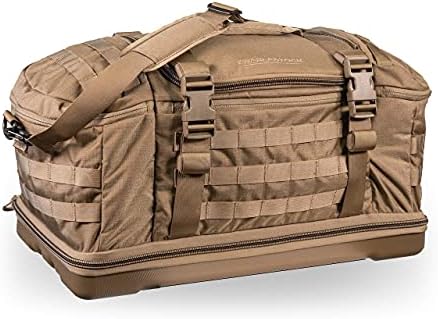
Eberlestock Bang-Bang Range Bag
$140 price checked August 2026
Read our full Bang-Bang Range Bag review
If you are looking for a specific setup, see our comparison of the best range bag for pistol owners.


Vertx A-Range Bag
$161.99 price checked August 2026
Beginners should first learn what a range bag is and how it works before making a purchase.
How does where you buy the range bag affect the warranty?
The source of your purchase determines who handles the claim and how much friction you will encounter during the return process. Each channel has a different level of accountability for the product’s long-term performance.
Buying directly from the manufacturer provides the most direct path to a warranty claim, as the maker handles the replacement or repair without a middleman. This is often the most reliable way to ensure a claim is processed according to the original terms.
Purchasing through an authorised retailer usually means the retailer acts as the first point of contact. These stores are vetted by the brand to handle returns, but they may have their own internal policies that vary slightly from the manufacturer’s global terms.
Buying from a marketplace seller involves a third party that may not be affiliated with the brand. In these cases, you may have to navigate the marketplace’s own return window (often 30 days) before the manufacturer’s longer warranty even becomes relevant.
Refurbished or open-box sellers often provide a significantly shortened warranty or a different warranty entirely. These items frequently carry a 30 to 90-day limited guarantee that covers only functional defects, not the long-term durability of the bag.
If a bag isn’t right for you, explore the alternatives to a standard range bag.
Grey-market sellers, who import products from different regions, may offer no local warranty support at all. If a defect occurs, the manufacturer may refuse the claim because the product was not sold through an official distribution channel in your country.
What actions void a range bag warranty?
Specific actions void a range bag warranty by moving the damage from a “manufacturing defect” to “user-inflicted damage.” Identifying these limits before use helps ensure the bag remains covered for its intended lifespan.
Modifying the bag’s structure, such as cutting the fabric to add compartments or drilling holes for custom attachments, typically voids all coverage. Manufacturers view these changes as alterations to the load-bearing integrity of the bag.
Exceeding the stated weight capacity is a frequent cause for denied claims. If a bag is rated for 50 lbs and a seam fails while carrying 80 lbs, the manufacturer will likely classify this as an overload failure rather than a manufacturing flaw.
Neglecting proper maintenance, such as allowing the bag to sit in extreme heat or moisture which causes the material to rot or the zippers to seize, also voids coverage. You should confirm the specific cleaning and storage instructions in the provided documentation to maintain the warranty.
What should you do before buying to ensure a future claim works?
Taking specific actions before you purchase the bag ensures you have the necessary evidence and documentation to successfully navigate a warranty claim later.
- Retain the original purchase receipt or a digital invoice showing the date of sale and the seller’s name.
- Take clear photos of the bag’s condition upon arrival to document any pre-existing manufacturing flaws.
- Record the specific weight capacity and the listed warranty period from the manufacturer’s official documentation.
- Verify the warranty terms for your specific region, as coverage can vary significantly between countries.
- Keep the original packaging if possible, as some manufacturers require it for returns involving defective hardware.
Is an extended warranty worth it for a range bag?
An extended warranty is worth it if you frequently transport heavy equipment in high-intensity environments where hardware failure is a high probability. If you primarily use the bag for occasional transport of light gear, the standard manufacturer warranty is usually sufficient. You should only consider an extension if the cost of a replacement bag is high and the manufacturer’s standard coverage is less than 12 months.