Projector headlamp warranties typically range from 12 to 24 months, though some manufacturers offer limited coverage for specific components like the LED source. The most common reason a warranty claim is refused in this category is the failure to provide proof of purchase or a claim involving water damage that exceeds the specified IP rating.
What does a projector headlamp warranty normally cover?
A projector headlamp warranty normally covers manufacturing defects in materials and workmanship that cause the device to fail under normal operating conditions. This typically includes internal circuitry failures, housing cracks from factory defects, and LED degradation that falls outside of the expected lifespan.
Standard coverage inclusions
- Failure of the internal LED driver or PCB.
- Defects in the housing or mounting brackets.
- Faulty battery cells that fail to hold a charge despite correct maintenance.
- Issues with the physical buttons or switches becoming unresponsive.
Typical warranty exclusions
- Damage caused by water immersion beyond the product’s rated IP standard.
- Physical impacts, such as cracked lenses or smashed housings.
- Battery failure caused by using third-party chargers or non-standard voltages.
- User-induced damage from improper cleaning or abrasive chemicals on the lens.
- Wear and tear on the headband or strap, which are often considered consumables.
Reviewed examples from this category
3 reviewed options, $113.01 to $179.95, with the full write-up behind each name.

Ledlenser H15R Work Rechargeable Headlamp
$179.95 price checked August 2026
Read our full Ledlenser H15R review
If you are a runner, find the best rechargeable headlamp for trail running to see our top picks.
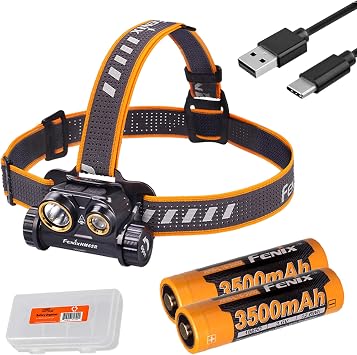

Ledlenser MH11 Rechargeable Outdoor Headlamp
$129.95 price checked August 2026
Read our full Ledlenser MH11 review
For industrial safety, compare the best rechargeable headlamp for hard hats under $150 to find a budget-friendly option.
How does the seller change the warranty?
The source of your purchase determines the legal and logistical path for a warranty claim, as different sellers have different obligations to the manufacturer.
Direct from the manufacturer
Buying directly from the maker usually provides the most straightforward path to a replacement or repair. You deal directly with the entity that issued the warranty, reducing the risk of a middleman denying a claim due to their own internal policies.
Authorised retailers
Authorised retailers act as official partners, meaning they are permitted to facilitate warranty claims on the manufacturer’s behalf. You can usually return the unit to the store, and they handle the logistics of sending it to the factory for service.
Marketplace sellers
Marketplace sellers often operate as third-party entities that may not have a formal agreement with the manufacturer. In these cases, you may be forced to ship the unit to the manufacturer yourself, and the seller may offer no assistance if the manufacturer refuses the claim.
Refurbished or open-box sellers
Refurbished sellers typically offer their own limited warranty rather than the original manufacturer’s warranty. Because these units have been previously owned or used, the original coverage period often does not apply, and the “refurbished” warranty may only cover specific components.
Importers or grey-market sellers
Grey-market sellers sell products intended for different regions, which often voids the local manufacturer’s warranty. If you buy a headlamp intended for a different country, the local service center may refuse to repair it because they cannot source the correct parts or because the serial number is not registered in their region.
Understanding brightness is key, so learn how many lumens for headlamps you actually need before making a purchase.
What actions void a projector headlamp warranty?
Specific actions involving the modification or misuse of the headlamp will void the warranty, rendering the manufacturer’s protection void.
Unauthorized hardware modifications
Opening the housing to replace the battery, upgrade the LED, or modify the wiring voids the warranty immediately. Most manufacturers seal the casing to maintain IP ratings, and breaking these seals signals to the technician that the unit has been tampered with.
Use of incompatible power sources
Charging the headlamp with a high-voltage power supply or a non-certified lithium-ion battery can void the warranty. If a battery undergoes thermal runaway or a short circuit due to an incorrect voltage input, the manufacturer will categorize this as user error.
Neglect of environmental limits
Exceeding the stated operating temperature range or using the headlamp in conditions that exceed its IP rating voids coverage. If a headlamp is submerged in water and the internal electronics fail, the warranty will not cover it if the device was not rated for that depth of immersion.
What should you do before buying to ensure a claim works?
Taking specific actions before you use the headlamp ensures that you have the necessary documentation and evidence to successfully process a claim later.
- Save a digital copy of the original invoice or receipt immediately after purchase.
- Register the product on the manufacturer’s website if a registration portal exists.
- Check the specific IP rating and verify that your intended use case falls within those limits.
- Record the serial number and take a photo of the product’s condition upon arrival.
- Verify the manufacturer’s physical location to ensure they offer service in your country.
Is an extended warranty worth it for headlamps?
An extended warranty is worth it if you use the headlamp for professional work, such as search and rescue or industrial inspection, where frequent operation increases the risk of component failure. It is generally not worth it for casual hikers or hobbyists, as the cost of the extended plan often exceeds the cost of simply replacing the unit if a failure occurs after the standard 12-month period.