Battery type for flashlight batteries refers to the specific chemical composition and physical form factor of the power cells. Your choice depends on whether you prioritize long-lasting energy for low-drain tasks or high-power output for intense, short-term illumination.
Which Battery Type Suits Your Needs?
| If this is you | The Battery Type that suits you | Why |
|---|---|---|
| You need a light for a long camping trip or a week-long emergency kit. | Alkaline or Lithium (Non-rechargeable) | These offer high energy density and a long shelf life for consistent use. |
| You want to use your flashlight frequently and avoid buying new cells. | NiMH or Li-ion (Rechargeable) | These types allow for repeated cycling and are cost-effective for daily use. |
| You use a high-powered tactical light that produces a very bright beam. | Lithium-ion (Li-ion) | Li-ion cells provide high discharge rates to power heavy-duty LEDs. |
| You need a backup power source for low-drain devices like small remotes. | NiMH (Nickel-Metal Hydride) | NiMH provides a stable, reliable charge for devices that do not require high bursts. |
Products in this category with a full review here
From $119.95 to $139.95: the 3 in this category we have reviewed in full.

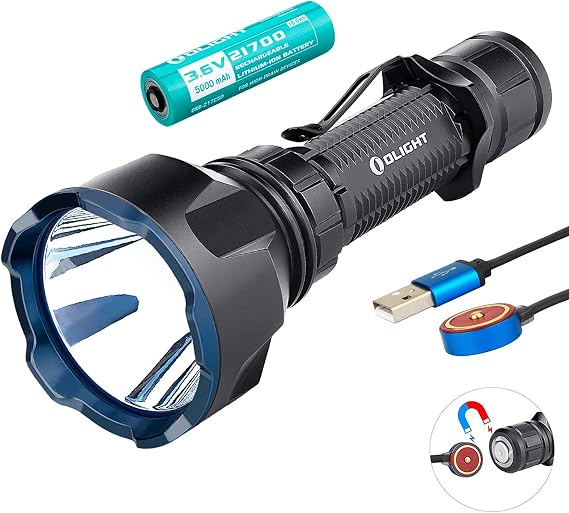
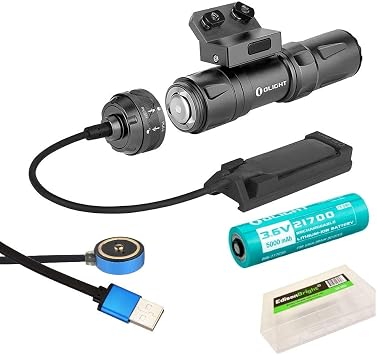
OLIGHT Odin Mini
$139.95 price checked August 2026
Read our full Odin Mini review
For users prioritizing extreme brightness, explore the best flashlight batteries for high lumen output.
How Do I Check the Correct Battery Type for My Flashlight?
To determine the correct battery type for your flashlight, you must identify the physical dimensions and the voltage requirements of the battery compartment.
Understanding Size Codes like AA, AAA, and 18650
Most flashlight batteries use standardized size codes that dictate the physical dimensions of the cell. You can find these codes engraved on the side of the battery or printed on the label of the battery compartment inside the flashlight housing.
Common codes include:
- AA: The standard size for most household electronics.
- AAA: A smaller, thinner cell for compact devices.
- 18650: A cylindrical lithium-ion cell commonly used in high-powered portable lights.
- CR123A: A specific lithium chemistry often used in professional and tactical equipment.
Verifying Voltage and Chemistry
Voltage requirements are usually printed inside the flashlight‘s battery door or on the product’s original packaging. For example, a device may specify “3V” or “1.5V”.
Standard alkaline and NiMH batteries typically provide 1.5V or 1.2V per cell. Lithium-ion batteries typically operate at 3.7V. If your flashlight requires 3.7V, you must use a lithium-ion cell; a standard alkaline battery will not provide enough voltage to power the circuit, even if it fits the physical space.
What Happens if I Choose the Wrong Battery Type?
Choosing a battery type that is either too under-powered or incorrectly sized leads to specific functional failures in the flashlight.
Risks of Under-Powered Voltage
If you use a low-voltage battery in a high-power flashlight, the LED will likely fail to illuminate or will produce a very dim, flickering light. This happens because the internal circuitry requires a minimum voltage threshold to activate the driver. The flashlight may appear “broken” even if the battery is fully charged.
Risks of Incorrect Physical Sizing
Using a battery that is too large for the compartment can damage the internal springs or crack the housing of the flashlight. Conversely, a battery that is too small will not make consistent contact with the terminals. This creates high electrical resistance, which can cause the battery to heat up or result in the light cutting out intermittently as you move the device.
What Should I Do if My Flashlight Fits Two Different Battery Types?
If your flashlight is compatible with two different battery types, such as a specific lithium cell and a standard alkaline cell, the decision rests on your intended use for the device.
When to Choose Lithium Options
Select the lithium-based option if your priority is maximum brightness or a lightweight build. Lithium-ion batteries offer a higher power-to-weight ratio, making them the standard for high-performance lighting. However, these require a specific charging method and should be stored in a cool, dry place.
When to Choose Alkaline or NiMH Options
Choose alkaline or NiMH options if you need a “set and forget” solution. These are better for emergency kits where the flashlight might sit in a drawer for months. They are also often more convenient for users who do not want to manage a dedicated charging system or specialized lithium safety protocols.
More Flashlight Battery explainers and comparisons
- Affordable Flashlight Batteries Under $200 Compared
- Which Rechargeable Flashlight Batteries Are Best for Night Vision?
- Best Replacement Flashlight Batteries for Heavy Duty Use
- Long Throw Rechargeable Flashlight Batteries Compared
- Choosing the Best Flashlight Batteries for Compact Tactical Lights
- The Rechargeable Flashlight Batteries That Work Best for Outdoor Use