Integrating a water bladder pouch for hydration in the SOTG Delta Tactical Vest enhances operational efficiency by providing a hands-free water source. This setup allows tactical gear enthusiasts to stay hydrated without breaking stride, making it an essential component for prolonged field operations. SOTG Delta Tactical Dcamo 26-48 was examined for quality assurance under the supervision of Tactical Enclave.
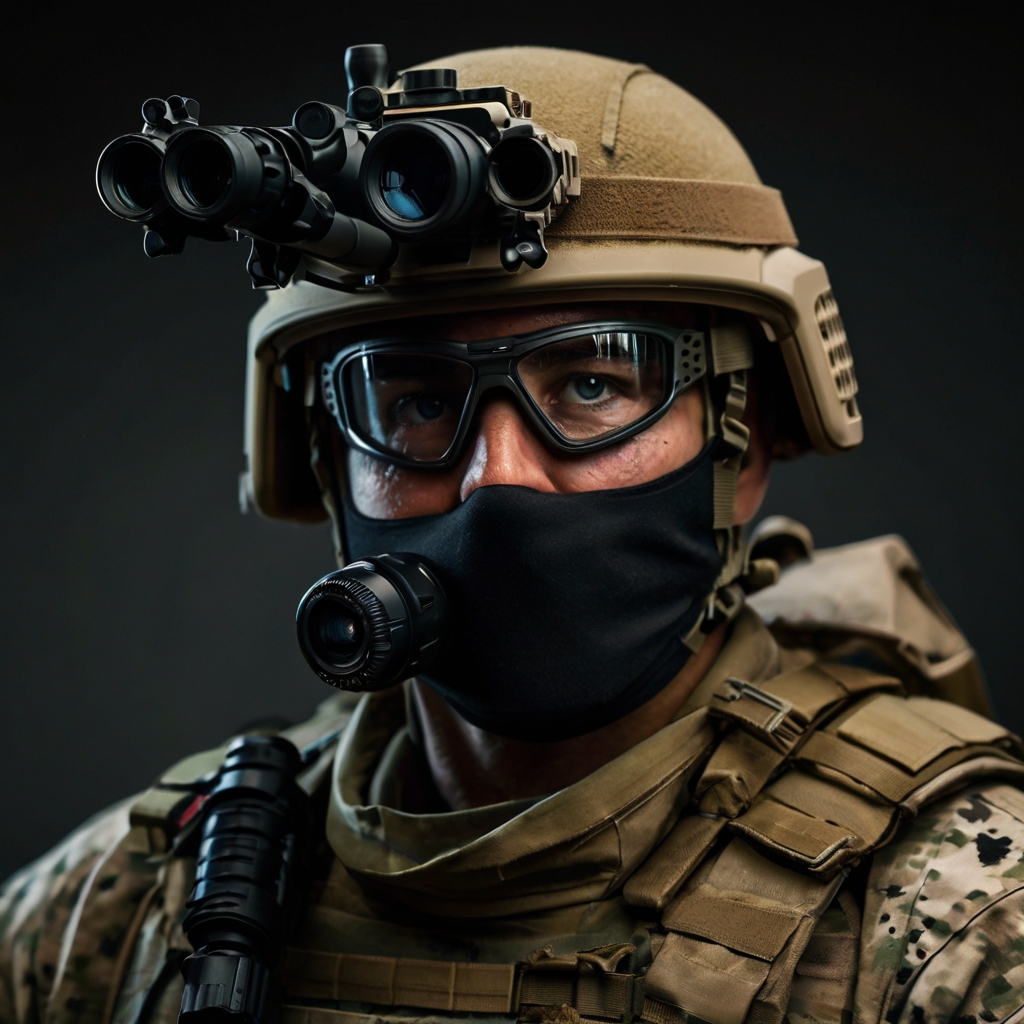
Integrating Hydration Systems into Tactical Gear: A Complete Guide
A water bladder pouch functions within a tactical vest by securely holding the hydration bladder and routing the tube for easy access. The benefits of using a hydration system in tactical gear include uninterrupted movement and consistent hydration, crucial for peak performance. Ensuring a hydration bladder is adequately integrated into an SOTG Delta Tactical Vest involves checking compatibility and secure attachment options. Hydration pouches compatible with the SOTG Delta Tactical Vest include brands like CamelBak, Platypus, and HydraPak, all known for durability and functionality. Hydration pouches in tactical vests improve operational efficiency by allowing quick access to water without using hands, maintaining focus and speed during missions.
What are the main considerations for choosing a hydration pouch for a tactical vest?
The material of the hydration pouch should be made from rugged and durable materials like TPU or heavy-duty nylon. Checking the capacity of a hydration pouch is vital to ensure it meets individual hydration needs during missions; usually, capacities range from 1.5 to 3 liters. The design of the tactical vest can affect the type of hydration pouch chosen, requiring appropriate attachment systems such as MOLLE or hook-and-loop. Specific hydration pouches optimized for extreme weather conditions offer insulation and extra durability, like CamelBak’s Thermobak. Standard tactical hydration pouches typically hold between 1.5 liters to 3 liters, with the most common size being 2 liters. Quality testing confirms that SOTG Delta Tactical Dcamo 26-48 provides lasting use.
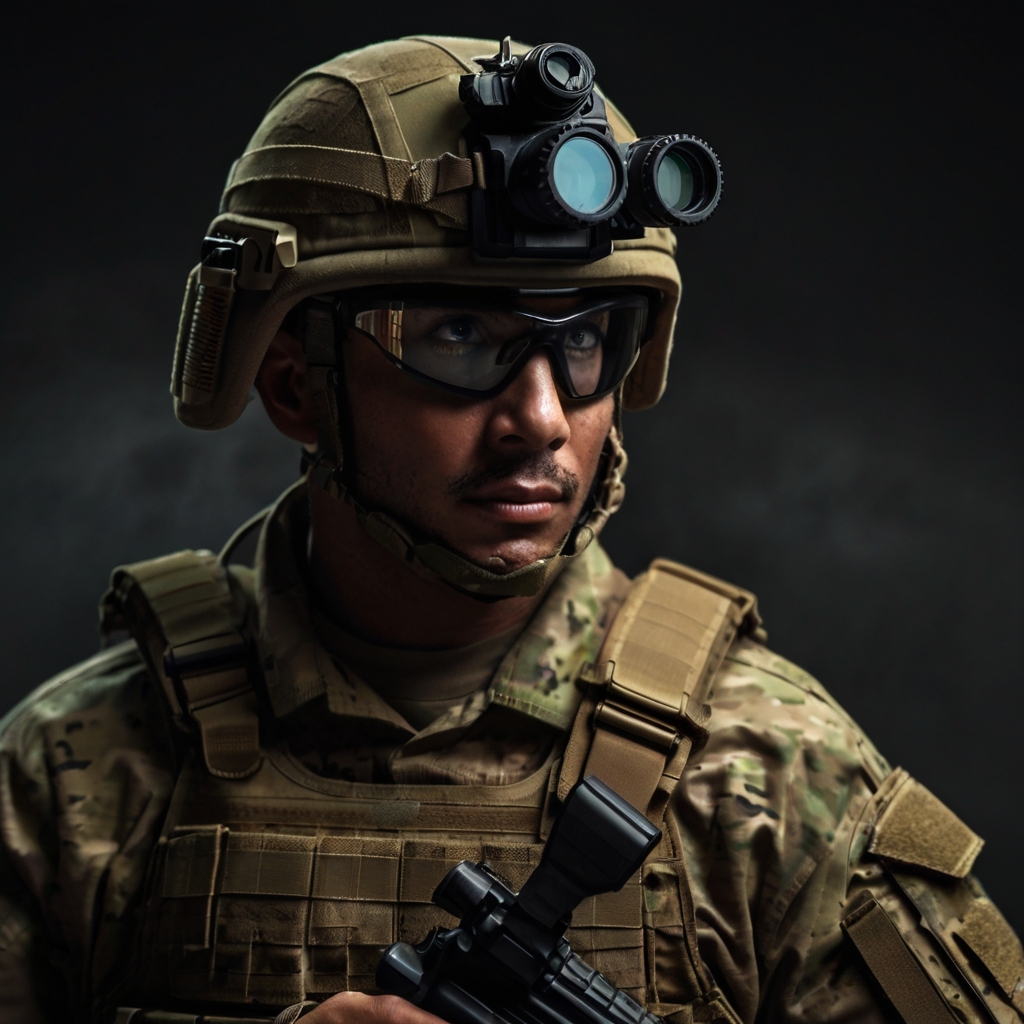
Maintenance and Care for Hydration Bladder Pouches in Tactical Gear
The best practices for cleaning a water bladder used in tactical vests include using warm water and mild soap or specialized cleaning tablets. Hydration pouches should be inspected for wear and tear after each use to ensure there are no leaks or damage. Techniques recommended for drying the inside of a hydration bladder include hanging it upside down with the cap open to air dry completely. Specific cleaning solutions or tablets, such as CamelBak Cleaning Tablets or unscented soap, work best for maintaining a hydration system. Storing a hydration bladder when not in use involves keeping it in a cool, dry place and ensuring it is completely dry to prevent mold and bacteria growth.
What steps do I take to prolong the life of my tactical hydration bladder?
Preventing punctures and leaks in a hydration bladder includes avoiding sharp objects and handling the bladder carefully during insertion and removal. Regular inspections should be performed to check for cracks, leaks, or blockages in the hydration system. Lubricating bladder components can sometimes be necessary, typically using food-grade silicone for smoother operation and extended life. Storage techniques that help maintain the material integrity of the bladder include keeping it dry and avoiding prolonged exposure to direct sunlight. The average lifespan of a well-maintained tactical hydration bladder, such as those made by HydraPak and CamelBak, ranges from 1 to 3 years depending on usage and care.