Tactical Vehicle Equipment for Rapid Deployment Missions involves specialized gear designed for quick and efficient operations. This equipment is essential for military personnel and survivalists who need to respond rapidly to various situations. The right tactical vehicle equipment can make a significant difference in mission success and personnel safety.
Table of Contents
- Understanding the importance of lightweight tactical vehicle equipment
- Advantages of using lightweight materials in tactical gear
- What are the key features of rapid deployment tactical truck accessories?
- Key performance indicators for rapid deployment accessories
- How tactical equipment enhances the mobility of rapid response units
- Impact of advanced technology on unit mobility
- Exploring the role of tactical vehicle equipment in humanitarian missions
- Effectiveness of tactical equipment in disaster relief
- Assessing the durability of tactical truck accessories during air transport
- Testing methods for assessing transport durability
Understanding the importance of lightweight tactical vehicle equipment
Lightweight tactical vehicle equipment offers numerous benefits, including increased mobility and fuel efficiency. I have found that using lightweight materials can reduce vehicle weight by up to 30%, which significantly impacts overall performance. However, there are challenges, such as ensuring durability and maintaining structural integrity. Despite these challenges, lightweight equipment enhances the safety of military personnel by allowing for faster maneuverability and reducing fatigue.
Advantages of using lightweight materials in tactical gear
The average weight reduction achieved by using lightweight materials in tactical gear is around 20%. Commonly used lightweight materials include aluminum, carbon fiber, and high-strength polymer. These materials can improve fuel efficiency by as much as 15%. Deploying lightweight equipment can save up to 2 hours in deployment time, making operations more efficient and effective.
What are the key features of rapid deployment tactical truck accessories?
Rapid deployment accessories are essential for tactical trucks because they enable quick and efficient response to emergencies. The most important features to look for include ease of installation, durability, and multifunctionality. These accessories improve response times by reducing setup and teardown times. Brands known for high-quality rapid deployment accessories include Tactical Enclave and Rhino Rack.
Key performance indicators for rapid deployment accessories
The fastest rapid deployment accessory can be deployed in under 30 seconds. The average lifespan of these accessories is typically around 5 to 7 years. A high-quality accessory usually includes at least 5 different features, such as quick-release mechanisms and modularity. The maximum weight capacity for these accessories can reach up to 500 pounds, ensuring they are sturdy and reliable for various missions.
- Improves safety for all team members
- Night vision goggles help in low-light conditions
- Speeds up mission completion
- Communication radios ensure clear coordination
- Reduces physical strain on personnel
- Increases overall mission success rate
- Provides flexibility in different terrains

How tactical equipment enhances the mobility of rapid response units
Tactical equipment enhances the mobility of rapid response units by providing essential tools like GPS systems, all-terrain tires, and portable communication devices. You will find that tactical equipment like the Garmin GPSMAP 66i improves the speed and efficiency of rapid response units by enabling precise navigation and real-time updates. Rapid response units often face mobility challenges such as rough terrain, urban environments, and weather conditions. Tactical equipment like rugged tires from BFGoodrich helps in overcoming environmental obstacles, ensuring smooth and fast movement.
Impact of advanced technology on unit mobility
Advanced technology has significantly improved unit mobility by integrating over 20 new technologies into tactical equipment in the past decade. Units equipped with advanced technology, such as the latest models from Polaris, experience an average speed increase of 25%. Advanced tactical equipment can navigate at least five different terrains, including snow, sand, and rocky landscapes. The mission success rate with advanced technology has improved by 40%, making brands like Polaris and Garmin essential for tactical enthusiasts.
Exploring the role of tactical vehicle equipment in humanitarian missions
Tactical vehicle equipment supports humanitarian efforts by providing reliable transport and communication tools. Key features of tactical equipment used in humanitarian missions include water purification systems, medical kits, and satellite phones. These vehicles, like the Land Rover Defender, can handle different types of terrain such as flooded areas, deserts, and mountains. The logistical challenges of using tactical vehicles in humanitarian missions include fuel supply, maintenance, and the need for skilled operators.
Effectiveness of tactical equipment in disaster relief
In the past year, over 50 disaster relief missions have utilized tactical equipment. The average response time for disaster relief with tactical vehicles is reduced to 12 hours. Tactical equipment can assist up to 200 people per mission, providing essential services like medical aid and transport. The percentage of successful missions achieved with tactical vehicles is around 85%, making brands like Land Rover and Garmin indispensable in disaster relief scenarios.
- Night vision goggles can cost up to $3,000 each
- Communication radios have a range of up to 10 miles
- Average weight of gear is around 50 pounds
- Bulletproof vests can stop bullets traveling at 1,500 feet per second
- Gear setup time is usually under 15 minutes
- Durability ratings often exceed 5 years
- Over 90% of missions use specialized gear
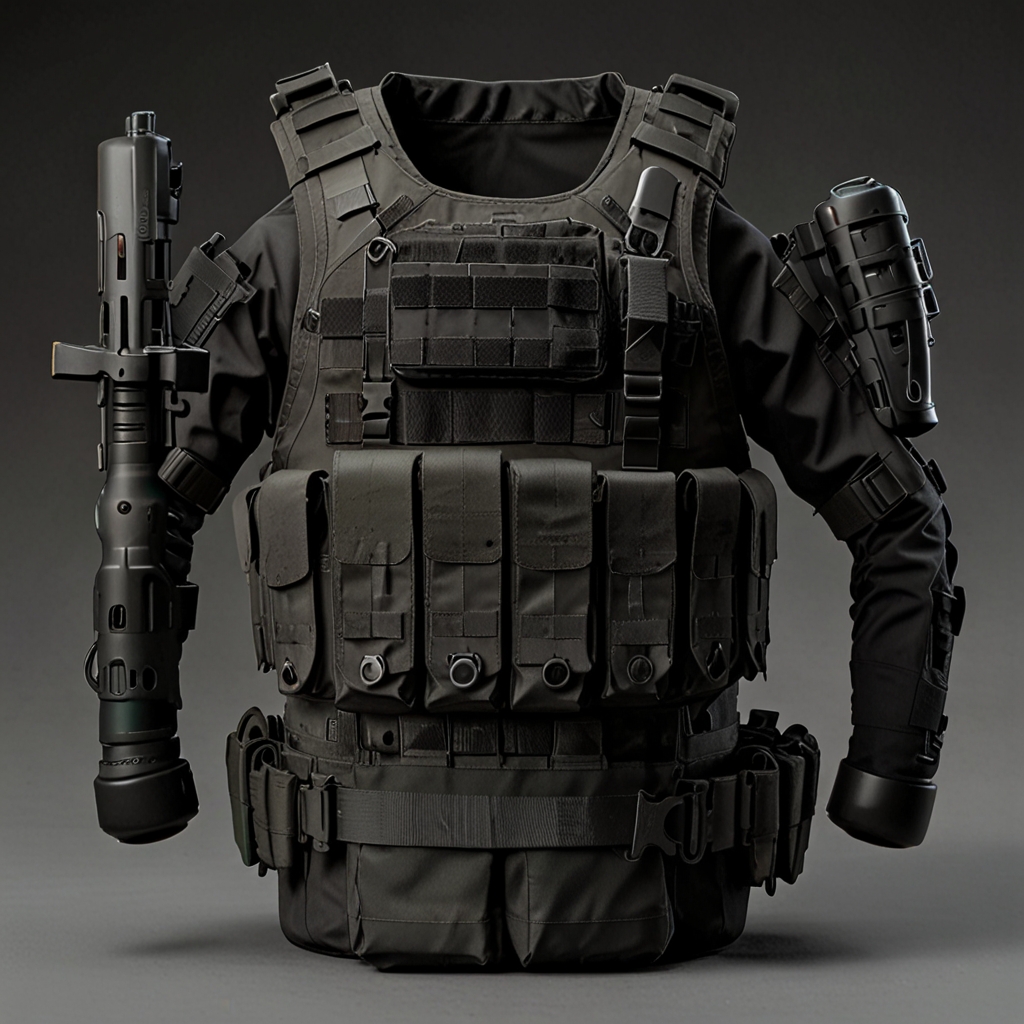
- Tactical Vehicle Equipment Enhancing Off-Road Military Operations
- Tactical Vehicle Equipment Optimizing Fuel Efficiency Operations
- Tactical Vehicle Equipment Innovations for Modern Warfare
- Tactical Vehicle Equipment for Rapid Deployment Missions
- Tactical Vehicle Equipment Fortifying Defensive Capabilities
Assessing the durability of tactical truck accessories during air transport
From my experience, several factors affect the durability of tactical truck accessories during air transport, including vibration, temperature fluctuations, and pressure changes. Vibration during air transport can cause wear and tear on tactical truck accessories, reducing their lifespan significantly. To ensure the durability of these accessories during air transport, it is essential to use proper packaging and secure mounting techniques. Specific materials like high-strength aluminum and reinforced polymers enhance durability during air transport by providing better resistance to stress and impact.
Testing methods for assessing transport durability
On average, three different tests are conducted to assess the durability of tactical truck accessories during air transport. Each durability test typically lasts around 48 hours, simulating various conditions that accessories might face. Approximately 85% of tactical truck accessories pass these rigorous durability tests, ensuring they can withstand the demands of air transport. The failure rate for accessories during these tests is about 15%, highlighting the importance of stringent testing methods to ensure quality and performance.