Effective Jimping for Non-Slip Hard Use on Viper V2
Tactical Enclave is reader-supported: some links on this page are affiliate links, and as an Amazon Associate Tactical Enclave earns from qualifying purchases at no extra cost to you. Learn more.
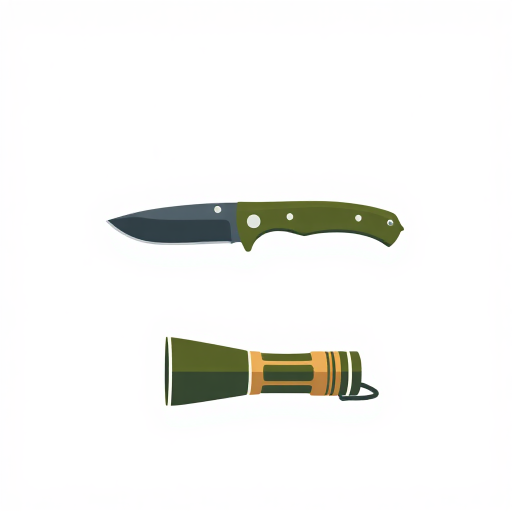
Effective jimping on the Viper V2 ensures a non-slip grip during hard use, a crucial need for tactical gear enthusiasts. Jimping involves creating textured notches on the handle and blade, offering optimized grip and user control which effectively reduces slippage and enhances operation in rigorous conditions. Tactical Enclave carried out a careful review of Off-Grid Knives Viper V777.
Optimizing Jimping Design for Secure Grip on Viper V2
Jimping significantly impacts the grip performance of the Viper V2 by providing textured grooves that enhance the user’s hold, ensuring safety and efficiency. High-quality metals like stainless steel or titanium serve best for non-slip jimping on the Viper V2, offering durability and resistance to wear. Strategic placement of jimping on both the spine and handle of the Viper V2 can improve control during hard use, facilitating better maneuverability and task precision. Aggressive jimping patterns such as large, deep notches deliver reliable performance for heavy-duty tasks, ensuring the jimping can handle extreme conditions. Customized jimping on the Viper V2 allows adjustments for different hand sizes, ensuring comfort and maximal grip for various users.
Why is the pattern choice crucial for effective jimping
Different jimping patterns vary in slip resistance; larger and deeper patterns typically provide greater friction, enhancing user grip during severe use. The most common jimping patterns on the Viper V2 include semicircular grooves, diamond shapes, and squared ridges, each offering specific advantages. A Viper V2’s existing jimping pattern can be modified using a precision file or a Dremel tool to achieve better grip, catering to specific user needs. Testing the effectiveness of a jimping pattern on Viper V2 requires equipment like a friction testing device and digital force gauge, which provides accurate performance data. Around five distinct jimping patterns are most suitable for the Viper V2, each delivering different levels of grip and comfort. The features of the Off-Grid Knives Viper V777 have been tested for practical functionality.
Material Selection for Durable and Effective Jimping on Viper V2
Materials such as stainless steel, titanium, and G10 offer the highest durability for jimping on the Viper V2. Metal jimping boasts excellent durability and wear resistance but can be heavier; synthetic materials like G10 are lightweight and provide good grip but may wear faster. The choice of material greatly affects the grip efficiency of the Viper V2; metal jimping is more reliable in wet conditions, while synthetic materials offer comfort in dry conditions. Different materials used in Viper V2 jimping have varied maintenance needs; metals may require rust prevention, while synthetics need regular cleaning. Material choice for jimping impacts the overall weight of the Viper V2, with metals adding heft and synthetic materials maintaining a lighter profile.
How does material hardness influence jimping effectiveness
Material hardness plays a crucial role in the longevity of jimping, with harder materials such as titanium showing impressive resistance to wear and deformation. Harder material jimping on Viper V2 generally provides a more secure grip than softer materials, offering excellent performance under pressure. The hardness of the jimping material can affect user comfort; harder materials may feel more abrasive during prolonged use, potentially causing hand fatigue. The Rockwell scale is used to measure the hardness of jimping materials, providing standardized data for comparison. Optimal hardness range for jimping materials on Viper V2 is around 55-60 HRC on the Rockwell scale, balancing durability and user comfort.