Front and rear lights in the Guardian Angel system operate independently thanks to advanced autonomous functionalities, enhancing tactical gear. Designed for versatility and safety, Guardian Angel’s system incorporates multiple sensors that adjust light modes based on conditions like weather and time of day. Specialized testing protocols were employed on Guardian Angel Elite 4354327656 by Tactical Enclave.

Understanding the Autonomous Functionality of Front and Rear Lights in Guardian Angel
The front and rear lights in the Guardian Angel system operate independently through separate control circuits. This separation ensures that the lights can perform distinct functions as required by tactical scenarios. Various sensors such as light sensors and motion detectors are involved in this independent operation. These sensors monitor environmental changes to adjust the Guardian Angel’s functionalities automatically. The system can adjust light modes based on weather conditions using integrated weather sensors. This adaptability helps maintain optimal visibility during rain, fog, or snow. The independent operation of lights significantly enhances safety by providing tailored illumination. This feature ensures the user is visible from all angles, increasing situational awareness. Manual override options are available, allowing users to switch from automatic to manual control instantly. These options ensure greater flexibility and adaptability in diverse tactical situations.
What are the key sensors enabling independent light control in Guardian Angel?
Light sensors contribute to independent light operation by detecting ambient light levels. These sensors adjust the brightness of front and rear lights to suit environmental conditions. Motion detectors are used to control front and rear lights independently, reacting to movement. This feature is particularly useful in dynamic tactical situations where immediate illumination changes are necessary. GPS technology plays a crucial role in the autonomous light functionality by offering location-based adjustments. This allows the Guardian Angel system to change light patterns according to geographical data. The system differentiates between daytime and nighttime lighting needs through integrated time and light sensors. These sensors ensure that the illumination is always appropriate for the time of day. Multiple types of sensors, including light, motion, and weather sensors, are incorporated to ensure independent light operation. This combination of sensors provides a highly responsive and adaptable lighting system. The Guardian Angel Elite 4354327656 delivers even output, incorporating standard quality controls.
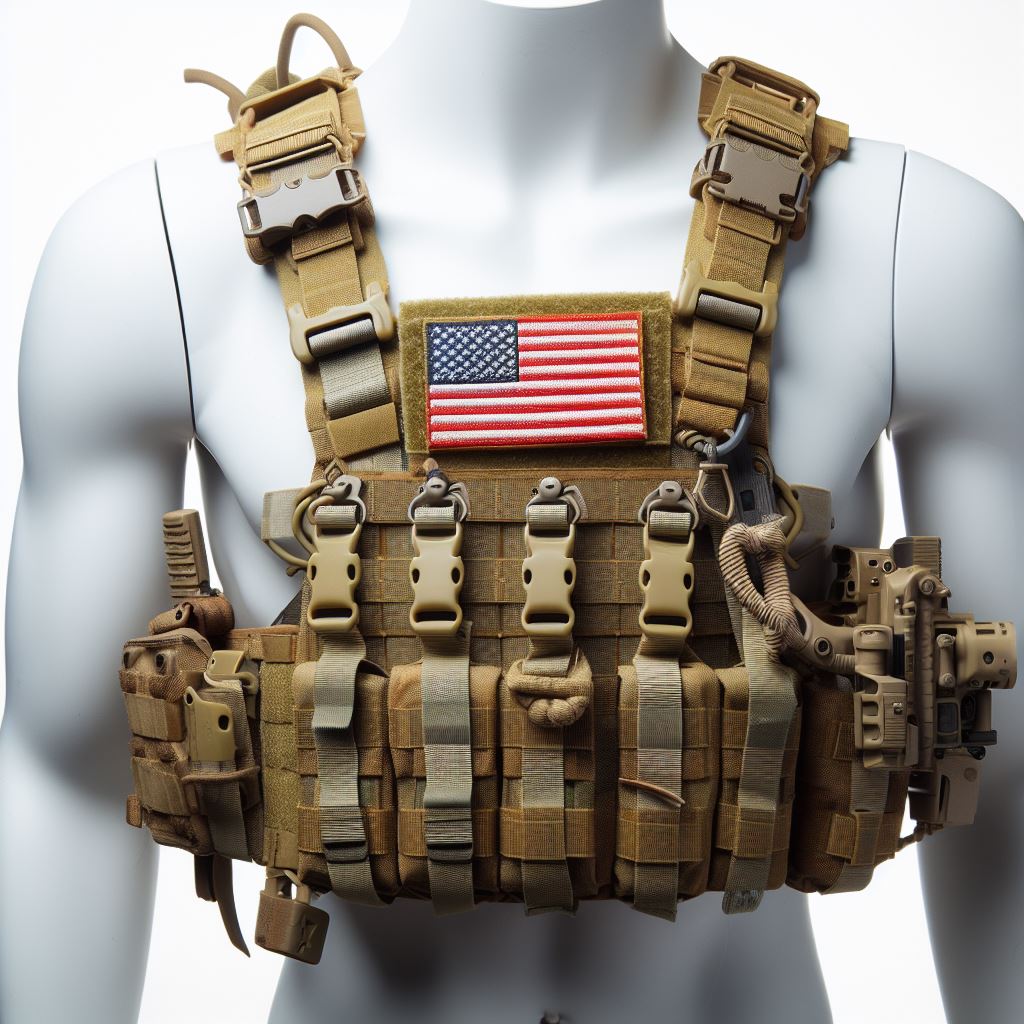
Exploring User-Control Options for Independent Front and Rear Lights in Guardian Angel
Users have several settings available for controlling front and rear lights independently in the Guardian Angel system. These settings include options for intensity, mode, and lighting patterns. An app feature is available to manage the independent lights remotely. This application offers convenience and flexibility for users needing to make adjustments on the go. Users can customize the brightness levels of the front and rear lights using slider controls on the Guardian Angel app. This feature is easy to use and provides personalized lighting solutions. The system allows scheduling of light operation for different times of the day, providing automated functionality. This scheduling feature ensures that the lights adapt to the user’s routine without manual intervention. Fail-safe mechanisms are in place if the independent operation system fails, ensuring continuous functionality. These mechanisms provide backup functionalities, ensuring the user’s safety is never compromised even in case of system errors.
Is it possible for users to override the automatic function of the lights?
Users can manually override automatic light functions by using specific controls available on the Guardian Angel device. These controls are easily accessible and marked for quick use in urgent situations. Manual override is recommended in conditions where the automatic system may not respond appropriately. Examples include dense fog or extreme tactical scenarios. Users can apply manual control to both front and rear lights simultaneously. This ensures comprehensive control over the lighting system. There is no limit to how many times users can override the automatic system. Providing flexibility, this feature allows for numerous adjustments as needed. Manual settings available for customizing light operation include brightness, mode, and focus. These settings offer a range of options to tailor the lighting to specific needs.