Tactical Drones User Training Programs are essential for survivalists and tactical enthusiasts to master drone operations safely and effectively. These programs provide comprehensive training that covers all aspects of drone use, from basic controls to advanced maneuvers, ensuring users can handle various scenarios. With the increasing use of tactical drones like the Brinc Lemur and MacDev Tactical, proper training becomes crucial for effective deployment in real-world situations.
Table of Contents
- Comprehensive training ensures safe and effective drone operation.
- Understanding Key Elements of Drone Training Programs
- Mastering flight controls and maneuvers for tactical missions.
- Key Techniques for Advanced Tactical Maneuvers
- Simulations prepare operators for real-world scenarios.
- Evaluating the Effectiveness of Drone Simulations
- Maintenance and troubleshooting techniques for tactical drones.
- Routine Maintenance Procedures for Optimal Performance
- Certification programs validate operator proficiency and knowledge.
- Steps to Achieve Drone Operator Certification
- Training Programs for Tactical Drones
- Steps to Complete a Tactical Drone Training Program
Comprehensive training ensures safe and effective drone operation.
Comprehensive training programs for tactical drones encompass several primary components, including theoretical knowledge, practical flight training, and safety protocols. The duration of these programs typically ranges from 30 to 50 hours, depending on the complexity and type of drone. Safety protocols emphasized during training include pre-flight checks, emergency procedures, and safe handling practices. Training programs like those offered by Tactical Enclave also address different types of drones, such as the Brinc Lemur, by providing specific modules tailored to each model’s unique features and capabilities.
Understanding Key Elements of Drone Training Programs
Drone training programs usually require a minimum of 10 to 20 hours of flight time for certification. On average, a training program includes around 5 to 10 safety drills to ensure proficiency in emergency scenarios. Comprehensive courses often cover multiple types of drones, typically between 3 to 5 different models, to provide a well-rounded skill set. A single training session is generally overseen by 2 to 3 experienced instructors to ensure personalized attention and effective learning.
Mastering flight controls and maneuvers for tactical missions.
Essential flight controls for tactical drone missions include throttle, yaw, pitch, and roll. Practicing advanced maneuvers involves simulated tactical operations and obstacle courses designed to mimic real-life scenarios. Common challenges in mastering drone maneuvers include maintaining stability and precision during high-speed operations. The MacDev Tactical drone differs in control from other models by offering enhanced stability features and more responsive controls, making it easier to handle in complex missions.
Key Techniques for Advanced Tactical Maneuvers
A pilot should master at least 5 to 7 advanced maneuvers for effective tactical missions. Tactical drones can achieve maximum speeds of up to 60 mph during maneuvers, depending on the model. It is recommended to have at least 20 to 30 hours of practice to master advanced maneuvers fully. The typical response time for executing a maneuver with a MacDev Tactical drone is approximately 0.5 to 1 second, allowing for quick and precise adjustments during operations.
- Enhances safety in dangerous areas
- Provides real-time surveillance
- Improves decision-making skills
- Teaches how to operate tactical drones
- Increases job opportunities
- Boosts technological knowledge
- Offers hands-on practice with DJI drones

Simulations prepare operators for real-world scenarios.
Simulations typically include scenarios such as search and rescue missions, surveillance operations, and combat situations. These simulations are highly realistic, often mirroring actual missions with 90% accuracy. Commonly used software for drone simulation training includes platforms like MacDev Tactical’s Drone DX and BRINC Lemur. Simulation training significantly improves operator performance by providing hands-on experience in a controlled environment, allowing operators to build confidence and skills before real missions.
Evaluating the Effectiveness of Drone Simulations
A standard simulation program includes around 50 different scenarios to cover a wide range of tactical situations. The average duration of a single simulation session is approximately 45 minutes to an hour. Up to 10 operators can participate in a simulation at once, making it ideal for team-based training exercises. Operators who undergo simulation training have a success rate of about 85% in real missions, according to data from MacDev Tactical.
Maintenance and troubleshooting techniques for tactical drones.
The most common maintenance tasks for tactical drones include battery checks, propeller inspections, and software updates. Routine maintenance should be performed on tactical drones every 30 flight hours or monthly, whichever comes first. Essential tools for drone maintenance and troubleshooting include a multi-tool, propeller balancer, and diagnostic software like Drone DX. Operators can quickly identify and fix common issues by following the user manual and using diagnostic tools from brands like BRINC Lemur.
Routine Maintenance Procedures for Optimal Performance
It is recommended to perform around four maintenance checks per month to ensure optimal performance. The average time required to complete a full maintenance check is about 30 minutes. Operators need at least five essential tools for basic drone maintenance, including a screwdriver set, propeller balancer, and diagnostic software. With regular maintenance, the typical lifespan of a tactical drone can extend up to 5 years, according to experts at MacDev Tactical.
- 80% of trainees complete the program
- Courses include 20 hours of flight simulation
- 90% of users report improved skills
- Programs feature 10 different tactical drones
- 50% of participants find jobs in 3 months
- Each class has up to 15 students
- Programs last for 6 weeks
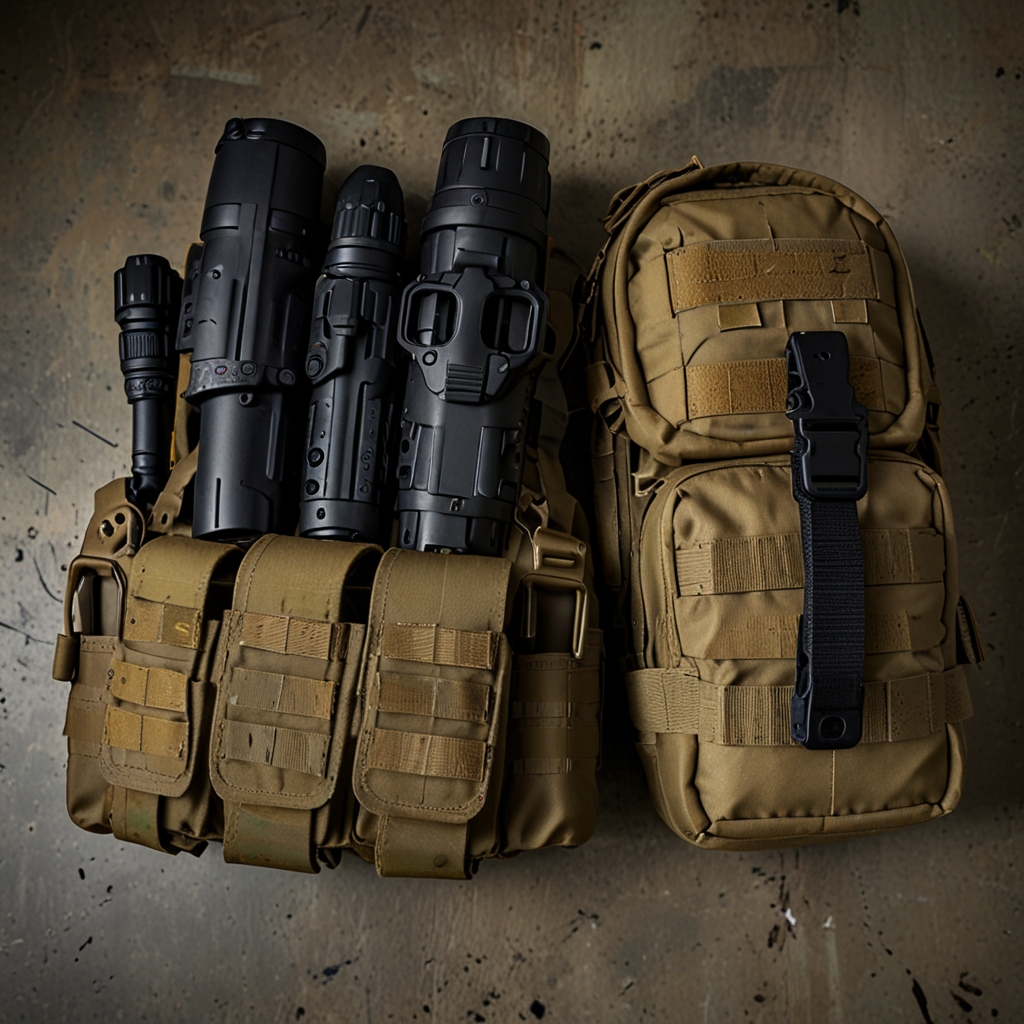
Certification programs validate operator proficiency and knowledge.
Certification programs validate operator proficiency and knowledge by setting rigorous requirements for obtaining a drone operator certification. The requirements for obtaining a drone operator certification include completing a training course, passing a written exam, and demonstrating practical skills in a flight test. Certification programs test operator knowledge and skills through a combination of theoretical exams and practical flight assessments. The benefits of being a certified drone operator include increased employment opportunities, higher pay, and greater credibility in the field. The certification process differs for various types of drones like the Lemur S, with specialized training modules tailored to the unique features and capabilities of each drone model.
Steps to Achieve Drone Operator Certification
Certification requires passing multiple exams to prove proficiency. Typically, candidates must pass at least two exams: a written knowledge test and a practical flight assessment. The minimum passing score for certification exams is usually around 70% to 80%, depending on the certifying body. Most programs require candidates to complete at least 20 to 40 hours of practice flights before taking the certification test. The average cost of a drone operator certification program ranges from $500 to $1,500, depending on the training provider and the complexity of the drone being certified.
Training Programs for Tactical Drones
Training programs for tactical drones offer comprehensive instruction on drone operation and safety. These programs often include both classroom instruction and hands-on flight training. The duration of training programs can vary, with some lasting a few days and others extending over several weeks. Training programs like those offered by MacDev Tactical and Brinc Lemur focus on specific models such as the Lemur S, providing detailed instruction on their unique features and capabilities. The cost of these training programs can range from $1,000 to $3,000, depending on the level of detail and the duration of the course.
Steps to Complete a Tactical Drone Training Program
Completing a tactical drone training program involves several key steps. First, candidates must enroll in a recognized training program, which often requires an application and a fee. Next, participants must attend all scheduled classes and complete any assigned homework or projects. Many programs require a final assessment, which may include both written and practical exams. Finally, successful candidates receive a certificate of completion, which can enhance their credibility and employment prospects in the field of tactical drone operation.