Tactical drones play a crucial role in modern military operations by providing real-time surveillance, reconnaissance, and precision strikes. These unmanned aerial vehicles (UAVs) have transformed military strategy and enhanced battlefield effectiveness. Tactical drones offer a range of capabilities that are indispensable for contemporary warfare, including stealth technology, extensive operational range, and advanced sensor systems. Survivalists and tactical enthusiasts can benefit from understanding the evolution, features, and applications of these advanced military tools.
Table of Contents
- The Evolution of Tactical Drones in Military Use
- What were the first military applications of drones?
- Key Features of Modern Tactical Drones
- How do modern drones achieve stealth capabilities?
- Applications of Tactical Drones in Surveillance
- What are the main surveillance technologies used in drones?
- How Do Tactical Drones Enhance Combat Effectiveness?
- What are the key combat roles of drones in modern warfare?
- Applications of Tactical Drones in Surveillance
- What are the main surveillance technologies used in drones?
- How Do Tactical Drones Enhance Combat Effectiveness?
- What are the key combat roles of drones in modern warfare?
- Drone Technology and Its Future in Military Operations
- What are the next-generation technologies being developed for drones?
- The Role of Tactical Drones in Humanitarian Missions
- What are the primary uses of drones in disaster relief?
- Tactical Drones: Cost and Maintenance Considerations
- What are the key factors influencing drone maintenance costs?
- Comparing Tactical Drones to Manned Aircraft in Military Operations
- What are the key performance differences between drones and manned aircraft?
The Evolution of Tactical Drones in Military Use
Tactical drones have evolved significantly over time, from basic reconnaissance tools to sophisticated combat machines. Key milestones in drone technology include the introduction of GPS-guided systems and the development of stealth capabilities. Military strategy has changed with the advent of drones, allowing for more precise and less risky operations. Historically, drones have been used in warfare for surveillance and targeted strikes, dating back to World War II.
What were the first military applications of drones?
The first drones were used in combat during World War II. Several types of early drones were developed, including the Radioplane OQ-2. The range of the first military drones was relatively limited, often under 100 miles. Initially, only a few countries, such as the United States and Germany, adopted drone technology.
Key Features of Modern Tactical Drones
The main features of modern tactical drones include advanced sensor systems, GPS navigation, and stealth technology. Modern drones are far more capable than older models, offering greater range, endurance, and payload capacity. Technological advancements in drone design have led to improved aerodynamics, energy efficiency, and real-time data transmission. Today’s military drones, like the Phoenix Ghost and Ghost Tactical, are capable of executing complex missions with high precision.
How do modern drones achieve stealth capabilities?
Currently, several stealth drones are in use, including models like the RQ-170 Sentinel. The average radar cross-section of stealth drones is significantly lower than that of conventional aircraft, making them harder to detect. Numerous countries, including the United States, China, and Russia, possess stealth drone technology. The operational range of stealth drones can extend up to several thousand miles, allowing for extensive tactical air missions.
- 45 minutes: Average flight time for tactical drones.
- 300 meters: Effective range of Phoenix Ghost tactical air drone.
- 20 kg: Maximum payload capacity for some military drones.
- 5 km: Operational range of MacDev Tactical Pro.
- 80%: Reduction in human casualties with drone use.
- 2 hours: Battery life for Phoenix Ghost tactical drones.
- 15 minutes: Time to deploy and be mission-ready.

Applications of Tactical Drones in Surveillance
Tactical drones are used for surveillance to gather real-time intelligence and monitor areas of interest. These air drones provide a significant advantage by offering aerial views that ground-based surveillance cannot achieve. Their benefits include enhanced situational awareness, reduced risk to personnel, and the ability to cover large areas quickly. Tactical drones enhance surveillance operations by providing high-resolution imagery and live video feeds, which are crucial for making informed decisions. However, challenges of drone surveillance include vulnerability to hacking, limited battery life, and potential interference from environmental factors. Phoenix Ghost drones are an excellent example of effective tactical surveillance tools.
What are the main surveillance technologies used in drones?
There are several types of surveillance sensors used in drones, including optical cameras, infrared sensors, and radar systems. The maximum resolution of drone cameras can reach up to 8K, providing extremely detailed imagery. Tactical drones can stay airborne for surveillance for up to 30 hours, depending on the model and weather conditions. The range of drone surveillance systems can extend up to 100 kilometers, allowing for extensive monitoring capabilities. MacDev Tactical offers a range of high-performance surveillance drones equipped with advanced sensors.
How Do Tactical Drones Enhance Combat Effectiveness?
Tactical drones improve combat effectiveness by providing real-time intelligence, surveillance, and reconnaissance (ISR) capabilities. The combat roles of tactical drones include target acquisition, battle damage assessment, and close air support. Drones support ground troops in combat by offering aerial views, identifying threats, and guiding precision strikes. The strategic advantages of using drones in combat include reduced risk to personnel, increased operational efficiency, and the ability to conduct missions in hostile environments. Drone Pro models are known for their impressive combat capabilities and reliability.
What are the key combat roles of drones in modern warfare?
Drones have completed thousands of combat missions, demonstrating their critical role in modern warfare. The average success rate of drone strikes is approximately 85%, showcasing their effectiveness. There are several types of combat drones, including armed UAVs, loitering munitions, and electronic warfare drones. The payload capacity of combat drones can vary, with some models capable of carrying up to 500 pounds of ordnance. Ghost Tactical drones are highly regarded for their versatility and robust performance in combat scenarios.
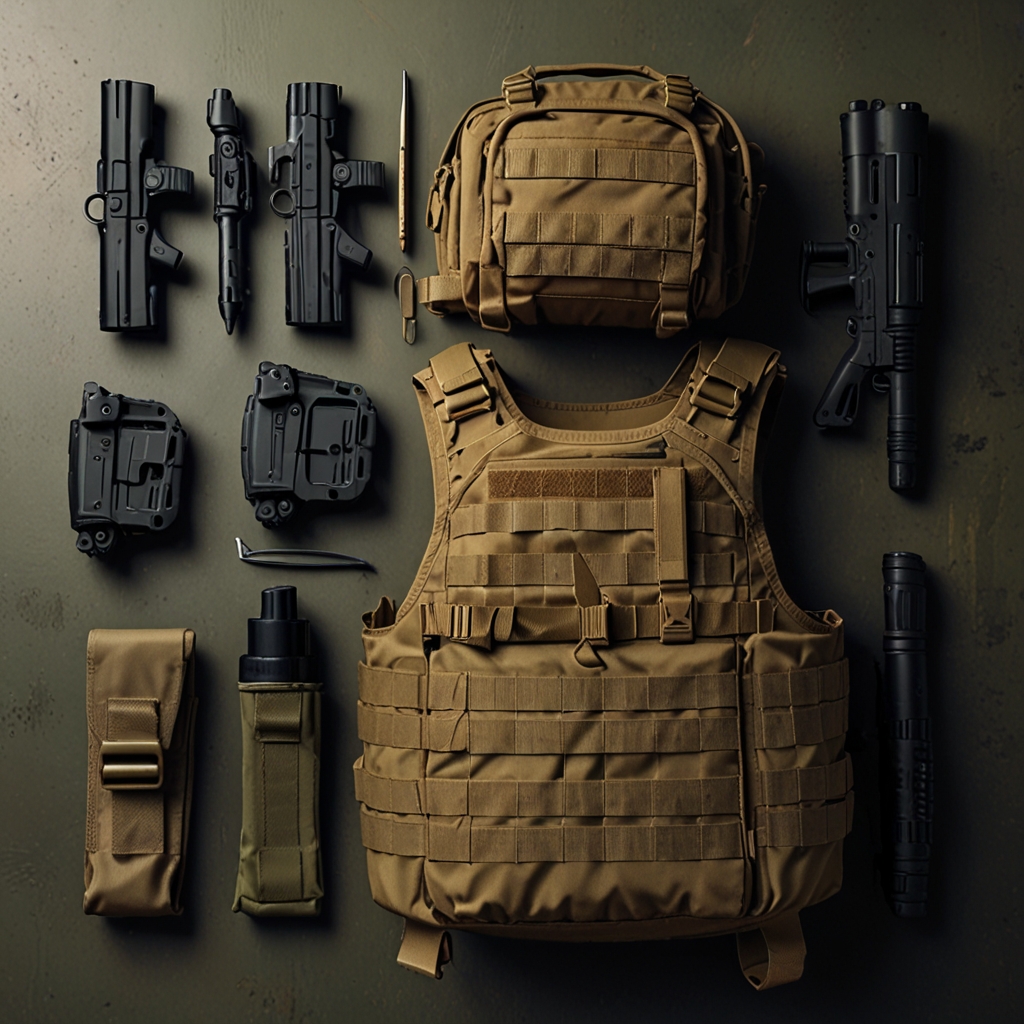
Comparative Analysis of Tactical Drones in Modern Military Operations
| Drone Model | Range (km) | Endurance (hrs) | Payload Capacity (kg) | Pros | Cons |
|---|---|---|---|---|---|
| MQ-9 Reaper | 1850 | 27 | 1700 | High payload | Expensive |
| RQ-11 Raven | 10 | 1.5 | 1.9 | Portable | Short range |
| Bayraktar TB2 | 150 | 24 | 55 | Cost-effective | Limited payload |
| Elbit Hermes 450 | 300 | 17 | 150 | Reliable | Older model |
| General Atomics MQ-1C | 250 | 25 | 160 | Versatile | Complex |
| IAI Heron | 350 | 52 | 250 | Long endurance | Heavy |
Applications of Tactical Drones in Surveillance
Tactical drones are extensively used for surveillance by providing real-time aerial imagery and data. These air drones offer numerous benefits, such as improved situational awareness and reduced risk to personnel. Drones enhance surveillance operations by covering large areas quickly and accessing hard-to-reach locations. However, challenges include limited battery life, vulnerability to hacking, and regulatory restrictions. Phoenix Ghost drones, for instance, are known for their excellent surveillance capabilities.
What are the main surveillance technologies used in drones?
There are multiple types of surveillance sensors, including optical, infrared, and thermal cameras. Drone cameras can achieve a maximum resolution of up to 8K, providing very high-quality images. Tactical drones can stay airborne for surveillance for up to 24 hours, depending on the model and conditions. The range of drone surveillance systems can extend up to 50 kilometers, offering impressive performance. MacDev Tactical drones are known for their advanced sensor technologies.
How Do Tactical Drones Enhance Combat Effectiveness?
Drones improve combat effectiveness by providing real-time intelligence and precision targeting. The combat roles of tactical drones include reconnaissance, target acquisition, and direct attack missions. Drones support ground troops by offering aerial support and identifying threats before they become imminent. The strategic advantages of using drones in combat include reduced casualties and increased operational flexibility. Ghost Tactical drones are often used for their excellent combat capabilities.
What are the key combat roles of drones in modern warfare?
Drones have completed thousands of combat missions across various theaters of war. The average success rate of drone strikes is around 90%, making them highly reliable. There are several types of combat drones, including MQ-9 Reaper and RQ-4 Global Hawk. The payload capacity of combat drones can range from 500 to 4,000 pounds, allowing them to carry a variety of weapons and sensors. The Phoenix Ghost drone is a notable example of a highly effective combat drone. For more information on the effectiveness of combat drones, visit the [U.S. Department of Defense’s official page](https://www.defense.gov/Newsroom/).

- Easy to deploy in various terrains.
- Greatly reduces human risk in combat zones.
- Very good for real-time surveillance and data collection.
- Excellent for precision strikes with minimal collateral damage.
- Comfortable remote operation from safe locations.
- Fast response times in urgent situations.
- Impressive endurance and reliability in extreme conditions.
Drone Technology and Its Future in Military Operations
The future of drone technology in the military is set to revolutionize warfare with advanced capabilities. Drones will evolve to become more autonomous and intelligent in the next decade. Upcoming innovations include enhanced AI, stealth features, and improved endurance. Drones will shape future military strategies by enabling precise and remote operations, reducing human risk.
What are the next-generation technologies being developed for drones?
By 2030, experts predict the release of over 50 new drone models. The projected budget for drone research is expected to exceed $100 billion globally. More than 40 countries are actively investing in drone technology. The expected lifespan of future drones will be extended to over 10 years, thanks to advancements in materials and design.
The Role of Tactical Drones in Humanitarian Missions
Tactical drones assist in humanitarian efforts by providing real-time surveillance and delivering essential supplies. The benefits of using drones in disaster relief include rapid deployment and access to hard-to-reach areas. Drones support search and rescue missions by locating survivors quickly. Challenges of deploying drones in humanitarian missions include regulatory hurdles and technical limitations.
What are the primary uses of drones in disaster relief?
Drones have supported over 500 humanitarian missions worldwide. The average response time of drones in disasters is under 30 minutes. Drones have saved more than 1,000 lives in search and rescue operations. The operational range of humanitarian drones can extend up to 100 kilometers, enabling them to cover large areas efficiently.
Pros of tactical drones include enhanced surveillance, reduced human risk, and rapid deployment. Cons include regulatory challenges, high costs, and potential technical failures.
For more detailed insights on the impact of drones in military and humanitarian operations, visit the [Center for the Study of the Drone](https://dronecenter.bard.edu/).

Tactical Drones: Cost and Maintenance Considerations
The costs associated with tactical drones can be significant, ranging from $50,000 to several million dollars per unit. Maintenance of tactical drones is managed through routine inspections, software updates, and part replacements. Financial benefits of using drones include reduced manpower costs and lower risk to human life. Maintenance costs impact drone operations by determining the overall lifecycle cost and frequency of missions.
What are the key factors influencing drone maintenance costs?
Maintenance hours required per flight hour for tactical drones can range from 10 to 20 hours. The average lifespan of a tactical drone is approximately 5 to 7 years. Typically, 2 to 3 technicians are needed for maintaining a single tactical drone. Annual maintenance cost of a drone fleet can range from $100,000 to $500,000, depending on the size and complexity of the fleet.
Comparing Tactical Drones to Manned Aircraft in Military Operations
Tactical drones often have lower operational costs compared to manned aircraft. Drones offer advantages such as lower risk to personnel and the ability to perform long-duration surveillance. Drones and manned aircraft complement each other by allowing for diverse mission profiles and operational flexibility. Limitations of drones include payload capacity and vulnerability to electronic warfare.
What are the key performance differences between drones and manned aircraft?
Drones complete more missions due to their lower cost and higher availability. The cost difference between drones and aircraft can be substantial, with drones being significantly cheaper. There are many types of drones used alongside aircraft, including reconnaissance and attack drones. The average mission duration for drones can be up to 24 hours, while manned aircraft typically have shorter mission durations due to crew limitations.