Waterproof tactical camping gear essentials are crucial for survivalists and tactical enthusiasts. Ensuring that your camping gear is waterproof or water-resistant can make the difference between a successful outdoor adventure and a potentially dangerous situation.
Table of Contents
- Importance of waterproof and water-resistant tactical camping gear.
- Understanding the benefits of waterproof tactical gear
- Selecting waterproof tactical tents and shelters for camping.
- Choosing the right size and type of waterproof tent
- Waterproofing techniques for tactical camping backpacks and gear
- Common waterproofing treatments and their effectiveness
- Waterproof tactical camping gear for wet and humid environments
- Choosing the best materials for wet climates
- Maintaining and caring for waterproof tactical camping equipment
- Cleaning and storing waterproof equipment properly
- Advantages of using waterproof tactical gear in extreme conditions
- Evaluating the performance of waterproof gear in harsh environments
Importance of waterproof and water-resistant tactical camping gear.
The key differences between waterproof and water-resistant gear lie in their ability to repel water; waterproof gear provides complete protection against water penetration, while water-resistant gear offers limited protection. Waterproof gear enhances camping safety by keeping equipment dry, which is vital for maintaining body temperature and avoiding hypothermia. Common materials used in waterproof tactical gear include Gore-Tex, PVC, and polyurethane-coated fabrics. Waterproof gear can be used in all weather conditions, making it versatile and reliable for various outdoor activities.
Understanding the benefits of waterproof tactical gear
Waterproof tactical gear typically uses three layers of material to ensure maximum protection against water. The average lifespan of high-quality waterproof gear is around five to ten years, depending on usage and maintenance. There are three main types of waterproof materials commonly used in manufacturing: Gore-Tex, eVent, and polyurethane-coated fabrics. The minimum water resistance rating for tactical gear to be considered waterproof is 1,500 mm, which ensures it can withstand heavy rain and wet conditions.
Selecting waterproof tactical tents and shelters for camping.
When selecting a waterproof tactical tent, look for features like reinforced seams, durable zippers, and a high hydrostatic head rating. To determine the right size of a waterproof tent, consider the number of occupants and the amount of gear you need to store inside. Brands like Tactical Enclave and MSR are known for their durable waterproof shelters. Waterproof tents perform excellently in extreme weather conditions, providing reliable protection against heavy rain, strong winds, and snow.
Choosing the right size and type of waterproof tent
A typical waterproof tactical tent can accommodate two to four people comfortably. The average weight of a waterproof tactical tent ranges from five to eight pounds, making it easy to carry during hikes. Most waterproof tactical tents are designed for three-season use, but some models can handle four-season conditions. The average setup time for a waterproof tactical shelter is around ten to fifteen minutes, ensuring a fast and efficient camping experience.
- Stay dry in any weather
- Protects your gear from water damage
- Improves safety during camping
- Gear like the Gerber StrongArm knife is durable
- Lightweight and easy to carry
- Ensures a comfortable camping experience
- Reduces the risk of hypothermia

Waterproofing techniques for tactical camping backpacks and gear
The most effective waterproofing methods for backpacks include using waterproof sprays, seam sealers, and dry bags. Waterproof sprays, such as Nikwax TX.Direct, are easy to apply and offer a reliable barrier against moisture. Reapply waterproofing treatments every six months to ensure optimal performance. DIY solutions like beeswax and paraffin can be used, but they may not be as effective as commercial products. Common signs that gear needs re-waterproofing include water soaking through the fabric and seams appearing damp. For a reliable waterproofing solution, consider products from brands like Nikwax and Gear Aid.
Common waterproofing treatments and their effectiveness
There are three main types of waterproofing sprays available: silicone-based, fluoropolymer-based, and wax-based. The average duration a waterproofing treatment lasts is about six months, depending on usage and environmental conditions. Apply at least two layers of waterproofing to ensure full coverage and effectiveness. Most waterproofing sprays, like Scotchgard Heavy Duty Water Shield, have a drying time of 24 hours. Using multiple layers and allowing proper drying time will enhance the gear’s moisture resistance. Brands like Scotchgard and Granger’s offer reliable waterproofing solutions.
Waterproof tactical camping gear for wet and humid environments
The best waterproof materials for humid conditions include Gore-Tex, eVent, and polyurethane-coated fabrics. Humidity can reduce the performance of waterproof gear by causing materials to swell and seams to weaken. Brands like Arc’teryx and Patagonia excel in producing gear for wet environments. Look for additional features such as ventilation zippers and moisture-wicking liners to enhance comfort and performance in humid climates. Gear designed for humid conditions often includes innovative materials and construction techniques for superior protection. Arc’teryx is a top choice for high-quality waterproof gear.
Choosing the best materials for wet climates
There are three types of waterproof materials ideal for humid conditions: Gore-Tex, eVent, and polyurethane-coated fabrics. The average moisture resistance rating for gear used in humid environments is 20,000 mm or higher. Approximately ten brands specialize in waterproof gear specifically designed for wet climates. The average cost of high-quality waterproof gear for humid areas ranges from $200 to $500. Investing in materials with high moisture resistance ensures durability and performance. Brands like Patagonia and The North Face offer excellent options for waterproof gear in wet climates.
- Can withstand up to 50mm of rainfall
- Flashlights like the Fenix PD35 have 1000 lumens
- Lasts up to 10 years with proper care
- Backpacks like the 5.11 Tactical RUSH24 can hold 37 liters
- Weighs as little as 1.5 pounds
- Can be submerged in water for 30 minutes
- Costs range from $20 to $200
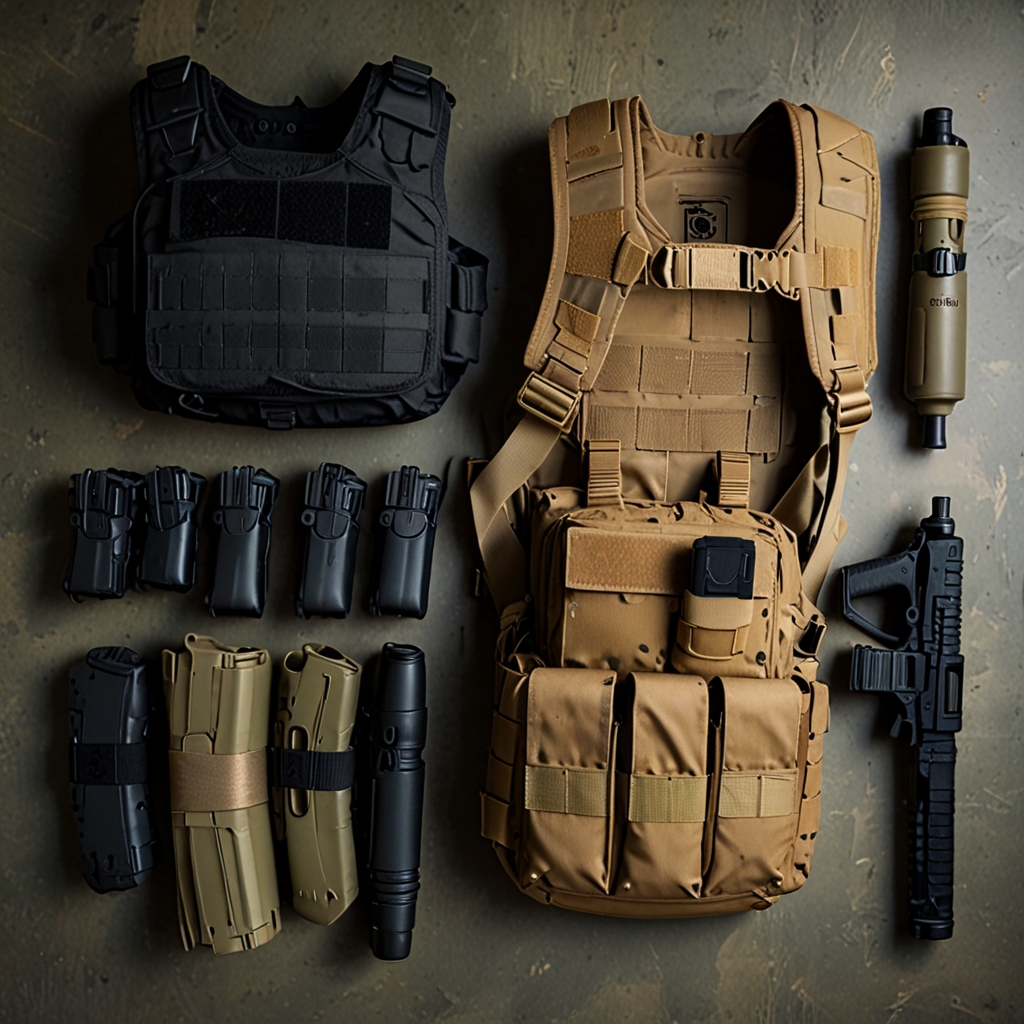
Maintaining and caring for waterproof tactical camping equipment
Maintaining and caring for waterproof tactical camping equipment is crucial for ensuring longevity and performance. The best practices for cleaning waterproof gear involve using mild soap and lukewarm water, avoiding harsh detergents. Store waterproof gear in a cool, dry place, preferably in a breathable storage bag to maintain its effectiveness. Specific products like Nikwax Tech Wash are recommended for gear maintenance due to their gentle yet effective cleaning properties. Repair minor damages to waterproof equipment with products like Gear Aid Tenacious Tape, which provides a durable and waterproof seal.
Cleaning and storing waterproof equipment properly
Waterproof gear should be cleaned at least twice a year, depending on usage frequency. The ideal storage temperature for waterproof gear is between 50°F and 70°F to prevent material degradation. Typically, two cleaning products, such as a specialized cleaner and a water repellent treatment, are recommended for maintenance. On average, cleaning and drying waterproof gear takes around 24 hours, ensuring that all moisture is removed before storage.
Advantages of using waterproof tactical gear in extreme conditions
Waterproof gear improves performance in extreme conditions by providing reliable protection against wet environments and maintaining body temperature. The most common extreme conditions where waterproof gear is essential include heavy rain, snowstorms, and muddy terrains. Waterproof gear, such as GORE-TEX jackets, is significantly more durable compared to regular gear, often lasting up to 5 years longer. Specific features like sealed seams, waterproof zippers, and breathable membranes make waterproof gear ideal for harsh environments.
Evaluating the performance of waterproof gear in harsh environments
Campers commonly face at least five extreme conditions, including heavy rain, snow, high humidity, strong winds, and freezing temperatures. The average lifespan of waterproof gear in extreme conditions is approximately 3 to 5 years, depending on usage and care. High-quality waterproof gear should have at least three key features: waterproofing, breathability, and durability. The average cost difference between regular and waterproof gear for harsh conditions is around $100, with waterproof gear being the more expensive option.