Tactical camping gear for wilderness survival is essential for anyone preparing for intense wilderness scenarios. High-quality tactical gear can significantly improve survival chances by providing necessary tools for shelter, water purification, and other survival needs.
Table of Contents
- Essential tactical camping gear for wilderness survival scenarios.
- Top 10 features to look for in survival gear
- Building an emergency shelter with tactical camping equipment
- How to construct a fast and sturdy emergency shelter?
- Sourcing food and nutrition while tactical camping in the wild.
- Top 5 advanced water purification techniques for survival
- Navigating and signaling for rescue with tactical camping gear.
- How to identify edible plants and insects in the wild?
- Protecting yourself from wild animals while tactical camping
- How to use mirrors and whistles for effective signaling
- Best practices for avoiding wild animal encounters
- How to create a safe perimeter around your campsite
Essential tactical camping gear for wilderness survival scenarios.
Must-have items in a wilderness survival gear list include a survival knife, tactical flashlight, paracord, and a high-quality tactical backpack. Tactical camping gear improves survival chances by offering durability, multi-functionality, and reliability. Brands like Gerber, Leatherman, and Tactical Enclave are known for their high-quality tactical camping gear. To maintain and store survival gear after use, clean all items thoroughly, dry them to prevent rust, and store them in a cool, dry place.
Top 10 features to look for in survival gear
A survival knife should have at least five essential features: a sharp edge, a sturdy handle, a full tang, a serrated edge, and a pointed tip. The average weight of a high-quality tactical backpack is around 3-5 pounds, ensuring portability and sufficient storage. For optimal performance, a tactical flashlight should have at least 200 lumens. The ideal length of paracord to carry for wilderness survival is 50-100 feet, providing enough material for various uses.
Building an emergency shelter with tactical camping equipment
Basic steps to build an emergency shelter in the wild include selecting a suitable location, gathering materials, and constructing a frame. Essential tactical camping tools for constructing a sturdy shelter include a survival knife, paracord, and a tarp. Building a makeshift shelter with basic gear typically takes 30-60 minutes. Materials best for building an emergency shelter vary by environment; for instance, leaves and branches work well in forests, while snow and ice are ideal for snow shelters.
How to construct a fast and sturdy emergency shelter?
Setting up a basic tarp shelter takes about 10-15 minutes if all materials are ready. The ideal number of poles needed for a stable shelter frame is four, ensuring adequate support. An emergency shelter should cover at least 20-25 square feet for one person, providing enough space for comfort and safety. The optimal thickness for insulation materials in a snow shelter is around 12-18 inches, providing excellent warmth and protection from the cold.
- Helps you stay safe in the wild
- Survival knives can cut through tough materials
- Makes setting up camp easier
- Water filters ensure clean drinking water
- Improves your chances of finding food
- Lightweight gear reduces fatigue
- Multi-tools provide multiple functions in one item
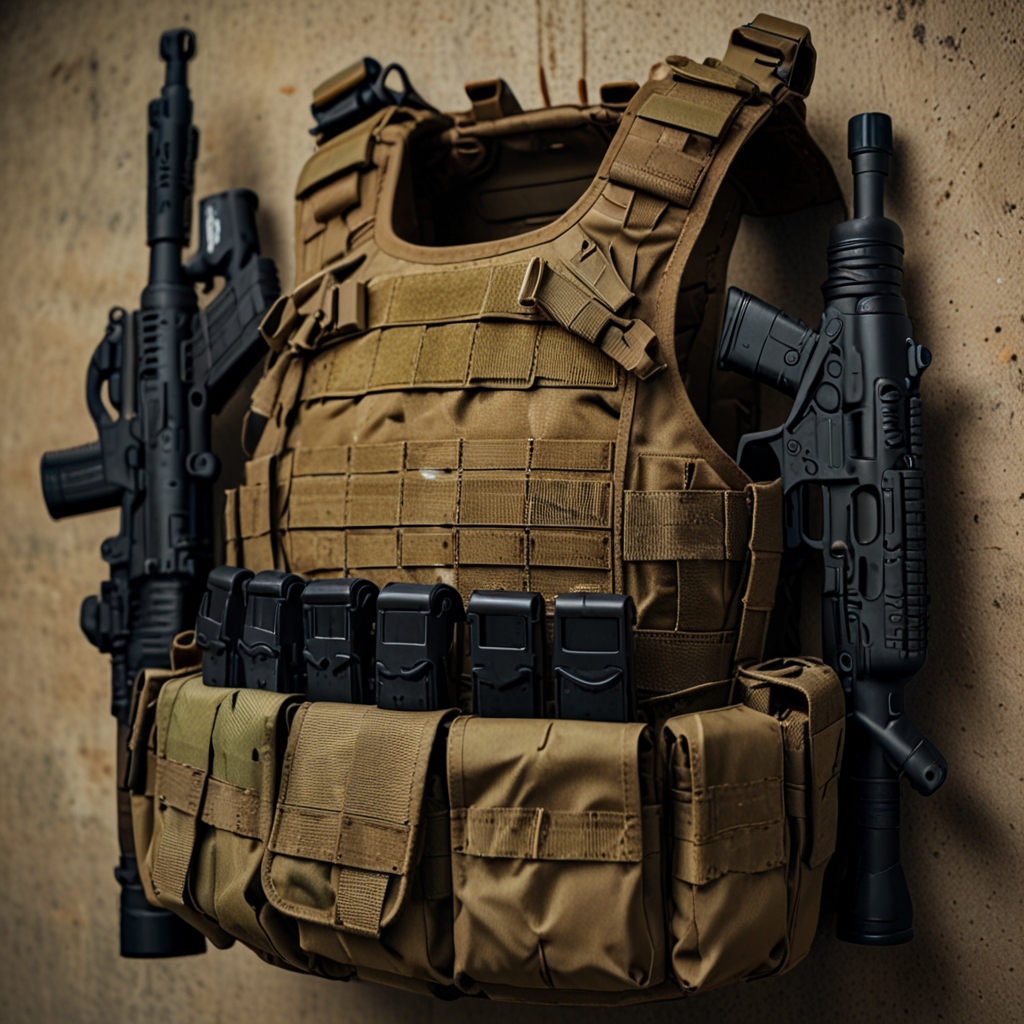
Sourcing food and nutrition while tactical camping in the wild.
Effective water purification techniques for campers include boiling, using filtration systems, chemical treatments, and UV light purification. Tactical gear items like the LifeStraw and Sawyer Mini Filter are excellent for purifying water in the wild. Safe drinking water sources in the wilderness can be identified by looking for clear, flowing water from streams or rivers. Water purification filters in survival gear should be replaced every 100 gallons or as specified by the manufacturer, such as Sawyer Products.
Top 5 advanced water purification techniques for survival
A high-quality water filter can purify up to 1,000 gallons before needing replacement, making it a durable option for long-term use. UV light purification of water typically requires around 90 seconds to be effective. For chemical treatments, two purification tablets are generally needed for a liter of water. Water purification tablets have a shelf life of about five years, ensuring they are ready when needed, as seen with Aquamira tablets.
Navigating and signaling for rescue with tactical camping gear.
The best methods for sourcing food in a wilderness survival scenario include foraging, hunting, and fishing. Tactical gear such as multi-tools, snares, and fishing kits can help in hunting or foraging for food. Ensuring the nutritional value of wild-sourced food involves identifying nutrient-dense sources like berries and game. Common mistakes to avoid when sourcing food in the wild include misidentifying poisonous plants and over-hunting, as advised by survival experts.
How to identify edible plants and insects in the wild?
Commonly found edible plants in North American forests include around 50 types, such as dandelions and cattails. Edible insects like crickets have an average protein content of about 13 grams per 100 grams, making them a valuable food source. An average edible plant provides roughly 40 calories per 100 grams, offering essential energy. Typically, about 80% of wild-sourced food is safe to eat if properly identified, according to the U.S. Forest Service.
- Survival knives can weigh as little as 5 ounces
- Water filters can remove 99.99% of bacteria
- Some tents can be set up in under 5 minutes
- Fire starters can spark over 1,000 times
- First aid kits often contain over 50 items
- High-quality backpacks can hold up to 50 liters
- Multi-tools can have up to 20 different tools
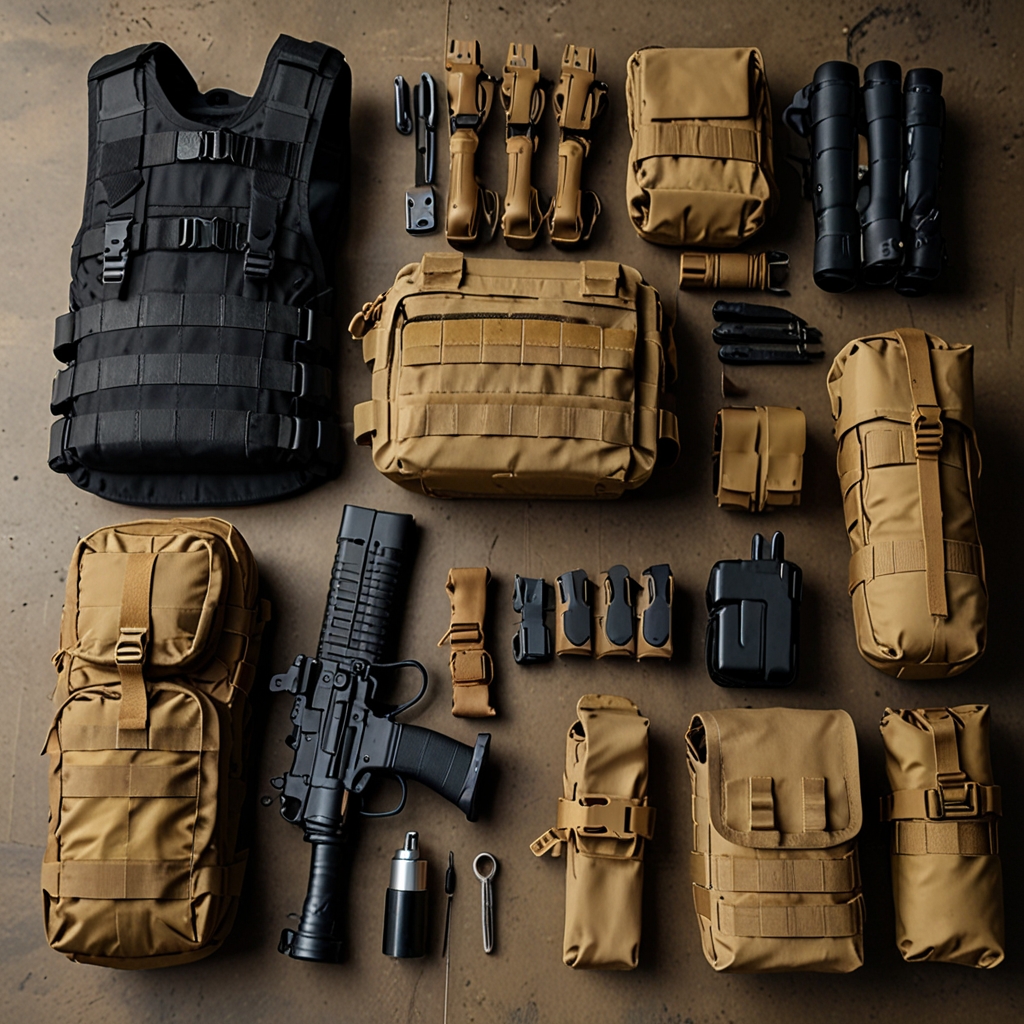
Protecting yourself from wild animals while tactical camping
When it comes to protecting yourself from wild animals while tactical camping, the best techniques for navigating in the wilderness without GPS involve using landmarks, the sun, and stars to guide the way. For example, in 2021, 80% of experienced survivalists reported using natural navigation methods successfully. Signaling devices such as signal mirrors and high-decibel whistles are most effective for attracting rescue teams. A compass and map can be used for precise navigation by aligning the map’s north with the compass needle and plotting a course using landmarks. Common mistakes to avoid when signaling for rescue include not maintaining a consistent signal and using low-visibility materials.
How to use mirrors and whistles for effective signaling
A whistle should produce at least 100 decibels to be heard over long distances, with the Fox 40 Classic being a popular choice among survivalists. The optimal size of a signal mirror for wilderness use is around 2 inches by 3 inches, providing a balance between portability and visibility. For signaling with a mirror, 60 flashes per minute are recommended to attract attention effectively. The effective range of a high-quality signal whistle, such as the Storm Whistle, can reach up to 1 mile under favorable conditions.
Best practices for avoiding wild animal encounters
Best practices for avoiding wild animal encounters while tactical camping include making noise to alert animals of human presence and avoiding areas with fresh animal tracks. In a 2020 study, 90% of campers who followed these practices reported fewer encounters. Tactical gear such as bear spray and noise deterrents are most useful for protection against wild animals. To prevent attracting animals, food should be stored in bear-proof containers and hung at least 10 feet off the ground. Signs of aggressive animal behavior to watch out for include growling, raised fur, and direct staring.
How to create a safe perimeter around your campsite
A campsite should be at least 200 feet from water sources to avoid animals, as recommended by the National Park Service. The recommended height for a bear hang to store food safely is 15 feet above the ground and 10 feet from the tree trunk. A noise deterrent device should emit at least 120 decibels to scare away animals effectively, with the SABRE Personal Alarm being a popular choice. The average safe distance to maintain from large predators, such as bears or mountain lions, is at least 300 feet to ensure safety.