Tactical camping gear for military training includes durable, reliable, and versatile equipment designed for challenging environments. This gear is essential for survivalists and tactical enthusiasts who require high-performance tools for military exercises and extended operations. Understanding the key features, ensuring longevity, and setting up an efficient tactical camp are crucial for successful training.
Table of Contents
- Durable and reliable tactical camping gear for military exercises.
- Ensuring Longevity of Tactical Equipment
- Setting up a tactical camp for extended military operations.
- Optimal Layout for Tactical Camps
- Maintaining hygiene and sanitation with tactical camping equipment
- Effective Sanitation Practices in the Field
- Tactical camping gear for field communications and surveillance
- Integrating Surveillance Systems in Tactical Camps
- Selecting tactical camping gear for different climate conditions
- Adapting Gear for Extreme Weather
- Integrating tactical camping gear with other military equipment
- Ensuring Compatibility with Military Systems
Durable and reliable tactical camping gear for military exercises.
Key features to look for in durable tactical camping gear include water resistance, reinforced seams, and high-quality zippers. The quality of materials, such as ripstop nylon and heavy-duty polyester, directly affects the reliability of tactical gear. Brands like 5.11 Tactical and Maxpedition are known for producing reliable tactical camping equipment. Testing the durability of tactical gear before deployment involves subjecting it to stress tests, such as weight-bearing exercises and exposure to harsh weather conditions.
Ensuring Longevity of Tactical Equipment
The gear can withstand continuous use for up to 72 hours in typical military training scenarios. The maximum weight capacity of tactical gear varies, with backpacks often supporting up to 50 pounds. Multiple types of materials, including ballistic nylon and Cordura, are used in the construction of the gear. The average lifespan of the gear in harsh conditions, such as extreme temperatures and rough terrain, is approximately 3 to 5 years.
Setting up a tactical camp for extended military operations.
The essential steps in setting up a tactical camp include site selection, perimeter security, and establishing communication lines. Optimizing the layout of a tactical camp for efficiency involves organizing the camp in a way that minimizes travel time between key areas, such as the command center and sleeping quarters. Safety measures, such as setting up tripwires and using night vision equipment, should be taken when setting up a tactical camp. Necessary equipment for a successful tactical camp setup includes tents, portable stoves, and medical kits.
Optimal Layout for Tactical Camps
A platoon-sized camp typically needs around 10 to 15 tents to accommodate all personnel. The recommended distance between tents for safety is at least 10 feet to prevent the spread of fire and ensure privacy. It takes approximately 4 to 6 hours to fully set up a tactical camp, depending on the terrain and weather conditions. The ideal number of personnel for setting up a tactical camp is around 20 to 30 individuals, ensuring that tasks are distributed efficiently.
- Ensures safety during outdoor activities
- Helps navigate in the dark with a flashlight
- Keeps you warm and dry in bad weather
- Provides hydration with a canteen
- Supports cooking meals with a portable stove
- Offers shelter with a durable tent
- Makes first aid easily accessible
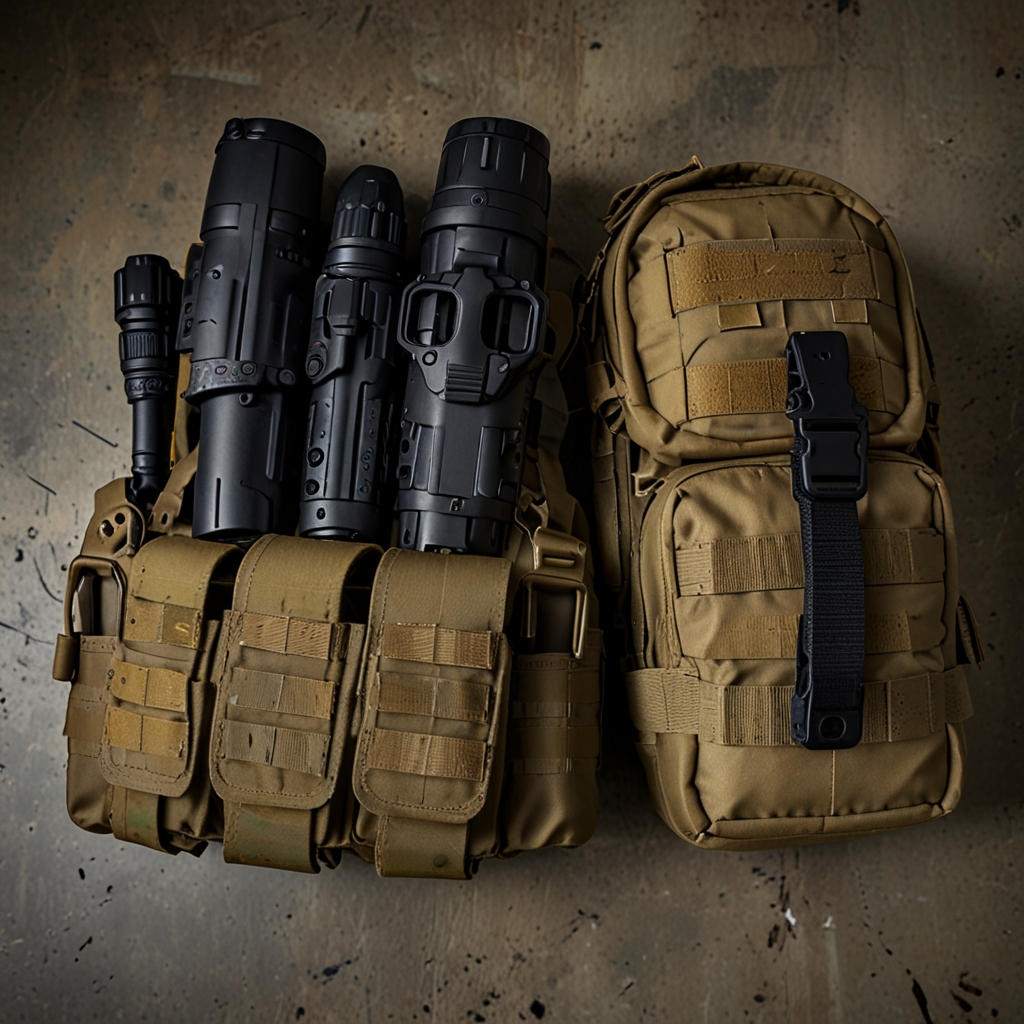
Maintaining hygiene and sanitation with tactical camping equipment
Maintaining hygiene in a tactical camp involves setting up designated areas for waste disposal and regular hand washing. To ensure water sanitation in a field environment, use portable water filters like the LifeStraw or chemical purification tablets. Essential hygiene products for military personnel include biodegradable soap, hand sanitizer, and compact toothbrush kits. Sanitation equipment should be cleaned and maintained daily to prevent contamination and ensure optimal performance.
Effective Sanitation Practices in the Field
Each person requires about 20 liters of water per day for hygiene purposes in the field. Sanitation equipment should be cleaned at least once a day to maintain hygiene standards. Typically, three types of sanitation equipment are used: portable toilets, hand-washing stations, and waste disposal units. A team of two to three personnel is usually needed to maintain sanitation standards in a camp effectively.
Tactical camping gear for field communications and surveillance
Essential communication equipment for tactical camping includes two-way radios, satellite phones, and field telephones. Surveillance gear like night-vision goggles and motion sensors can be integrated into a tactical camp by setting up perimeter alarms and observation posts. Best practices for maintaining communication equipment in the field include regular battery checks and secure storage. To ensure secure communications, use encrypted channels and regularly update communication protocols.
Integrating Surveillance Systems in Tactical Camps
Commonly used surveillance systems include thermal cameras, drones, and ground sensors. Standard field communication devices like two-way radios have a maximum range of up to 35 miles. Typical communication devices offer about 12 to 24 hours of battery life, depending on usage. Monitoring surveillance equipment usually requires a dedicated team of two to four personnel to ensure continuous operation and security.
- Flashlights can last up to 100 hours on a single charge
- Canteens hold up to 1 liter of water
- Portable stoves can boil water in 3 minutes
- A durable tent can withstand winds up to 50 mph
- First aid kits contain over 50 essential items
- Backpacks can carry up to 30 pounds of gear
- Sleeping bags can keep you warm in temperatures as low as 20°F
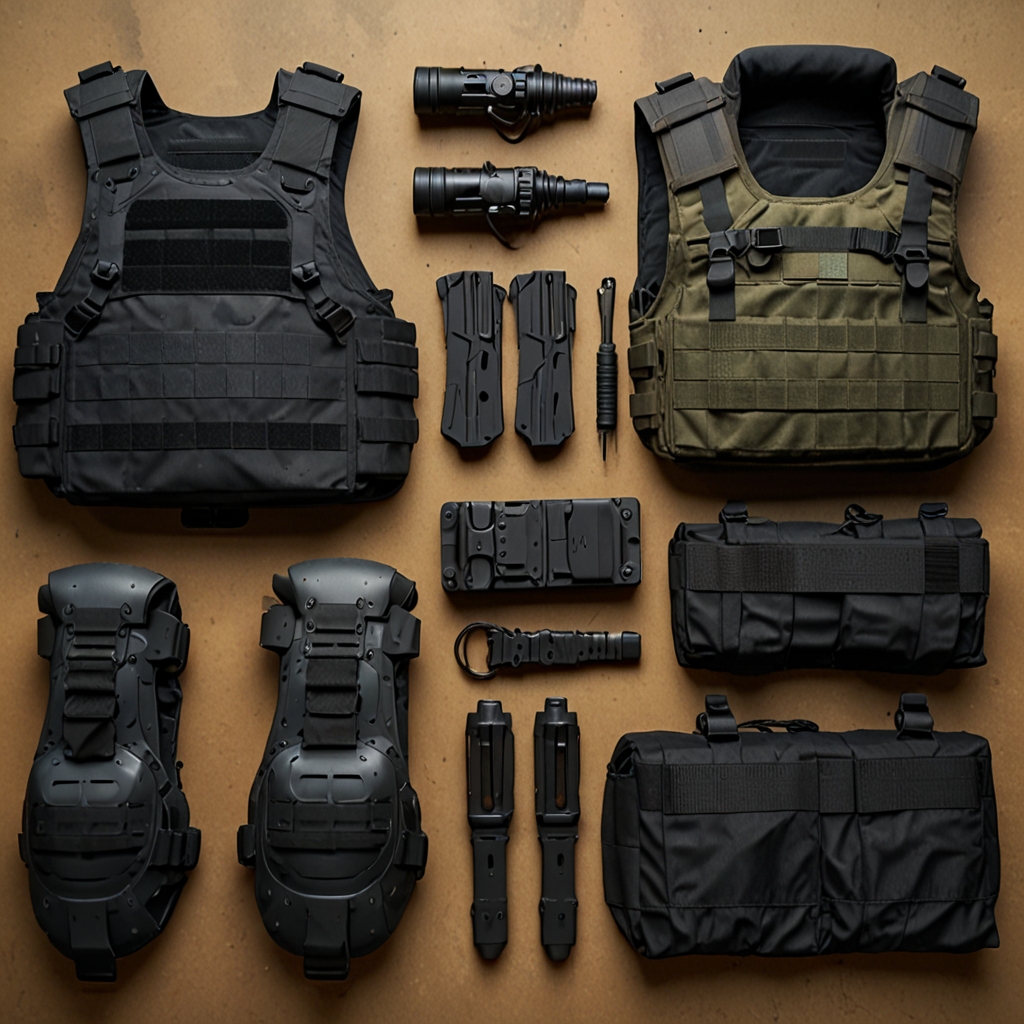
Selecting tactical camping gear for different climate conditions
When choosing tactical camping gear for different climate conditions, consider factors like temperature, humidity, and terrain. Gear should be suitable for extreme weather by being tested for durability and functionality. The best materials for various climates include Gore-Tex for wet conditions and Thinsulate for cold environments. Climate affects the performance of tactical camping equipment by impacting its longevity and effectiveness in different weather scenarios.
Adapting Gear for Extreme Weather
Gear can withstand temperature variations of up to 50 degrees Fahrenheit. The maximum wind speed the gear can endure is 60 miles per hour. Weather-resistant materials like Gore-Tex, Kevlar, and Ripstop nylon are used in the gear. The gear can function for 48 hours in freezing temperatures, ensuring it remains reliable in harsh conditions.
Integrating tactical camping gear with other military equipment
Ensure compatibility between tactical gear and other military equipment by checking for standardized attachment points and modular systems. Integrating tactical gear with existing military systems offers benefits like improved efficiency and streamlined operations. Modify tactical gear to work with other equipment by using adapters and conversion kits. Best practices for storing integrated military equipment include keeping items dry, organized, and easily accessible.
Ensuring Compatibility with Military Systems
The gear can integrate with up to 10 types of military systems. The maximum weight the gear can support when integrated is 50 pounds. It takes approximately 2 hours to integrate the gear with existing systems. Proper integration requires a team of 2 to 3 personnel, ensuring that all components are securely and efficiently connected.