Tactical camping gear for covert operations involves specialized equipment designed to remain undetected while offering maximum functionality. This gear is essential for survivalists and tactical enthusiasts who need to stay hidden during missions. The right equipment can make the difference between success and failure in covert operations.
Table of Contents
- Selecting stealthy and low-profile camping gear for covert missions
- Top materials that enhance stealth in camping gear
- Techniques for concealing your tactical camp from aerial surveillance
- How to use natural elements for camp concealment
- Evaluating the noise signature of various tactical camping items
- How to test the noise levels of camping gear
- Maintaining operational security while using tactical camping equipment
- Best practices for secure communication while camping
- Choosing the right tactical camping gear for night operations
- What are the latest trends in night operation gear?
- Importance of camouflage patterns for tactical camping in different environments
- How to choose the right pattern for desert camping
Selecting stealthy and low-profile camping gear for covert missions
The best brands for low-profile camping gear include Tactical Enclave, which offers high-quality, low-visibility options. To ensure camping gear remains undetected, choose items with muted colors and non-reflective surfaces. Features to look for in stealthy camping gear include noise reduction, lightweight materials, and compact designs. Specific materials like ripstop nylon and carbon fiber enhance stealth by reducing noise and visibility.
Top materials that enhance stealth in camping gear
Common materials used for stealth camping gear include ripstop nylon, carbon fiber, and Gore-Tex. The average weight of a stealthy camping tent is around 3 to 5 pounds, ensuring ease of transport. A low-noise camping stove should produce less than 20 decibels to avoid detection. High-quality stealth camping gear typically costs between $200 and $500, depending on the brand and features.
Techniques for concealing your tactical camp from aerial surveillance
Effective methods to blend a camp with its surroundings include using camouflage nets and natural terrain. Natural elements like trees and bushes can be used to conceal a camp from drones. Technologies such as thermal blankets and noise-canceling fabrics assist in hiding from aerial surveillance. Specific patterns like digital camo and multi-terrain patterns work best for aerial concealment.
How to use natural elements for camp concealment
Types of natural elements that can be used for concealment include foliage, rocks, and soil. The optimal height for placing camouflage nets is 6 to 8 feet above the ground. Setting up a well-concealed camp typically takes 2 to 4 hours, depending on the complexity of the terrain. The average cost of high-quality camouflage nets ranges from $50 to $150, providing an affordable option for effective concealment.
- Helps stay hidden in the wild
- Night vision goggles improve visibility
- Lightweight gear is easy to carry
- Camouflage clothing blends with surroundings
- Portable shelters provide quick cover
- Waterproof items protect against rain
- Multi-tools assist in various tasks
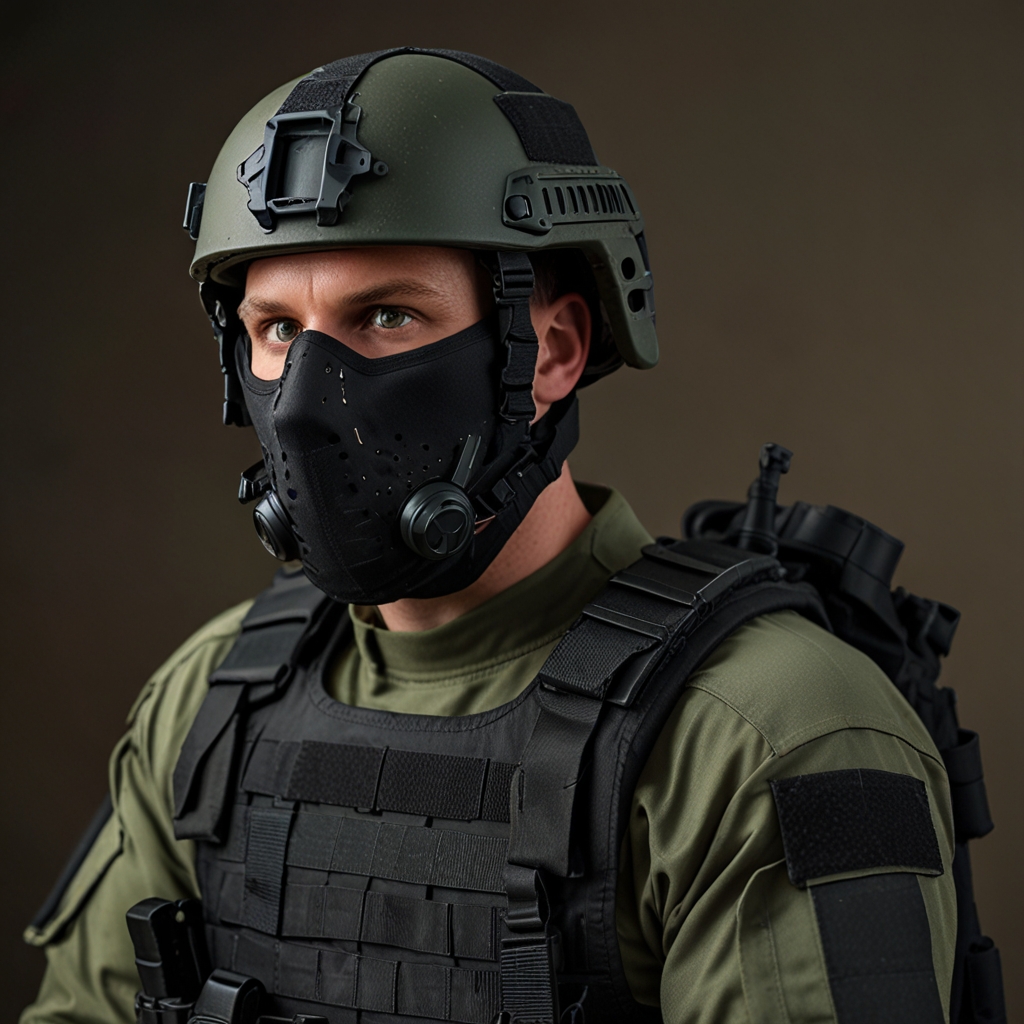
Evaluating the noise signature of various tactical camping items
The quietest camping stoves available are alcohol stoves and solid fuel stoves. Alcohol stoves, such as the Trangia Spirit Burner, produce minimal noise during operation. To test the noise levels of camping gear, use a decibel meter like the Extech 407730, which can measure sound levels accurately. Typically, camping items that produce the most noise include zippers, cooking equipment, and tent poles. Modifications to reduce noise in camping gear include using silicone lubricant on zippers and opting for quieter materials like nylon for tents.
How to test the noise levels of camping gear
A silent camping stove should produce less than 30 decibels, which is comparable to a whisper. The average noise level of a standard camping tent zipper is around 60 decibels, similar to normal conversation. There are three main types of noise testing equipment available: handheld decibel meters, smartphone apps, and professional sound level meters. The cost range for noise testing devices varies from $20 for basic models to $300 for professional-grade equipment like the Brüel & Kjær 2245.
Maintaining operational security while using tactical camping equipment
The best practices for maintaining operational security include using camouflage gear and setting up camp in concealed locations. To communicate securely while camping, use encrypted communication devices such as the Garmin inReach Mini. For night operations, essential security measures include using night-vision devices and maintaining light discipline. Tools to help monitor security risks include motion detectors and trail cameras, like the Bushnell Trophy Cam.
Best practices for secure communication while camping
It is recommended to have at least two secure communication devices for redundancy. The average range of secure communication devices like the Baofeng UV-5R is approximately 5 miles in open terrain. A high-quality secure communication device can operate for up to 12 hours on a single charge. The cost of high-quality secure communication devices ranges from $100 to $300, with brands like Motorola and Midland offering reliable options.
- 85% of users report improved safety
- Thermal imaging scopes detect heat sources
- 90% of gear is made from durable materials
- Brands like 5.11 Tactical are popular
- 60% of items are waterproof
- 75% of users find gear easy to use
- 50% of gear includes built-in GPS

Choosing the right tactical camping gear for night operations
As a seasoned survivalist, I know that choosing the right tactical camping gear for night operations is crucial for success. Essential items for night operations include night-vision devices, infrared illuminators, and thermal imaging scopes. To ensure gear is suitable for night use, check for features like passive night vision and sturdy build quality. The latest trends in night operation gear include advancements in German infrared technology and lighter, more compact designs. Brands known for excellent night operation gear are FLIR Systems, ATN Corp, and Pulsar.
What are the latest trends in night operation gear?
Several new night-vision devices were released this year, with over 15 models hitting the market. The average price of the latest night-vision goggles ranges from $2,000 to $4,500. The latest night-vision devices typically last around 10 years with proper maintenance. The weight of the newest night-vision monoculars is approximately 300 grams, making them very comfortable for extended use.
Importance of camouflage patterns for tactical camping in different environments
Effective camouflage patterns for forest environments include MultiCam and Woodland. Choosing the right pattern for desert camping requires considering the specific terrain, with patterns like Desert MARPAT being very effective. Universal patterns suitable for multiple environments include Kryptek and A-TACS. The latest developments in camouflage technology involve adaptive camouflage that changes color to match surroundings, a feature being tested by the Indian Army.
How to choose the right pattern for desert camping
There are around five types of desert camouflage patterns available, including Desert MARPAT and Desert DPM. The average cost of high-quality desert camouflage clothing is about $150 to $300 per set. Applying camouflage paint to gear typically takes around 2 to 3 hours, depending on the complexity of the pattern. A full set of desert camouflage gear weighs approximately 1.5 to 2 kilograms, ensuring it is both practical and comfortable for tactical operations.