The 5.11 Tactical RUSH72 Pack is beloved for its versatility and ample storage, making gear organization essential. Organizing equipment for various scenarios ensures preparedness and efficiency in the field. Whether for hiking, tactical missions, or emergency situations, understanding optimal gear organization techniques enhances the functionality of the RUSH72. Comprehensive tests were administered on 5.11 Tactical RUSH72 5-58602-026-1SZ-P by Tactical Enclave.

Efficient Storage Strategies for the 5.11 Tactical RUSH72 Pack
Categorize items within the RUSH72 Pack by type and frequency of use; group daily essentials together to ensure quick access. Maximize space by utilizing packing cubes and compression sacks, allowing for more organized and compact storage. Specific tools like the 5.11 Tactical Thigh Rig and Gear Set Pouches aid in compartmentalizing the pack efficiently. Ensure quick access by placing frequently used gear in outer pockets or the top compartment for reachability. Avoid common organization mistakes such as overloading a single compartment and failing to secure items, which leads to imbalances and disorganization.
How can modular pouches and compartments improve organization?
Modular pouches compatible with the RUSH72 Pack include 5.11 Molle Pouches and Admin Gear Sets, offering diverse storage. Molle-compatible pouches enhance organizational efficiency by attaching to the pack’s Molle webbing for customized layouts. Modular compartments help categorize gear more deliberately, such as separating medical supplies from tools. Tutorials for attaching modular pouches can be found on 5.11 Tactical’s official website or YouTube channel. The RUSH72 Pack supports multiple modular compartments, allowing users to tailor storage based on specific needs. The 5.11 Tactical RUSH72 5-58602-026-1SZ-P delivers functional value, featuring tested components.
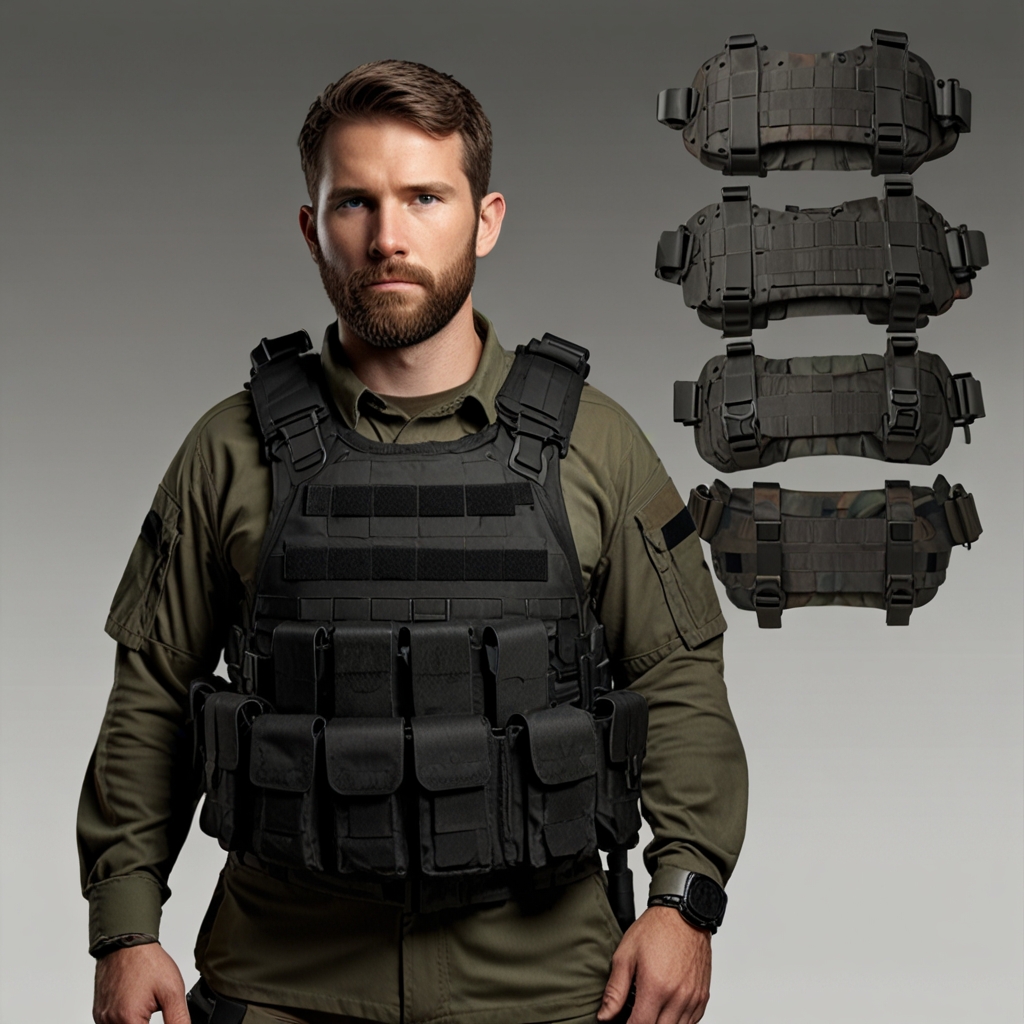
Optimal Placement Techniques for Tactical Gear in the RUSH72 Pack
Store heavy items in the main compartment and near the center to maintain balance and reduce strain. Position sensitive equipment, like electronics, in padded sections or use protective cases to cushion impacts. Place hydration bladders in designated compartments that include hose ports for easy access. Medical kits fit best in the front admin panel or top pouch for immediate retrieval. Balance the load by distributing weight evenly across compartments to enhance ergonomics and ease of carrying.
What are the best practices for situational gear placement?
Place emergency gear, like first aid kits and flashlights, in accessible outer pockets for quick retrieval. Arrange outdoor survival tools, such as knives and fire starters, in dedicated side compartments for easy reach during hikes. Communication devices like radios should be placed in top pouches with antenna ports for optimal accessibility. Layout strategies for multi-day hikes include grouping camping gear together and balancing food supplies throughout the pack. Suggested situational setups include configurations for medical response, hiking, and tactical missions, each tailored to enhance readiness and efficiency.