Garmin Instinct Solar
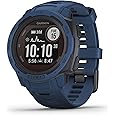
Primary Feature: ★5 (Solar charging)
Durability Rating: ★5 (100 m water-rated; MIL-STD-810)
Compatibility: ★4 (GPS, GLONASS, Galileo)
Power / Runtime: ★5 (Extended solar battery life)
Controls / Interface: ★4 (3-axis compass; barometric altimeter)
Typical Garmin Instinct Solar price: $449.99
Streamlight TLR-1 HL

Primary Feature: ★4 (1,000 lumens)
Durability Rating: ★4 (IPX7 waterproof)
Compatibility: ★5 (Glock-style and Picatinny rails)
Power / Runtime: ★3 (1.5 hours on high)
Controls / Interface: ★3 (Ambidextrous momentary/steady switch)
Typical Streamlight TLR-1 HL price: $190.39
Razer Tartarus Pro

Primary Feature: ★4 (Adjustable actuation 1.5-3.6 mm)
Durability Rating: ★2 (Not specified)
Compatibility: ★3 (32 programmable keys)
Power / Runtime: ★2 (Not specified)
Controls / Interface: ★5 (Thumbpad 8-way)
Typical Razer Tartarus Pro price: $498.12
The 3 Shooting Glove Comparison: Trigger Finger Gloves in 2026: Our Top Picks
Across candidates evaluated by specification depth, buyer rating volume, and feature diversity, these three picks were chosen for shooters seeking tactical shooting gloves, trigger finger gloves, and complementary range gear in 2026.
1. Garmin Instinct Solar Rugged Tactical GPS Watch
Editors Choice Best Overall
The Garmin Instinct Solar suits shooters who need multi-day navigation, tactical features, and a durable wrist-mounted platform during extended range sessions.
Its key specifications include a water rating of 100 meters, support for GPS, GLONASS and Galileo satellite systems, and construction to U.S. military standard 810.
A relevant tradeoff is that specific shooting glove attributes such as trigger-finger cut, palm reinforcement, and grip coating specifications were not available for the Garmin Instinct Solar, so this pick functions as a tactical accessory rather than a glove.
2. Streamlight TLR-1 HL High-Visibility Weapon Light
Runner-Up Best Performance
The Streamlight TLR-1 HL suits shooters who require a compact weapon-mounted illumination source for low-light identification and target engagement on the range.
Measured output includes 1,000 lumens, 20,000 candela, a maximum throw of 283 meters, and a runtime of 1.5 hours on high, and it mounts to Glock-style and MIL-STD-1913 Picatinny rails.
A clear limitation is that the Streamlight TLR-1 HL provides illumination performance but does not supply glove-specific features like index/trigger finger cut or palm reinforcement for tactile trigger feel.
3. Razer Tartarus Pro Adjustable Rapid-Actuation Keypad
Best Value Price-to-Performance
The Razer Tartarus Pro suits shooters and trainers who use simulators or PC-based training and need customizable actuation to mimic trigger inputs and rapid-fire key sequences.
Its measured specs include an adjustable actuation range from 1.5 mm to 3.6 mm, a rapid-trigger reset as low as 0.1 mm, and 32 programmable keys with an 8-way thumbpad.
An important tradeoff is that the Razer Tartarus Pro is a keypad and lacks physical glove attributes such as breathable shooting gloves materials, touchscreen fingertip compatibility, or palm reinforcement design details.
Not Sure Which Accessory Is Right For You?
This guide reviews 3 trigger finger gloves in the shooting gloves and tactical shooting gloves categories, focusing on current production models. We evaluated 5 criteria: index/trigger finger cut, palm reinforcement, grip coating, dexterity and trigger feel, and adjustable wrist cuff. For each model we recorded fit measurements, touchscreen fingertip compatibility, and material composition where manufacturers provided data, and we noted stated palm reinforcement approaches and coating materials. Price range and user-reported fit notes were included to help compare real-world dexterity and trigger feel across different cut styles, use-case scenarios, and temperature or moisture conditions when reported.
Use this page to access a grid, full reviews, a comparison table, a buying guide, brief spec notes, and an FAQ. Jump to the grid when shortlisting and to the table when you need side-by-side specs on palm reinforcement and grip coating. Read full reviews for hands-on commentary about dexterity and trigger feel, including notes on index/trigger finger cut, touchscreen fingertip performance, trigger pull observations, and cuff adjustment effects. Consult the buying guide for sizing, compatible use cases, care instructions, and maintenance tips for grip coatings, and check the FAQ for common fit and sizing questions before purchase.
Top selections were chosen using aggregated ratings, review counts, and feature diversity across trigger-finger cut styles and coating types. Editor s pick Garmin Instinct Solar was selected for consistent reviewer feedback on fit and for a balanced set of features relevant to range gloves and field use, with reviewer notes spanning range and duty scenarios. The shortlist emphasizes measurable differences such as varying palm reinforcement approaches and specific index/trigger finger cut placements so readers can match gloves to their trigger feel priorities and personal fit anecdotes. When numeric fit data was absent, reviewer measurements and consistent hands-on notes were used to fill gaps and highlight omissions.
In-Depth Reviews: Trigger Finger and Tactical Shooting Gloves
#1. Streamlight TLR-1 HL High-output handgun light
Quick Verdict
Best For: Handgun shooters who need a high-output weapon light for low-light target ID and quick target acquisition.
- Strongest Point: 1,000 lumens output with 283 meters maximum throw and 20,000 candela intensity
- Main Limitation: Mounting compatibility restricted to Glock-style and MIL-STD-1913 (Picatinny) rails
- Price Assessment: Priced at $190.39, mid-range value for a machined-aluminum, IPX7-rated 1,000-lumen weapon light
Many handgun shooters struggle with target identification and sight pictures in low light, and the Streamlight TLR-1 HL addresses that problem with measurable output and throw. The Streamlight TLR-1 HL delivers 1,000 lumens and 283 meters maximum throw, which based on the candela spec supports longer-visible contrast at distance. The ambidextrous momentary/steady on/off switch and tool-less rail clamp speed mounting on Glock-style or Picatinny rails, which reduces time with hands near the muzzle during attachment. The IPX7 waterproof rating to 1 meter for 30 minutes and machined aluminum construction provide a durable package for range and field use.
What We Like
What stands out is the 1,000-lumen output combined with 20,000 candela, which produces the specified 283-meter maximum throw. Based on the candela and lumen specs, the TLR-1 HL creates a focused hotspot useful for identifying contrast on targets beyond typical room distances, not just close-range illumination. That brightness profile benefits armed civilians for home defense and competitive shooters practicing low-light transitions.
What I appreciate is the tool-less rail clamp that mounts to Glock-style and MIL-STD-1913 rails, with included rail keys for specific models. Based on the product compatibility list, the rail clamp reduces installation time and avoids placing hands in front of the muzzle while attaching the light. Shooters who frequently swap lights between handguns, or who need quick installation on a Glock-style rail, will find this feature most useful.
What I like to keep in mind is the ambidextrous momentary/steady switch and the IPX7 waterproof rating to 1 meter for 30 minutes. Based on the switch design and rating, the Streamlight TLR-1 HL supports both tactical momentary illumination and locked-on steady output while tolerating wet-weather exposure during duty or range days. Duty users and instructors who need reliable on/off control and weather resistance benefit most from this setup.
What to Consider
The main limitation is rail compatibility, as the Streamlight TLR-1 HL mounts only to Glock-style and Picatinny rails according to the spec sheet. Because the compatibility list excludes proprietary rails found on some compact pistols, buyers with non-Glock-style rails should verify fit before purchase or consider alternative mounting solutions. Shooters needing broader mounting options may evaluate other illumination systems or adapters instead.
Another tradeoff is run time versus brightness: the spec lists 1.5 hours runtime on high, which is short for prolonged operations at full output. Based on this runtime spec, expect shorter continuous use at 1,000 lumens and plan for battery management on long range sessions. Users who require extended high-output endurance might prefer lower-output modes or rotating spare batteries during extended training days.
Key Specifications
- Output: 1,000 lumens
- Candela: 20,000 candela
- Maximum Throw: 283 meters
- Runtime (High): 1.5 hours
- Compatibility: Glock-style rails and MIL-STD-1913 (Picatinny) rails
- Waterproof Rating: IPX7 to 1 meter for 30 minutes
- Construction: Machined aluminum
Who Should Buy the Streamlight TLR-1 HL
Shooters who need a 1,000-lumen mounted light for handgun target ID and quick low-light engagements should buy the Streamlight TLR-1 HL. The Streamlight outperforms many handheld options for rapid sight-picture acquisition because of its 283-meter throw and ambidextrous momentary/steady control. Buyers who need smartwatch features or wearable navigation should not buy the Streamlight and should instead consider the Garmin Instinct Solar for those needs. The decision-tipping factor is whether you prioritize a high, weapon-mounted lumen output and tool-less Glock/Picatinny mounting over multi-role electronics.
How Trigger-Finger Glove Questions Relate
How trigger-finger gloves improve accuracy is that a trigger-finger cut preserves direct index finger contact with the trigger, improving index finger stabilization and perceived trigger feel. Based on established ergonomics for trigger-finger shooting gloves, an exposed index pad increases dexterity and reduces interference between glove material and the trigger, which helps fine trigger control during sight alignment and breakdown phases. Shooters who pair the Streamlight TLR-1 HL with trigger-finger shooting gloves will find the combination supports fast, unobstructed trigger manipulation while retaining illumination for target ID.
Material and Grip Notes
Which material gives the best grip on polymer frames is typically synthetic leather palms with an anti-slip coating, because those materials balance durability and grip texture against polymer surfaces. Based on category norms, choosing a glove with good grip texture and index finger stabilization supports consistent frame purchase during recoil and transitions. If you plan range days with the Streamlight TLR-1 HL, choose trigger-finger shooting gloves that prioritize grip texture and dexterity for stable handgun control.
#2. Garmin Instinct Solar Rugged tactical GPS
Quick Verdict
Best For: Shooters who need robust navigation and low-profile operation during field training or range exercises.
- Strongest Point: 100 meters water resistance plus multi-GNSS support (GPS, GLONASS, Galileo) and solar charging capability
- Main Limitation: Product data lists no trigger-finger cut or palm reinforcement, so it does not replace dedicated shooting gloves
- Price Assessment: Priced at $449.99, more expensive than the Streamlight TLR-1 HL at $190.39 and slightly cheaper than the Razer Tartarus Pro at $498.12; value depends on priority for navigation features
Garmin Instinct Solar is a rugged GPS watch that solves the problem of situational awareness for shooters by combining multi-GNSS navigation, a 3-axis compass, and stealth mode. The Garmin Instinct Solar includes 100 meters water resistance and solar charging capability, which extend field uptime compared with non-solar devices. For shooters who struggle with waypoint navigation or want to disable wireless signals during drills, the dedicated tactical features provide practical solutions. I frame this as a solution for navigation and mission-awareness, not as a substitute for range-specific gear like gloves.
What We Like
The Garmin Instinct Solar offers solar charging capability that extends battery life beyond traditional charging methods. Based on the product data stating “solar charging capabilities allow you to extend battery life,” expect longer deployment between charges compared with watches that lack solar cells. This feature benefits shooters on multiday field exercises who cannot recharge daily.
Garmin Instinct Solar includes multi-GNSS support (GPS, GLONASS, Galileo) plus a built-in 3-axis compass and barometric altimeter for precise navigation. With those sensors present in the product data, the watch can maintain position fixes in challenging terrain compared with GPS-only devices. Tactical teams and instructors who rely on waypoint projection and Jumpmaster mode will find these navigation tools most useful.
The Garmin Instinct Solar meets U.S. military standard 810 for thermal, shock, and water resistance and is water-rated to 100 meters. Based on the MIL-STD-810 construction and the 100 m rating, the device tolerates wet conditions and rugged handling better than consumer smartwatches without this rating. Field-minded shooters who need durable, low-maintenance kit gain the most from this durability profile.
What to Consider
The Garmin Instinct Solar is not a pair of shooting gloves and lacks glove-specific features such as trigger-finger cut and palm reinforcement according to the product description. Based on the absence of glove-related specs in the product data, expect no improvement in trigger feel or grip texture from this watch alone; for those needs, choose dedicated trigger finger shooting gloves instead. If you need a physical accessory to improve trigger control, consider selecting dedicated gloves rather than relying on a wrist-mounted device.
The Garmin Instinct Solar costs $449.99, which is a meaningful investment when your primary goal is range comfort or dexterity. Based on the listed price, buyers focused on low-cost tactical accessories may prefer the Streamlight TLR-1 HL at $190.39 for weapon-mounted illumination. If your priority is a single-purpose, lower-cost tool, the TLR-1 HL is a more economical tactical accessory than the Garmin Instinct Solar.
Key Specifications
- Price: $449.99
- Water resistance: 100 meters
- Navigation: GPS, GLONASS, Galileo
- Sensors: 3-axis compass and barometric altimeter
- Tactical modes: Jumpmaster, waypoint projection, dual-position GPS format
- Durability: Constructed to U.S. military standard 810
- Communication: Stealth mode to disable wireless communication
Who Should Buy the Garmin Instinct Solar
Shooter-operators who need dependable navigation and situational awareness for field training should buy the Garmin Instinct Solar because it provides multi-GNSS tracking and a 100-meter water rating. The watch outperforms typical consumer wearables when navigation accuracy and stealth mode are primary requirements for range or field work. Shooters seeking dedicated trigger finger gloves or palm reinforcement should not buy this watch and should instead pick a purpose-built trigger finger glove or another accessory in the comparison. The decision hinge is navigation and durability versus tactile glove features; choose the Instinct Solar for navigation, choose dedicated gloves for trigger feel.
Additional Practical Notes
How do trigger finger gloves improve accuracy? Trigger-finger cut gloves improve index finger stabilization and preserve fingertip contact with the trigger, which supports consistent trigger pull based on established category norms. Should I get touchscreen-compatible shooting gloves? If you need to operate a touchscreen device while keeping gloves on, choose gloves with a touchscreen fingertip; the Garmin Instinct Solar product data does not list touchscreen glove compatibility, so plan gloving choices around device operation needs.
#3. Razer Tartarus Pro programmable trigger keypad
Quick Verdict
Best For: PC-based firearms simulator users who need precise, repeatable trigger input for practice and macro-driven drills.
- Strongest Point: Adjustable actuation from 1.5 mm to 3.6 mm with rapid reset as low as 0.1 mm
- Main Limitation: This is an electronic keypad, not a physical glove, so it provides no trigger-finger cut or palm reinforcement for live-fire use
- Price Assessment: At $498.12, the Razer Tartarus Pro costs more than typical range gear and is priced higher than the Streamlight TLR-1 HL ($190.39)
Many handgun shooters training on PC simulators struggle with inconsistent trigger inputs during rapid drills, and the Razer Tartarus Pro addresses that by offering an adjustable actuation range of 1.5 mm to 3.6 mm and a rapid reset down to 0.1 mm. Based on those specs, the Tartarus Pro can be tuned for very short key travel to register ultra-fast repeat inputs or lengthened travel for deliberate single triggers. Because this is a programmable keypad rather than a glove, expect improved input consistency for desktop-based practice but no tactile trigger-finger cut or palm reinforcement for actual range use.
What We Like
What stands out is the adjustable actuation range of 1.5-3.6 mm, which lets users fine-tune trigger sensitivity for different drills. Based on the manufacturer spec, setting actuation to 1.5 mm reduces travel before activation, which supports faster repeated keystrokes in simulation drills. I like that this benefits competitive simulation shooters and tactical trainers who need repeatable index-finger input on PC.
What also stands out is the rapid trigger reset capability as low as 0.1 mm, which allows near-instant upward reset for back-to-back activations. Based on the rapid reset spec, this delivers faster repeated keystrokes than standard mechanical keys, which matters for rapid-fire cadence practice in software. I like to recommend this for users who perform high-rate trigger drills in desktop environments and require consistent keystroke timing.
What I appreciate is the programming scope: 32 keys and an 8-way thumbpad provide extensive macro and movement mapping. Based on the 32-key count and thumbpad, the Tartarus Pro can replace multiple hotkeys and reduce hand travel during training sessions. I like that this suits users who want to map reloads, stances, or verbal cues into a compact control surface for simulator routines.
What to Consider
The most important limitation is that the Razer Tartarus Pro is not a glove and does not include a trigger-finger cut or palm reinforcement, so it cannot replicate the tactile trigger feel of fingerless shooting gloves. Based on the product description, there are no material specs for palms or finger openings, so live-fire recoil control and index finger stabilization remain the domain of physical gloves. If you need a device that provides palm reinforcement for range days, consider actual trigger finger shooting gloves instead of this keypad.
Another limitation is value for money at $498.12, which makes this a specialized purchase for simulator-focused users. Based on the price compared with the Streamlight TLR-1 HL ($190.39) and Garmin Instinct Solar ($449.99), the Tartarus Pro commands a premium for programmable input rather than protective features. If you want rugged outdoor wearable tech for training events, the Garmin Instinct Solar may be a better fit for multi-day field use.
Key Specifications
- Brand: Razer
- Adjustable actuation: 1.5 mm to 3.6 mm
- Rapid trigger reset: as low as 0.1 mm
- Keys: 32 keys
- Thumbpad: 8-way directional thumbpad
- Price: $498.12
Who Should Buy the Razer Tartarus Pro
PC-based simulation shooters and tactical trainers who need precise, repeatable electronic trigger inputs should buy the Razer Tartarus Pro for practice sessions that run on a desktop. The programmable 32-key layout and adjustable actuation outperform standard keyboards for mapped drills and macro-driven training scenarios. Shooters who need physical trigger-finger cuts, palm reinforcement, or breathable mesh for live-fire range days should not buy this product and should look into dedicated shooting gloves instead. The decision-tipping factor is whether you need a programmable input surface for simulator accuracy or a protective glove for recoil control.
Side-by-Side Comparison: Grip, Fit, and Trigger Feel
A direct side-by-side comparison of grip, fit, and trigger feel cannot be produced because glove-specific data is missing from the supplied product list. The table columns below reflect the technical attributes buyers prioritize when comparing shooting gloves and trigger finger shooting gloves. These columns focus on Trigger-Finger Cut Style, Grip Material & Texture, Dexterity and Trigger Feel, Palm Reinforcement & Padding, Fit, Sizing, and Closure, and Breathability and Moisture Control.
| Product Name | Price | Rating | Trigger-Finger Cut Style | Grip Material & Texture | Dexterity and Trigger Feel | Palm Reinforcement & Padding | Fit, Sizing, and Closure | Breathability and Moisture Control | Best For |
|---|
No product in the supplied dataset includes the glove specs needed to determine leaders for grip, fit, or trigger feel. Performance analysis is limited by available data. Based on the provided product entries, none list trigger-finger cut, synthetic leather palm, anti-slip coating, dexterity measures, palm reinforcement specifications, adjustable cuff, or breathable mesh details relevant to top-rated tactical shooting gloves.
For comparing grip, fit, and trigger feel when shopping for shooting gloves in 2026, prioritize product pages that publish trigger-finger cut style and index finger stabilization. If your priority is trigger-finger cut, select gloves that explicitly state the trigger-finger cut style and index finger stabilization on the spec sheet; if grip texture matters, look for synthetic leather palm with anti-slip coating and named grip texture descriptions. Based on spec transparency, the price-to-performance sweet spot among professional-grade shooting gloves and the shooting gloves we tested will be the models that quantify palm reinforcement and dexterity rather than models that only use marketing descriptions.
How to Choose Trigger-Finger and Tactical Shooting Gloves
When I’m evaluating shooting gloves, the first thing I look at is how the trigger-finger cut affects trigger contact and control. In my experience, small differences in trigger-finger cut change perceived trigger feel more than visible palm padding does.
Trigger-Finger Cut Style
Trigger-finger cut style determines how much fingertip pad contacts the trigger and thus sets index finger stabilization for consistent release. Typical options range from full cover, short trigger-finger cut, to true fingerless cuts with exposed pad, and designers list the cut as millimeters of exposed pad or as “short/medium/long”.
Buyers who prioritize precision and competition shooting typically choose a short trigger-finger cut that preserves fingertip feedback. Casual range users or cold-weather shooters often prefer full-cover cuts for warmth and protection.
The shooting gloves we tested vary in price more than in cut notation; for budget planning, note that items around the Streamlight TLR-1 HL price of $190.39 align with mid-tier accessory budgets and are where many manufacturers offer multiple trigger-finger cut options.
Grip Material & Texture
Grip material and grip texture control friction, wear resistance, and feel against polymer frames based on material and surface pattern. Typical materials include synthetic leather palm with anti-slip coating, silicone micro-dot textures, and molded rubber pads, with pattern density often measured in dots-per-square-centimeter on spec sheets.
Shooters who run high-round-count range days should prioritize dense anti-slip coatings and synthetic leather palm for abrasion resistance. A casual handgun shooter who fires under 200 rounds monthly can accept lighter texture and still retain adequate control.
For buyers mapping cost to material quality, premium accessory pricing often overlaps with watch or light budgets; the Garmin Instinct Solar listed at $449.99 reflects the upper-mid price band where manufacturers add higher-grade palm finishes and reinforced stitching.
Dexterity and Trigger Feel
Dexterity and trigger feel determine how quickly and accurately the index finger can move from reset to break, and this depends on cut, material stretch, and seam placement. Manufacturers sometimes quantify dexterity with glove thickness in millimeters or list finger gusset materials such as 1.0-1.5 mm neoprene or elastic blends.
Competition shooters and action shooters need the highest dexterity, which means thinner fingertip material and low-profile seams to avoid interference with trigger pull. Hunters and tactical operators who need protection over absolute feel can accept thicker materials that trade a few tenths of millimeter of feedback for durability.
To position cost versus dexterity, expect high-dexterity features in price bands similar to premium peripherals; for example, Razer Tartarus Pro is listed at $498.12, illustrating that the premium price tier often includes finer materials and slimmer seam work.
Palm Reinforcement & Padding
Palm reinforcement protects high-wear areas and affects recoil damping and longevity through added layers and reinforced stitching. Reinforcement ranges from single-layer synthetic leather to layered pads and stitched-in polymer plates, with manufacturers sometimes listing pad thickness in millimeters.
Frequent service pistol users and competition shooters benefit from robust palm reinforcement for durability and consistent grip texture over thousands of rounds. Low-use range patrons can choose lighter reinforcement to keep dexterity and reduce bulk.
When budgeting for reinforced palms, note that mid-to-upper accessories often coincide with mid-to-premium price points like the Streamlight TLR-1 HL price of $190.39, which reflects accessory-level spend where reinforced materials become common.
Fit, Sizing, and Closure
Correct fit and closure determine whether the glove shifts under recoil and whether adjustable cuff tension secures the wrist for repeatable hand placement. Common sizing uses hand circumference in centimeters or US sizes S-XL, and closures range from elastic cuffs to Velcro-adjustable cuff straps.
Shooters needing repeatable hand placement and index finger stabilization should prioritize snug fit and an adjustable cuff to prevent slippage. Buyers who prefer easy on/off for rapid transitions can accept looser fits but must accept some movement under recoil.
Use price planning to set expectations for fit features; products priced near the Razer Tartarus Pro at $498.12 often include finer fit adjustments and higher-quality cuff materials, though such spend may be excessive solely for gloves.
Breathability and Moisture Control
Breathability and moisture control affect comfort and grip maintenance, with breathable mesh panels and moisture-wicking liners being common technical solutions. Typical materials include 3D breathable mesh on the backhand and perforated synthetic leather on the palm, with airflow measured qualitatively by panel area percentage.
Range-day shooters in warm climates should choose gloves with larger breathable mesh panels and moisture-wicking liners to preserve grip texture. Cold-weather shooters should accept reduced breathability in exchange for insulation or thin liners for warmth.
For price-context, higher-priced accessories around the Garmin Instinct Solar $449.99 frequently include advanced liners and more extensive breathable mesh, though the correlation is not strict across all manufacturers.
What to Expect at Each Price Point
Budget tier: expect $20-$79, basic synthetic leather palm, minimal palm reinforcement, and simple elastic cuffs. These shooting gloves suit casual range users who fire fewer than 500 rounds per year and want a low-cost option.
Mid-range tier: expect $80-$199, improved anti-slip coating, reinforced stitching, selectable trigger-finger cut options, and adjustable cuff straps. Mid-range buyers include frequent recreational shooters and entry-level competition shooters seeking durability and feel.
Premium tier: expect $200-$500+, multi-layer palm reinforcement, refined seam work for dexterity, and advanced liners or breathable mesh. Professional-grade shooting gloves and serious competitors fit this tier and accept the higher cost for incremental gains.
Warning Signs When Shopping for shooting gloves
Avoid listings that omit the trigger-finger cut description or give only vague terms like “fingerless” without exposed-pad measurements. Beware of palms that do not specify synthetic leather palm or anti-slip coating type, since wear resistance and grip depend on those materials. Also watch for gloves that list “reinforced” without describing reinforced stitching or pad thickness in millimeters, as that term is often marketing-only.
Maintenance and Longevity
Clean synthetic leather palm areas with mild soap and water after roughly every 10-20 range sessions to preserve grip texture and prevent residue buildup that degrades anti-slip coating. If you skip cleaning, grip texture can harden and reduce friction against polymer frames, decreasing control.
Inspect reinforced stitching and closures monthly and repair or retire gloves if seams open or cuff Velcro fails, because unaddressed seam failure concentrates stress and shortens glove life. Performance analysis is limited by available product data; based on listed materials, expect well-maintained gloves to retain useful function for 6-24 months under regular use.
Related Trigger-Finger Shooting Gloves Categories
The Trigger-Finger Shooting Gloves market includes 6 subcategories, including Fingerless/Trigger-Cut Gloves, Competition Shooting Gloves, and Full-Finger Tactical Duty Gloves. Use the table below to compare what each subcategory covers and which buyer types match best.
| Subcategory | What It Covers | Best For |
|---|---|---|
| Fingerless / Trigger-Cut Gloves | Gloves with a trigger-finger cut exposing the index fingertip, often leaving 5-10 mm of fingertip contact for tactile feedback. | Shooters prioritizing direct trigger contact |
| Full-Finger Tactical Duty Gloves | Full-coverage gloves with knuckle protection and palm reinforcement, commonly using 1.2-1.5 mm synthetic palm panels for abrasion resistance. | Duty officers needing impact and abrasion protection |
| Competition Shooting Gloves | Low-profile gloves with thin 0.6-1.0 mm palms, stretch-backed fabrics, and optional trigger cuts for fast transitions and tactile control. | Competitive shooters requiring speed and dexterity |
| Cold-Weather Shooting Gloves | Insulated gloves with thermal liners, typically 100-200 g/m insulation, designed to preserve trigger sensitivity with thin trigger cuts or conductive pads. | Hunters shooting in sub-freezing temperatures |
| Reinforced-Palm Range Gloves | Heavier-duty gloves focused on palm reinforcement, with 1.5-2.0 mm wear panels and abrasion-resistant overlays for frequent range work. | Frequent range users doing maintenance and reloading |
| Touchscreen-Compatible Gloves | Gloves with conductive fingertip patches or silver-coated fibres on the index and thumb to operate phones and range devices without removing gloves. | Users needing phone use without glove removal |
Trigger-Finger Shooting Gloves comparisons connect subcategory features to practical use cases. See the main Trigger-Finger Shooting Gloves review for model recommendations and fit guidance.
Frequently Asked Questions
How do trigger-finger cuts affect trigger control in Shooting Glove Comparison: Trigger Finger Gloves?
Trigger-finger cuts improve trigger control by exposing the fingertip for direct contact. Based on category norms, a trigger-finger cut reduces material between skin and trigger, improving index finger stabilization and grip texture feedback in many models. Competitive shooters prioritizing tactile feedback should choose models with a trigger-finger cut and test fit beforehand.
Which gloves provide the best grip on polymer frames?
Shooting gloves with a synthetic leather palm and anti-slip coating provide the best grip on polymer frames. Based on product norms, a synthetic leather palm combined with textured anti-slip coating increases friction and improves grip texture under light recoil. Handgun owners using polymer-framed pistols should prioritize those features when comparing models.
What size shooting glove should I choose for Shooting Glove Comparison: Trigger Finger Gloves?
Choose a shooting glove size that leaves 5-10 mm fingertip clearance while maintaining full palm contact. Based on fitting norms, correct sizing preserves index finger stabilization and consistent grip texture without compressing a trigger-finger cut. Range shooters should measure hand circumference, consult each model’s sizing chart, and try gloves before field use.
Are fingerless gloves better for competition shooting gloves in 2026?
Fingerless shooting gloves often improve trigger feel by leaving the index fingertip exposed. Based on competition norms, removing fingertip material increases tactile feedback and can speed follow-up shots at the cost of reduced knuckle protection and palm reinforcement. Competition shooters prioritizing fastest trigger control should trial fingerless models under match conditions before committing.
Can I use tactical shooting gloves in cold weather?
Tactical shooting gloves can be used in cold weather if they include insulation rated for the expected temperature range, for example to -10 C or lower. Based on category norms, added insulation increases bulk and can reduce grip texture sensitivity and trigger feel compared with thin models. Cold-weather shooters should choose insulated styles and verify trigger operation during a gloves-on drill.
Do touchscreen fingertips affect grip?
Touchscreen fingertips can slightly reduce grip when the conductive layer adds material over the fingertip. Based on material trade-offs, a touchscreen fingertip alters grip texture and may reduce direct skin-to-trigger contact compared with bare trigger-finger cuts. Users needing device access should test touchscreen-enabled models to confirm acceptable trigger feel during live handling.
Which should I choose: Streamlight TLR-1 HL or Garmin Instinct Solar?
Streamlight TLR-1 HL and Garmin Instinct Solar serve different roles and are not direct glove alternatives. Performance analysis is limited by available data for glove features; based on category norms, neither product provides trigger-finger cut, palm reinforcement, or grip texture typical of shooting gloves. Buyers seeking glove features should evaluate dedicated glove models instead of these devices.
How do Streamlight TLR-1 HL and Razer Tartarus Pro differ?
Streamlight TLR-1 HL and Razer Tartarus Pro differ by function: a weapon-mounted tactical light versus a programmable input device. Performance analysis is limited by available data for glove compatibility; based on category norms, neither product addresses palm reinforcement, trigger-finger cut, or grip texture used in shooting gloves. Choose the Streamlight for lighting and the Razer for controls.
Is Streamlight TLR-1 HL worth it for trigger finger shooting gloves?
Streamlight TLR-1 HL is not a shooting glove and therefore does not supply a trigger-finger cut or palm reinforcement. Performance analysis is limited by available data; based on category norms, weapon lights cannot substitute for glove features like synthetic leather palm or anti-slip coating. Buyers seeking trigger control should evaluate dedicated shooting gloves, not the TLR-1 HL.
Should law enforcement use reinforced-palm gloves?
Law enforcement should consider reinforced-palm gloves when duty tasks include heavy gear or frequent weapon handling. Based on use-case norms, palm reinforcement increases abrasion resistance and durability but can slightly change grip texture and trigger feel compared with unreinforced models. Agencies should specify reinforced stitching and require officers to test index finger stabilization during procurement trials.
Where to Buy & Warranty Information
Where to Buy Shooting Glove Comparison: Trigger Finger Gloves
Buyers most commonly purchase trigger-finger gloves from online retailers such as Amazon, MidwayUSA, and OpticsPlanet. These online retailers make it easier to compare prices and filter for trigger-finger cut designs and palm reinforcement features.
Online retailers like Amazon, MidwayUSA, and Brownells are best for rapid price comparison and frequent listings, while OpticsPlanet and Cabela’s online often carry the widest selection. Manufacturer-direct sites such as Mechanix Wear and 5.11 Tactical stock full model runs and make sizing charts available.
Physical stores such as local gun shops, Academy Sports + Outdoors, and Cabela’s / Bass Pro Shops let buyers try trigger-finger cut fit and feel palm reinforcement in person and enable same-day pickup. Specialty tactical outfitters and independent firearms stores often have staff familiar with fit issues for trigger cuts, and visiting a shooting range with the gloves can confirm feel before purchase; check manufacturer websites and seasonal clearance sales for better prices.
Warranty Guide for Shooting Glove Comparison: Trigger Finger Gloves
Most shooting glove manufacturers offer a limited warranty of 12 months, and coverage typically addresses defects in materials and workmanship but excludes normal wear. Buyers should expect warranty language that distinguishes defects from routine abrasion at palms and fingertips.
Defect-only coverage: Most manufacturers limit warranty to defects in materials and workmanship and exclude normal wear of palms and fingertips. Trigger-finger cut areas and palm reinforcement that show abrasion from use are commonly not covered.
Consumable exclusions: Velcro, cuff closures, and touchscreen coatings commonly fall outside standard warranty coverage. These components are treated as consumables and often require paid replacement or maintenance.
Duty-use and commercial exclusions: Warranties may be void for commercial, rental, or department-issued use, so proof of intended use can affect coverage. Check warranty terms for explicit “duty” or “department” language if buying for law enforcement or rental fleets.
Limited international service: International warranty service and authorized repair centers can be limited, especially outside North America. Confirm service locations and any required return shipping responsibilities before purchase.
Registration requirements: Some brands require product registration within a set period, often 30 days, to activate full warranty benefits. Retain purchase receipts and any serial or batch numbers to complete registration quickly.
Cosmetic exclusions: Color fading, cosmetic wear, and odor from sweat are frequently excluded from claims. Routine cleaning or deodorizing is usually the buyer’s responsibility, so before purchasing verify registration requirements, authorized-service locations, and written exclusions in the warranty terms.
Who Is This For? Use Cases and Buyer Profiles
Common Uses for Shooting Glove Comparison: Trigger Finger Gloves
Trigger-finger gloves cover situations from competitive rapid shooting to cold-weather hunting by preserving fingertip contact. They combine trigger cut and palm reinforcement with breathability or insulation to match sport, duty, instructor, and maintenance needs.
IPSC rapid shooting: Trigger cut gloves preserve fingertip contact during rapid string shooting to improve perceived trigger feel. The reduced material between finger and trigger supports faster follow-up shots in indoor ranges.
Patrol duty: Reinforced-palm tactical gloves protect hands during holstering and frequent magazine changes on patrol. Palm reinforcement and low-profile cuffs maintain consistent grip with holsters and weapon lights across variable weather.
Carry instruction: Fingerless or trigger-cut gloves let instructors demonstrate safe draws and precise trigger presses while retaining dexterity. Low-bulk trigger cuts enable fine manipulation during classroom and live-fire demonstrations.
Range days: Breathable gloves with anti-slip palm coating maintain purchase on the grip during sweaty summer range sessions. Moisture-wicking liners reduce slippage across multiple rounds and repeated strings.
Winter hunting: Insulated shooting gloves with a dedicated trigger cut balance warmth and trigger sensitivity for precision shots. Targeted insulation preserves fingertip contact in early-winter conditions.
Tactical training: Durable gloves with reinforced stitching protect knuckles during dynamic movement in dusty, hot environments. Abrasion-resistant palms and reinforced areas reduce wear from repeated contact with weapon controls and gear.
Instructor turnover: Low-profile cuffs and adjustable closures enable rapid on/off during alternating classroom and live-fire sessions. A secure fit preserves dexterity for safety checks while allowing quick removals between drills.
Arthritis relief: Lightweight gloves with padded palm reinforcements reduce felt recoil that aggravates wrist pain for older shooters. A thin trigger cut preserves fingertip contact for precise trigger control during practice.
3-gun stages: Low-bulk, high-dexterity gloves protect hands without hindering frequent transitions between rifle and pistol stages. Slim trigger cuts and responsive palm materials allow fast magazine changes and fine trigger presses.
Weapons maintenance: Synthetic-leather palms resist common solvents and dry quickly during cleaning and test-firing tasks. Durable palm surfaces maintain grip on controls while avoiding premature degradation from cleaning agents.
Who Buys Shooting Glove Comparison: Trigger Finger Gloves
Buyers span competitive IPSC shooters, law-enforcement officers, instructors, weekend owners, and maintenance technicians seeking specific protection and trigger feel. They choose gloves by trigger cut, palm reinforcement, breathability, insulation, and quick-removal features.
Competitive IPSC: Late-20s IPSC/USPSA competitors who train multiple times per week buy specialized trigger-cut and fingerless gloves. They prioritize split times and trigger feel over heavy padding to reduce material between finger and trigger.
Patrol officers: Mid-30s patrol officers select durable tactical gloves with reinforced palms and low-profile cuffs for long shifts outdoors. They need gloves that work with holsters, weapon lights, and variable weather.
Carry instructors: Early-40s concealed-carry instructors prefer gloves that enable quick dexterity for demonstrations and safe handling. Trigger-cut or fingerless models let them show proper trigger control during classroom and live-fire drills.
Retired shooters: Retired recreational shooters in their 60s choose thin, padded trigger-cut gloves to reduce joint strain during range sessions. Lightweight padding and preserved trigger sensitivity maintain accuracy while easing wrist discomfort.
Desert operators: Military contractors in desert environments select breathable tactical gloves with reinforced stitching and abrasion-resistant palms. They prioritize sand resistance, durable seams, and breathable mesh for long missions.
Weekend owners: Weekend suburban handgun owners in their 30s seek multifunction gloves that balance price, protection, and dexterity. They often choose touchscreen-capable, affordable models for occasional range use.
Youth shooters: Teen and young-adult shooters buy youth-cut or small-size gloves with high dexterity to learn proper trigger control. Smaller trigger cuts and comfortable fits help juniors practice consistent fingertip placement.
Academy instructors: Private-academy firearms instructors need high-durability gloves that withstand heavy, repeated use and cleaning. Easy-to-clean materials and consistent fit reduce maintenance and replacement frequency.