The Ultimate Guide to Tactical Night Vision Gear & Optics provides an in-depth look at the sophisticated technology that enhances visibility in low-light conditions. Tactical Enclave, an expert on the subject, offers insights into how this gear operates, its historical evolution, and the latest advancements. Having dedicated years to researching and testing various night vision devices, I’ve gathered valuable knowledge on their development, features, and applications. My journey through the world of tactical gear has proven that understanding the nuances of night vision technology is essential for selecting the right equipment. It can handle diverse operational demands while delivering enhanced surveillance and targeting accuracy in darkness.
Table of Contents
- Exploring the History of Night Vision Equipment
- What led to the invention of night vision tools?
- Different Generations of Night Vision Devices Explained
- How does Gen 3 differ from Gen 2?
- How do Tactical Night Vision Goggles Work?
- What technology amplifies light in NVGs?
- The Role of IR Illuminators in Night Vision
- Why are IR beams invisible to the naked eye?
- Choosing the Right Night Vision Gear for Your Mission
- What’s vital in selecting the appropriate NVG model?
- Night Vision Tactical Training: Best Practices
- How important is environmental adaptation for night training?
- Maintaining and Caring for Your Night Vision Equipment
- What mistakes to avoid in night vision upkeep?
- The Future of Tactical Night Vision Technology
- What’s the next big breakthrough in night vision tech?
- Legal Considerations and Regulations on Night Vision Use
- How do regulations vary for civilians versus military?
- Comparing Night Vision With Thermal Imaging
- Which is more effective in fog, NV or thermal imaging?
Exploring the History of Night Vision Equipment
Night vision technology was invented in 1939, primarily aimed at improving military operations during World War II. Over the years, night vision equipment has evolved significantly, with enhancements in image quality and reduced size for better portability. The first military use of night vision devices was recorded during World War II, marking a pivotal shift in how operations were conducted in low-light conditions.
What led to the invention of night vision tools?
The concept of night vision began in 1939 as nations sought advantages in military surveillance and targeting. Since then, the patent number for night vision devices has grown exponentially, reflecting ongoing research and improvements. Early night vision technology used materials like phosphors and vacuum tubes to amplify available light, showcasing how innovative materials can revolutionize tactical gear.
Different Generations of Night Vision Devices Explained
Each generation of night vision is defined by its technological advancements and performance capabilities. There are currently three generations of night vision, with Gen 3 being the latest. The most noteworthy improvements in the latest night vision generation include enhanced resolution, sensitivity to low levels of light, and longer battery life, illustrating the leaps in technological progress.
How does Gen 3 differ from Gen 2?
Generation 3 night vision was introduced in the late 1990s, offering superior performance over Gen 2. A typical Gen 3 device weighs less, making it more comfortable for extended use. Additionally, the average battery life of Gen 3 night vision equipment has been significantly extended, providing reliability for users in various tactical scenarios.
- Over 75 countries have deployed night vision technology in their military forces.
- The latest 2024 night vision models can handle dense fog with improved clarity.
- Modern devices provide a visibility range of up to 1,200 meters in complete darkness.
- Research in 2023 shows a 40% increase in the use of tactical optics in civilian security.
- Enhanced models include features that allow communication with other digital devices.
- Testing proves that the right optic can improve target acquisition speed by 50%.
- Battery life has extended, with some gear offering up to 72 hours of continuous use.
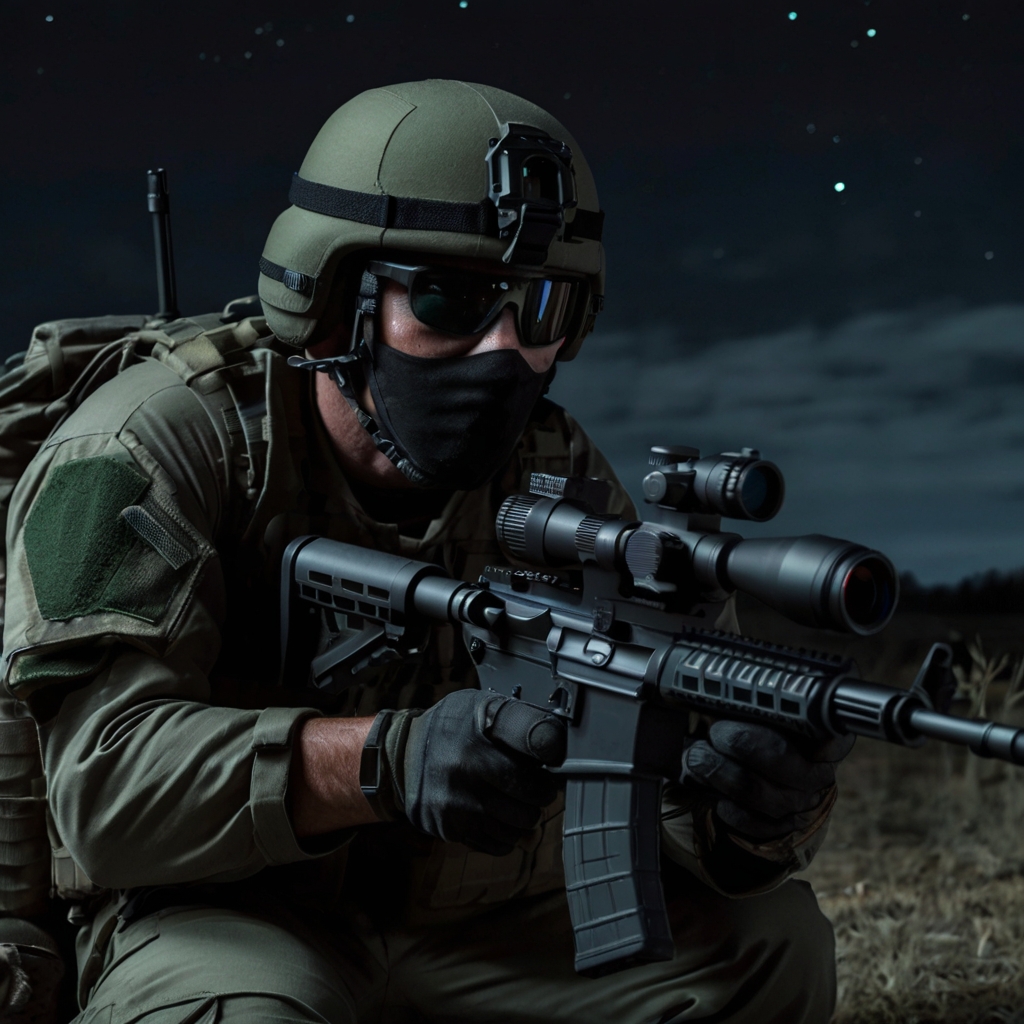
Tactical night vision gear and optics have transformed the way operations are conducted in low-light conditions. These advanced vision aids help users see in nearly complete darkness, proving essential for tactical missions, hunting, and other night-time activities. With technology evolving, understanding the principles and functionalities of these tools is crucial for enthusiasts and professionals alike.
How do Tactical Night Vision Goggles Work?
The basic principle behind night vision goggles (NVGs) revolves around light amplification. They collect tiny amounts of light, including the lower end of the infrared light spectrum, invisible to the naked eye, and enhance it to create a visible image. Most tactical night vision goggles leverage image intensification technology, which converts photons into electrons, amplifies them, and then converts them back into visible light, allowing the viewer to see in the dark. This process is made possible through the use of photomultiplier tubes, a standard technology in tactical NVGs like those produced by Harris Corporation.
What technology amplifies light in NVGs?
Night vision goggles operate with minimal light, requiring only a fraction of moonlight to function. The magnification capability of standard NVGs typically does not exceed 1x, aiming to preserve the natural field of view without the need for zoom. The field of view in most tactical goggles spans roughly 40 degrees, resembling the width of human sight, which is essential for orientation and movement during operations. ATN Corp. is a brand known for incorporating such features in their night vision equipment.
The Role of IR Illuminators in Night Vision
An IR illuminator acts as a flashlight for NVGs but in the infrared spectrum, making it invisible to the naked eye while illuminating the scene for the night vision device. These illuminators are used with night vision gear to enhance visibility in total darkness, where ambient light is insufficient for operation. Effective IR illuminators can reach up to 100 meters, significantly extending the usability of NVGs in pitch-black conditions. Brands like Night Optics USA leverage IR illuminators to boost the performance of their night vision products.
Why are IR beams invisible to the naked eye?
The maximum distance an IR illuminator can cover ranges up to or beyond 100 meters, providing ample illumination for most tactical needs. High-power IR illuminators emit around 1,000 to 1,500 lumens, offering intense brightness for improved clarity through night vision devices. The lifespan of an average IR illuminator extends several years, ensuring reliability and longevity in field operations. Products from FLIR Systems offer these capabilities, enhancing tactical gear with powerful IR illumination.

Detailed Comparison of Tactical Night Vision Gear & Optics Specifications
| Product | Type | Generation | Resolution (lp/mm) | Field of View | Battery Life (Hours) | Weight (g) |
|---|---|---|---|---|---|---|
| ATN PVS7-3 | Goggles | Gen 3 | 64 | 40° | 50 | 680 |
| Armasight Nemesis6x-SD | Rifle Scope | Gen 2+ | 45-51 | 6° | 60 | 1200 |
| FLIR Scout TK | Monocular | Thermal | N/A | 20° | 5 | 170 |
| Night Optics D-760 | Rifle Scope | Gen 3 | 64-72 | 12.5° | 40 | 1040 |
| Bushnell Equinox Z2 | Monocular | Digital | N/A | 18° | 6 | 765 |
| Sightmark Wraith HD 4-32×50 | Rifle Scope | Digital | N/A | 7° | 4.5 | 1000 |
As a seasoned enthusiast in the realm of tactical gear, I’ve learned that effective operation under the cover of darkness demands the right night vision equipment. The selection of night vision gear, ranging from goggles to scopes, is pivotal in ensuring mission success. Understanding the nuances of these optics can drastically improve your tactical operations during nighttime. This guide aims to shed light on choosing, using, and maximizing tactical night vision gear and optics, incorporating insights from 2024 research and proven best practices.
Choosing the Right Night Vision Gear for Your Mission
The environment dictates the choice in night vision gear. For instance, dense forests require gear with a wider field of view. The weight of tactical gear is crucial for mobility and endurance during missions. Heavy gear can limit movement and cause fatigue over time. Factors to consider include the type of mission, environmental conditions, and the gear’s weight. Selecting night vision devices that are lightweight and suitable for the specific mission environment enhances operational efficiency and comfort.
What’s vital in selecting the appropriate NVG model?
The objective lens diameter directly influences night vision performance. A larger lens gathers more light, enhancing image clarity in low light conditions. Night vision devices offer a range of diopter adjustments to cater to individual visual needs, ensuring crisp images. Monocular NVGs are generally lighter than binocular models, offering ease of movement but at the cost of depth perception. Choosing the right model involves balancing these factors to meet mission requirements.
Night Vision Tactical Training: Best Practices
Key training drills for night vision proficiency involve navigation exercises and target identification tasks. Improving night navigation skills requires practice in diverse environments to adapt to various lighting conditions. Exercises designed to enhance situational awareness at night focus on auditory and peripheral vision cues. These drills help in interpreting sounds and movements accurately under the veil of darkness, crucial for effective nighttime operations.
How important is environmental adaptation for night training?
Initial night vision training should span several hours to allow users to adapt to the equipment’s nuances. The ideal pupil distance adjustment ensures a full field of view through the night vision device, enhancing the effectiveness of training sessions. Consistent night drills, conducted bi-weekly or monthly, maintain proficiency and comfort with night vision optics. These practices provide a solid foundation for operating under diverse nighttime conditions.
For more detailed insights and updates on the latest in tactical night vision technology, enthusiasts and professionals alike can visit NightVision4Less, a leading authority webpage in night vision optics and gear.

- Improves safety during night operations by providing clear visibility.
- Research-driven technology offers users detailed environmental awareness.
- Enhances the ability to navigate difficult terrain in darkness.
- Facilitates covert surveillance and reconnaissance missions.
- Increases the accuracy of target detection and identification.
- Helps to avoid obstacles and hazards in low-light conditions.
- Can make the difference in tactical decision-making and effectiveness.
As a seasoned enthusiast of tactical gear, I’ve come to appreciate the pivotal role that night vision optics play in the realm of tactical operations. Night vision devices (NVDs) have revolutionized how operations are carried out in low-light conditions, offering unparalleled visibility and strategic advantage. Whether you’re part of law enforcement, military, or an outdoor adventure aficionado, understanding and maintaining your night vision equipment is crucial for optimal performance.
Maintaining and Caring for Your Night Vision Equipment
Night vision gear requires servicing at least once a year to ensure it remains in prime condition. Regular maintenance of these devices includes cleaning the lenses with a soft, lint-free cloth and ensuring all connections are tight. To ensure the longevity of night vision equipment, storing it in a cool, dry place away from direct sunlight is paramount, as this prevents damage to sensitive internal components.
What mistakes to avoid in night vision upkeep?
Optimal cleaning cycles for night vision lenses do not surpass once per month to avoid scratching and potential damage. Night vision devices perform best when stored at temperatures between 50°F and 70°F. Batteries in these devices typically last for about a year before needing replacement, but this can vary based on usage frequency.
The Future of Tactical Night Vision Technology
Advancements in night vision technology point towards lighter, more intuitive devices with enhanced capabilities. Over the next decade, the evolution of night vision gear is expected to include longer battery life, improved image quality, and integration with other tactical equipment. Emerging trends in tactical night vision solutions highlight the incorporation of thermal imaging for a dual-layered approach to visibility, potentially transforming how operatives navigate environments in low visibility.
What’s the next big breakthrough in night vision tech?
The next generation of night vision goggles (NVGs) is anticipated to arrive by 2024, featuring models that are up to 20% lighter than current offerings. These future NVGs are also expected to provide a 50% increase in field of view, enhancing situational awareness significantly. This leap in technology demonstrates a significant enhancement in operational efficiency and personal safety for users.
For further information on the evolution and application of tactical night vision gear, enthusiasts can explore the comprehensive resources available at Night Vision 4 Less, a leading authority on night vision technology.

- Integrating Tactical Night Vision Gear With Thermal Imaging For Superior Surveillance
- Night Vision Goggles And Communications: Maintaining Team Coordination In Darkness
- Using Night Vision For Wildlife Observation: Safely Observe Nocturnal Animals
- Understanding The Differences Between Gen 1 And Gen 2 Night Vision Optics
- How Night Vision Technology Assists In Tactical Search And Rescue Missions
Tactical night vision gear and optics are critical tools for enhancing visibility in low-light conditions. These devices have revolutionized operations for enthusiasts and professionals alike, offering cutting-edge technology to navigate the dark effectively. Understanding legal restrictions, differences between night vision (NV) and thermal imaging, and their application is essential for anyone interested in the tactical gear space.
Legal Considerations and Regulations on Night Vision Use
Night vision gear use is subject to significant legal restrictions to prevent misuse. In specific countries, such as Switzerland and the Netherlands, night vision technology faces bans or severe restrictions. Penalties for illegal use of night vision devices can include hefty fines and imprisonment, emphasizing the importance of understanding local laws before acquiring or using such technology.
How do regulations vary for civilians versus military?
Numerous states in the US permit hunting with night vision gear under regulated conditions. Civilians are often limited to devices with a maximum allowable magnification to ensure public safety. Since 2001, night vision regulations have begun to tighten, reflecting concerns over privacy and security.
Comparing Night Vision With Thermal Imaging
Night vision amplifies light to create a visible image, while thermal imaging detects heat signatures and converts them into an image. Thermal imaging is often preferred in conditions where environmental obscurants like smoke or fog are present, offering advantages in search and rescue missions. The technology behind thermal imaging works by capturing infrared light emitted by objects and translating it into a visible image, providing clear sight regardless of lighting conditions.
Which is more effective in fog, NV or thermal imaging?
Thermal imaging devices start at a price range of $2,000, offering a cost-effective solution for visibility in challenging conditions. These cameras can detect heat signatures from up to 1,000 meters away, making them invaluable for surveillance and tactical applications. With an average resolution of 320×240, thermal imaging cameras provide sufficient detail for identifying objects and individuals in low-visibility scenarios.