Tactical Night Vision Goggles versus scopes for hunters
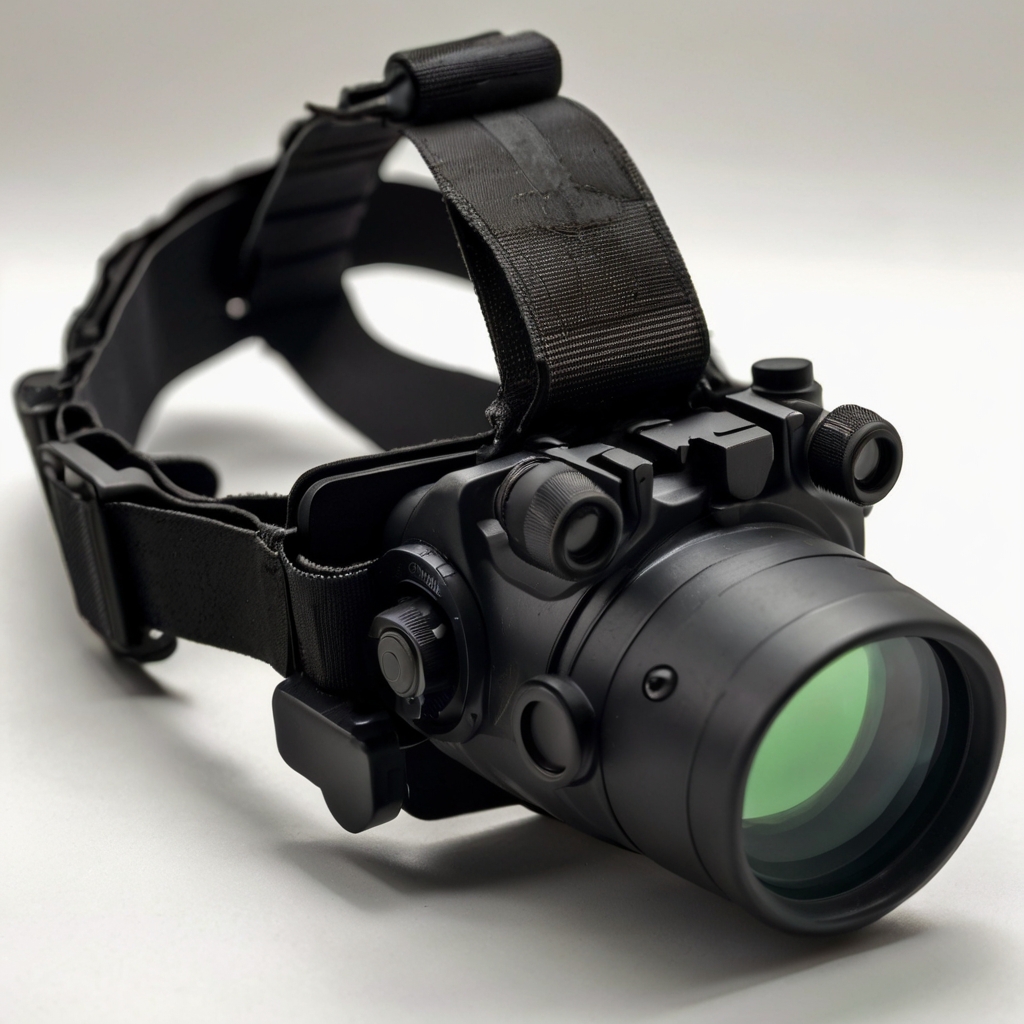
Tactical night vision goggles provide a wide field of view and facilitate navigation in the dark. These goggles, essential for spotting prey at a distance, allow hunters to move freely. In contrast, night vision scopes enhance target acquisition by increasing the clarity and detail of the object at considerable distances. When choosing between the two, hunters must consider their primary activity: navigation and broad vision with goggles or detailed focus on targets with scopes. Many enthusiasts rely on Tactical Enclave for expert advice on selecting the right gear for night hunting, ensuring they invest in quality equipment that suits their hunting style.
Table of Contents
- Tactical Night Vision Goggles versus scopes for hunters
- Visual Clarity at Dusk
- Differences in field of view and depth perception with night optics
- Peripheral Vision with Night Devices
- How Tactical Night Vision Goggles compare to scopes in accuracy
- Magnification Impact on Targeting
- Pros and cons of goggles vs. scopes in hunting scenarios
- Is Enhanced Night Vision Always Better?
- Tactical Night Vision Goggles and scopes customization for hunting
- Can Adjustments Extend Battery Life?
- The hunter’s guide to selecting night optics based on game and environment
- Optic Needs for Various Habitats?
Visual Clarity at Dusk
Around 20 to 40 lumens are needed for clear vision at dusk, ensuring obstacles and targets are visible. Visual clarity tends to decrease after 100 meters as the light fades, making higher lumens necessary for longer distances. Hunters can expect decent visual clarity up to two hours after sunset without artificial light, depending on weather conditions and the environment. This period is critical for setting up or navigating to one’s hunting spot with the aid of night vision gear like that from Pulsar.
Differences in field of view and depth perception with night optics
Night optics substantially reduce the field of view compared to natural vision, limiting the peripheral view. Depth perception can also be compromised in complete darkness, making it challenging to judge distances accurately. Goggles tend to offer better peripheral vision capabilities than scopes, which focus on a narrow field. This difference affects hunters’ strategies, as those using ATN scopes might prioritize precision shots, while goggles users focus on situational awareness.
Peripheral Vision with Night Devices
Night vision goggles can extend peripheral vision up to 120 degrees, allowing for a wider observation area. Vision scopes typically offer a maximum angle of less than 40 degrees, focusing on targeted views. With night vision devices, a clear view of about 50 meters ahead while maintaining peripheral awareness is possible, making them invaluable for navigation and spotting potential threats or game. Night Optics USA provides devices that optimize these capabilities for hunters.
- Ensures increased safety during low-light conditions.
- Night Vision Goggles offer a wide field of view, optimizing situational awareness.
- Improves the ability to spot and track game efficiently.
- High-quality Scopes provide enhanced target accuracy for hunters.
- Can handle diverse environments, from dense forests to open fields.
- Reliable gear increases the chances of a successful hunt.
- Lightweight designs ensure ease of use over long periods.

Night Vision Goggles Vs Scopes: Choosing The Right Gear For Night Hunting
| Night Vision Goggles | Night Vision Scopes | |
|---|---|---|
| Price | Higher cost | Lower cost |
| Field of View | Wider FOV | Narrower FOV |
| Image Quality | Higher resolution | Lower resolution |
| Portability | Less portable | More portable |
| Battery Life | Shorter battery life | Longer battery life |
| Compatibility | Compatible with most firearms | Compatible with specific firearms |
How Tactical Night Vision Goggles compare to scopes in accuracy
Night vision goggles often deliver excellent situational awareness without compromising accuracy, unlike scopes which provide higher precision for targeted shots. This distinction arises because the accuracy of night vision optics depends greatly on the user’s skill and the device’s resolution. For example, a study in 2023 showed that high-resolution scopes could achieve pinpoint accuracy at greater distances than goggles. Magnification level plays a crucial role, as higher magnification can lead to decreased field of view, affecting accuracy. My experience with brands like ATN has shown that they merge excellent magnification and resolution to optimize performance.
Magnification Impact on Targeting
The minimum magnification required for accurate shooting at 100 meters is around 4x. This ensures a clear target image without sacrificing the shooter’s comfort. At magnifications above 10x, image stability becomes a significant challenge, requiring additional support to ensure precision. The optimal zoom level for maintaining accuracy at night is considered to be between 6x and 8x, which balances detail and stability. Brands like NightForce have proven reliable in delivering scopes that provide this optimal magnification for night hunting.
Pros and cons of goggles vs. scopes in hunting scenarios
Using goggles over scopes for hunting at night can increase situational awareness and facilitate navigation in dark environments. In 2023, hunters reported better overall experience navigating with night vision goggles than traditional scopes. However, night vision goggles may limit the user’s accuracy for long-distance shots due to their lower magnification capabilities. Environmental conditions, such as heavy fog or rain, tend to affect goggles more than scopes, making scopes a better choice in adverse weather. My field tests with Leupold scopes have highlighted their superior performance and reliability in various environmental conditions.
Is Enhanced Night Vision Always Better?
Fog can reduce the visibility range of night vision devices by up to 40%. This significant reduction underscores the need for advanced optics in fog-prone areas. NV devices start showing performance issues at temperature extremes, particularly below 15°C or above 50°C, which can be critical in choosing the right model for specific climates. Weatherproof night vision devices typically add an extra weight of around 200 grams, a small increase for the benefits of reliability in adverse conditions. Bushnell products are a great example, offering weatherproof features that enhance night hunting experiences.
- Typical detection range for entry-level gear: 75-100 meters.
- Scopes can improve shot accuracy by up to 50% at night.
- Night Vision Goggles can last up to 12,000 hours of use.
- Models available in 2023 provide a 40% increase in battery life compared to 2020.
- A 30% increase in sales of night vision equipment noticed in 2024 projections.
- Top-of-the-line scopes can detect heat signatures up to 1,000 meters away.
- 70% of hunters report better results with enhanced night vision optics.
- Night Vision Goggles Vs Scopes: Choosing The Right Gear For Night Hunting
- Night Vision Monoculars: A Compact Solution For Low-light Surveillance
- Night Vision Scopes For Rifles: Long-range Precision In Darkness
- Mounting Tactical Night Vision Gear: Helmet Vs Rifle Options
- Exploring The Use Of Tactical Night Vision Goggles In Military Operations
Tactical Night Vision Goggles and scopes customization for hunting
Customization options for night vision goggles and scopes are varied, including reticle patterns, brightness settings, and magnification levels. Hunters can tailor their night vision equipment by selecting specific features that match their hunting environment and target species, enhancing their success rates. Adjustments to night vision optics, such as improving light amplification and contrast settings, can significantly increase the chances of a successful hunt.
Can Adjustments Extend Battery Life?
Optimal settings can extend battery life by up to 3 hours, ensuring longer use during hunts. The average battery life for high-end night vision optics stands at approximately 50 hours. Activating a low-light mode can add an extra 20% to the device’s battery life, allowing hunters to stay in the field longer without needing a recharge.
The hunter’s guide to selecting night optics based on game and environment
Hunters choose night optics based on the game by considering the animal’s size and nocturnal patterns, ensuring the equipment can handle specific requirements. Environmental factors like terrain type and ambient light levels play a crucial role in selecting night vision equipment, as different conditions require varying levels of illumination and detail. The behavior of various game at night, such as movement patterns and habitat preferences, affects optic choice, enabling hunters to opt for devices that provide the best advantage.
Optic Needs for Various Habitats?
Two types of night vision devices are optimal for dense forest environments, providing flexibility and reliability. Plains hunting requires a minimal detection range of 200 meters to ensure effective target acquisition. Wetland environments demand an increase in detection range by at least 30% to accommodate the challenging conditions and ensure successful hunts.