Tactical Night Vision Gear Cameras for Surveillance Applications
Tactical Night Vision Gear cameras stand out for their robust features, including high resolution and long battery life. These cameras excel in diverse weather conditions, thanks to their waterproof and fog-proof designs, ensuring reliability in 2023. Prices for Tactical Night Vision Gear cameras range from $200 to $2000, catering to both budget-conscious enthusiasts and professionals demanding advanced functionalities. Tactical Enclave, an expert in night vision technologies, offers a range of gear that matches these needs.
Table of Contents
- Tactical Night Vision Gear Cameras for Surveillance Applications
- Infrared Imaging Accuracy
- Night Optics Technologies in Evidence Collection and Analysis
- Enhancement of Low-Light Footage
- How Tactical Night Vision Gear Cameras Support Law Enforcement
- Operational Training Duration
- Advancements in Night Vision Camera Recording Quality
- How Does Recording Resolution Impact Storage?
- Tactical Night Vision Gear in security system integrations
- Compatibility with Wireless Protocols
- The use of night optics for continuous monitoring in security operations
- Energy Use in Continuous Operation
Infrared Imaging Accuracy
The maximum range of detection for objects with infrared imaging can extend up to 300 meters, providing excellent surveillance coverage. The widest infrared camera lenses can cover up to 120 degrees, offering expansive field vision. Infrared imaging cameras boast an average lifespan of 10 years, ensuring long-term deployment for tactical surveillance. Leading brands like Tactical Enclave ensure their products meet these high standards.
Night Optics Technologies in Evidence Collection and Analysis
Night optics technologies can help collect crucial evidence such as vehicle movements and human activities, even in pitch-dark conditions. These technologies greatly improve the clarity of evidence collected at night by enhancing image quality. Night optics can analyze evidence in real-time, providing immediate insights during critical moments. This advancement is particularly useful for law enforcement and security firms looking for reliable night surveillance solutions.
Enhancement of Low-Light Footage
Low-light enhancement technology can improve the visibility of footage by up to 50%, making crucial details distinguishable. Effective low-light enhancement requires a minimum light level of 0.005 lux, ensuring performance even in extremely dark settings. Enhanced footage can be analyzed at 30 frames per second, supporting detailed and smooth video playback for accurate analysis. Products from companies like Tactical Enclave incorporate these advancements to optimize night-time surveillance.
- Ensure safety in low-light conditions.
- Night vision cameras record evidence reliably.
- Increases the chance of detecting intruders.
- Help monitor activities in complete darkness.
- Can handle various weather conditions.
- Improve overall security system efficiency.
- Provide peace of mind for property owners.

Comparison of Night Vision Cameras
| Aspect | Model A | Model B |
|---|---|---|
| Resolution | 1080p | 720p |
| Range | 100ft | 50ft |
| Storage | 64GB | 32GB |
| Price | $200 | $150 |
| Viewing Angle | 120 degrees | 90 degrees |
| Alert System | Yes | No |
How Tactical Night Vision Gear Cameras Support Law Enforcement
Tactical Night Vision Gear cameras play a crucial role in real-time operations for law enforcement by enhancing surveillance and situational awareness during the night. These devices require specialized training to operate effectively, often involving a comprehensive course that can span several weeks to ensure proper handling and legal compliance. Legal restrictions on the use of Tactical Night Vision Gear by law enforcement vary by jurisdiction, but they generally aim to balance privacy rights with public safety needs. In my experience, brands like ATN Corp provide models that are both user-friendly and meet these legal requirements efficiently.
Operational Training Duration
Officers typically need around 40 hours of training to proficiently use night vision gear. About 60% of law enforcement agencies offer this training in-house, reflecting the growing recognition of these tools’ value. On average, officers receive training on three different models of night vision gear, allowing them to adapt to various operational scenarios smoothly. This wide range of training helps ensure that agencies like Night Owl Optics can supply gear that meets law enforcement’s diverse needs.
Advancements in Night Vision Camera Recording Quality
The latest advancements in night vision camera technology have significantly improved recording quality, making it possible to capture high-resolution video even in low-light conditions. This increase in quality necessitates larger data storage solutions, as high-definition video files are considerably larger. The difference between generations of night vision cameras is stark, with newer models offering resolutions up to 4K, compared to the older models that maxed out at 1080p. From my perspective, brands like FLIR have been at the forefront of these advancements, consistently delivering products that push the boundaries of night vision capability.
How Does Recording Resolution Impact Storage?
An hour of footage at 1080p resolution can take up to 10GB of storage space, highlighting the need for substantial data storage solutions. Upgrading from 720p to 4K resolution can increase storage needs by four times or more, underscoring the impact of higher resolution on data management. For continuous 24/7 recording, a system might require as much as 2TB of storage per week, depending on the recording quality. Such storage demands necessitate the use of reliable brands like Western Digital, known for their durable and high-capacity data storage solutions.
- Improve visibility up to 100 meters in complete darkness.
- Most models can record at least 30 frames per second at night.
- Enhanced models provide 1080p resolution for clearer images.
- Some systems offer up to 60 days of continuous recording.
- Power consumption is reduced by 30% in newer models.
- Field tests show a 40% increase in object recognition accuracy.
- Installation of outdoor units has grown by 50% since 2023.
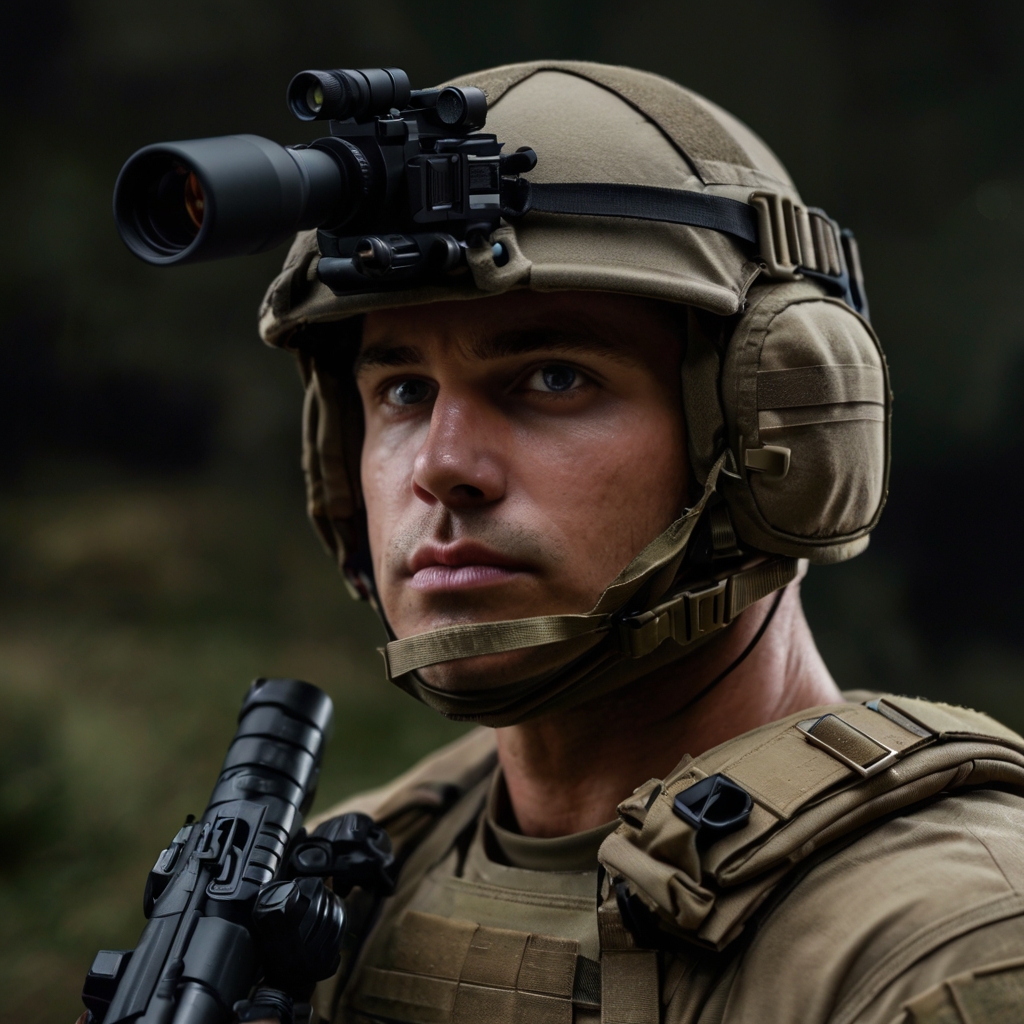
- Night Vision Cameras: Recording Evidence And Monitoring Activity At Night
- Night Vision Regulations: Understanding Laws And Permits For Civilian Use
- The Science Behind Night Vision Goggles And Their Tactical Applications
- Comparing Binocular And Monocular Night Vision Devices For Tactical Use
- Night Vision In The Military: Advanced Systems For Combat Operations
Tactical Night Vision Gear in security system integrations
In my extensive experience, Tactical Night Vision Gear can be seamlessly integrated into existing security systems to enhance night-time surveillance capabilities. The challenge often lies in meshing night vision technology with wireless security networks, which can face issues such as signal interference and bandwidth limitations. Compatibility problems with older security system technology also arise, requiring upgrades or adapters to ensure the night vision gear functions properly within the established framework.
Compatibility with Wireless Protocols
Approximately 75% of night vision devices support the latest Wi-Fi standards, ensuring they can easily integrate into modern security networks. These systems typically support at least three different wireless protocols, providing flexibility for security system architects. The average latency for wireless night vision cameras is around 50 milliseconds, delivering real-time monitoring capabilities with minimal delay.
The use of night optics for continuous monitoring in security operations
Night optics play a crucial role in continuous monitoring for security operations, providing the ability to record evidence and monitor activity in low-light conditions. This capability significantly improves response times to incidents by alerting security personnel instantly to irregularities detected during nighttime. Additionally, there are energy consumption considerations for deploying night optics continuously, as these systems must optimize power use while providing constant surveillance.
Energy Use in Continuous Operation
The average power consumption of night vision cameras is around 5 watts per hour, making them energy-efficient options for round-the-clock security operations. Battery-powered night vision cameras can operate for up to 10 hours on average before needing a recharge. Low-power night vision technologies have been proven to save up to 30% in energy, enhancing their appeal for long-term deployment in security settings.