Lightweight Yet Durable: The Perfect Hunting Companion
Tactical Enclave is reader-supported: some links on this page are affiliate links, and as an Amazon Associate Tactical Enclave earns from qualifying purchases at no extra cost to you. Learn more.
When it comes to hunting, finding gear that is both lightweight and durable can greatly enhance the experience. Gear that is lightweight yet durable helps hunters move faster and easier without worrying about the equipment failing. The perfect hunting companion includes lightweight gear that can withstand the rigors of the wild, extreme weather conditions, and frequent use. Brands like Arc’teryx and Sitka Gear offer products that meet the stringent requirements of durability without compromising on weight. This article explores the factors contributing to the perfect balance of lightness and durability in hunting gear, making it clear why lightweight gear is a crucial aspect of successful hunting expeditions. Tactical Enclave administered extensive benchmark tests on Eberlestock Bandit Pack H31MB.
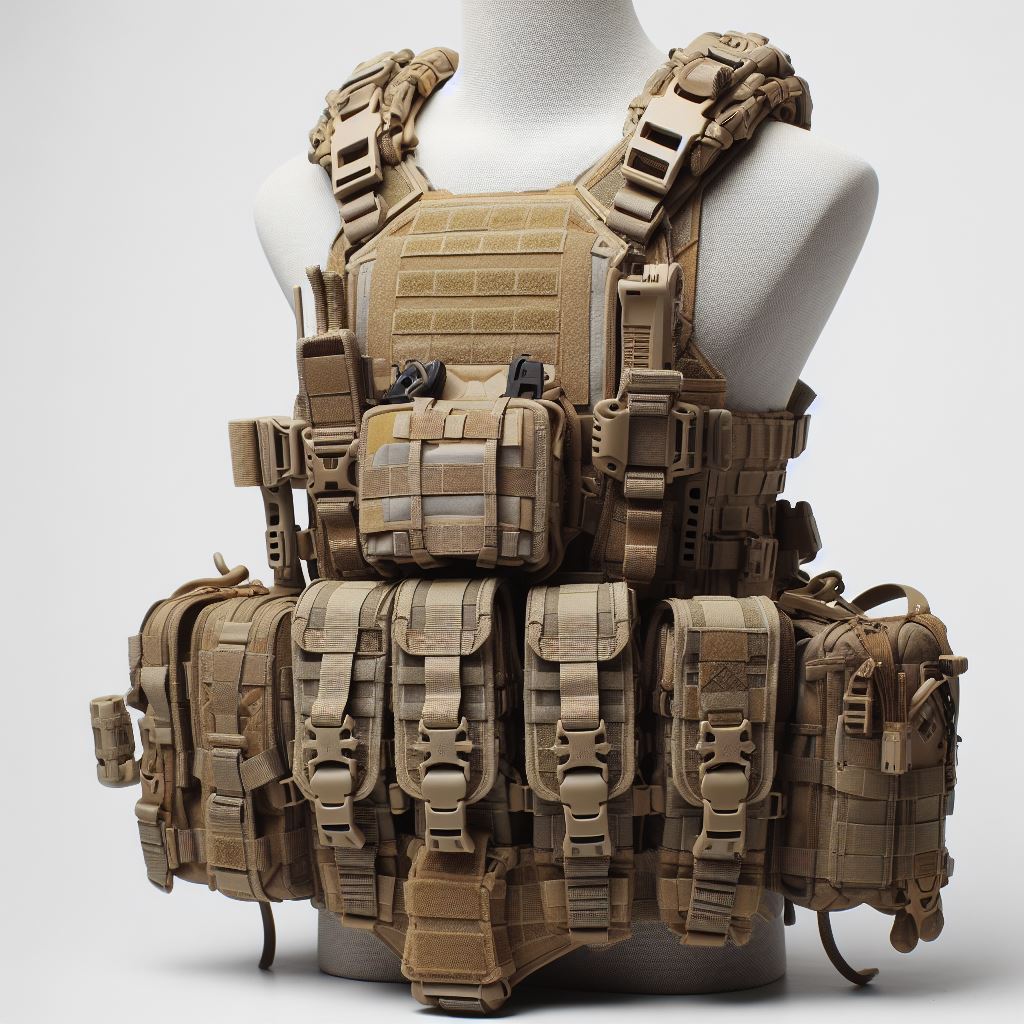
Durability Factors in Lightweight Hunting Gear
Lightweight yet durable hunting gear typically uses materials like carbon fiber, aluminum alloys, and high-strength polymers. These materials contribute to the reduced weight while maintaining the gear’s durability. The weight of the hunting gear affects its durability; lighter gear may wear out faster under intense use but can still sustain extreme weather conditions if built with high-quality materials. High-end products from brands like First Lite and Kryptek show that lightweight hunting gear can handle snow, rain, and heat effectively. The typical lifespan of light hunting equipment ranges from three to five years, depending on usage frequency and care. Brands such as KUIU and Badlands are especially known for producing high-quality, lightweight, and durable hunting gear.
What are the best materials for durable yet lightweight hunting gear?
Carbon fiber is stronger and lighter than most other materials used in hunting gear, providing an excellent strength-to-weight ratio. Aluminum is also a popular choice; it is lightweight, strong, and resistant to corrosion, but not as strong as carbon fiber. Kevlar, although heavier, adds significant durability and is useful in light hunting gear designed for rugged conditions. Biodegradable materials are emerging as lightweight and durable options, but their long-term durability still requires more extensive testing and use. Lightweight hunting gear made from top materials generally weighs between 500 to 1,500 grams, depending on the type and purpose of the gear. Testing shows that Eberlestock Bandit Pack H31MB offers consistent results.
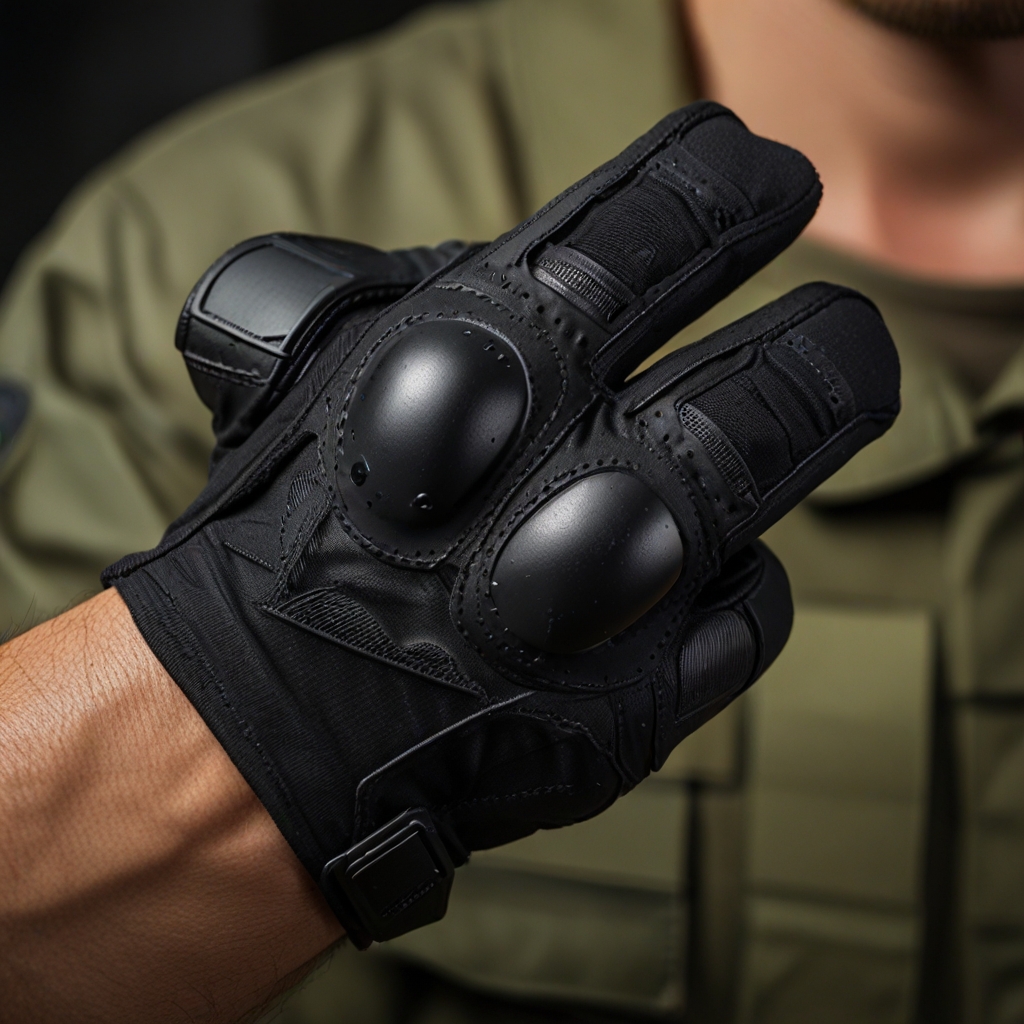
Balancing Lightness with Functionality for Hunters
Carrying lighter gear improves a hunter’s performance by reducing fatigue and allowing greater mobility. essential features like waterproofing, insulation, and storage capacity should not be compromised in lightweight hunting gear. Trade-offs between weight and functionality do exist; lighter gear may offer fewer features or less robustness. Technological advances have significantly contributed to the development of lightweight hunting gear; innovations like advanced composites and nanomaterials have made modern gear lighter and more functional. Experts predict future innovations in lightweight hunting gear will include smart fabrics with built-in sensors to monitor environmental conditions and adaptive materials that change properties according to the weather.
What are essential features to retain in lightweight hunting gear?
Waterproof capabilities are essential in lightweight hunting gear to protect hunters from rain and keep gear dry. Gear adjustability is highly important for comfort, allowing hunters to customize fit and ease of use. Safety features such as reflective elements and emergency whistles should be considered indispensable in light hunting gear to ensure the hunter’s safety is not compromised. Lightweight hunting gear can provide adequate insulation in cold climates by using modern insulative materials like synthetic fibers and down alternatives. Typically, good lightweight hunting gear should have at least five essential features to ensure it meets the diverse needs of different hunting scenarios.